EN
EN



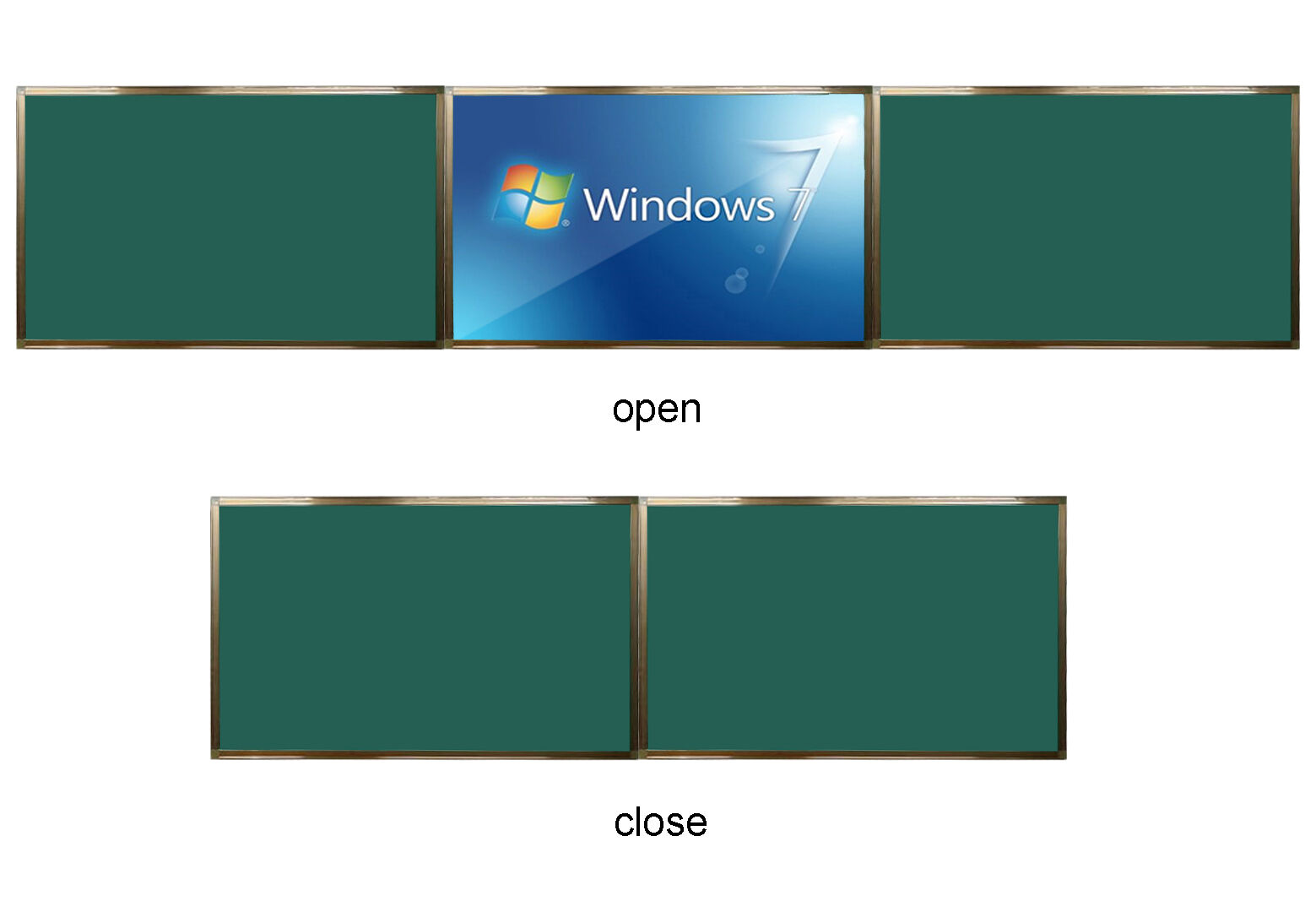
In an era dominated by digital whiteboards and interactive displays, the traditional school chalkboard continues to hold its ground as an indispensable classroom tool. Despite technological advances, educators worldwide recognize that a school chalkboard offers unique advantages that modern alternatives cannot fully replicate. The tactile experience, cost-effectiveness, and proven pedagogical benefits make the school chalkboard an enduring fixture in educational environments. From elementary schools to universities, the familiar green or black surface remains a cornerstone of effective teaching methodology.
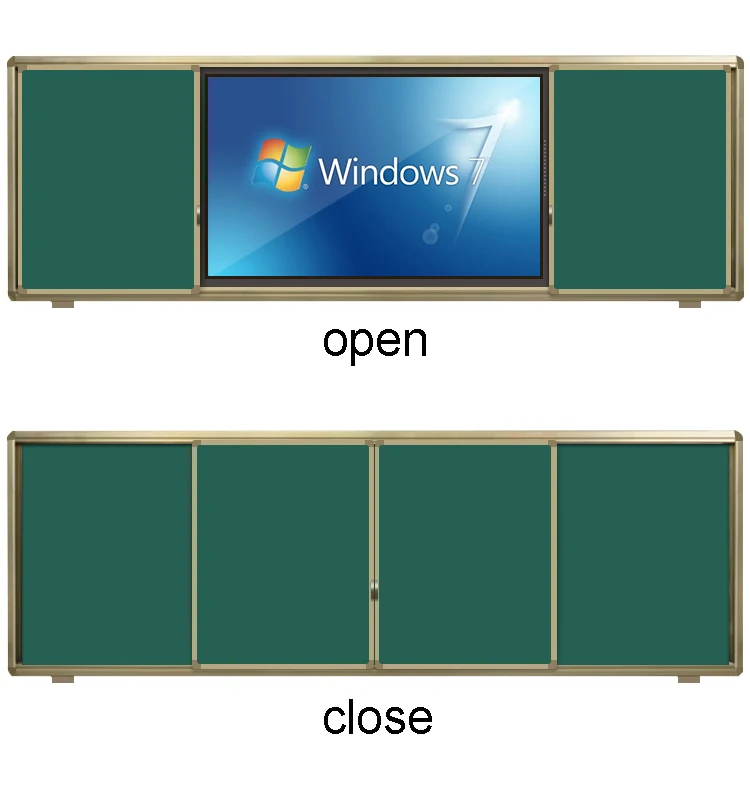
Historical Significance and Educational Evolution
The Origins of Classroom Writing Surfaces
The concept of a shared writing surface for educational purposes dates back centuries, with early forms appearing in Scottish schools during the 18th century. Initially, students used individual slate boards, which evolved into larger wall-mounted surfaces that became the precursor to the modern school chalkboard. This evolution marked a revolutionary shift in teaching methodology, allowing instructors to present information to entire classes simultaneously rather than working with students individually.
The transition from individual slates to communal classroom boards transformed educational dynamics fundamentally. Teachers gained the ability to demonstrate complex concepts visually while maintaining eye contact with students, fostering better engagement and comprehension. The school chalkboard became a central focal point that unified classroom attention and created a shared learning experience that remains valuable today.
Adoption Across Global Educational Systems
Throughout the 19th and 20th centuries, the school chalkboard became ubiquitous in educational institutions worldwide. Different regions adapted the basic concept to suit local materials and preferences, with some favoring dark slate surfaces while others opted for lighter alternatives. The standardization of chalk manufacturing further solidified the school chalkboard's position as the primary classroom writing tool.
Educational systems across diverse cultures embraced the school chalkboard for its simplicity and effectiveness. From rural one-room schoolhouses to urban educational complexes, the consistent presence of chalkboards created a universal language of instruction that transcended geographical and cultural boundaries. This widespread adoption established teaching practices and methodologies that continue to influence modern pedagogy.
Cognitive and Learning Benefits
Enhanced Memory Retention Through Kinesthetic Learning
Research in educational psychology demonstrates that the physical act of writing on a school chalkboard engages multiple sensory pathways simultaneously. The tactile feedback of chalk against the board surface, combined with the visual representation of information, creates a multi-modal learning experience that enhances memory consolidation. Students observing teachers write on a school chalkboard process information through both visual and auditory channels as they hear the chalk's distinctive sound.
The kinesthetic component of chalkboard writing provides cognitive benefits that digital alternatives struggle to replicate. When teachers engage with a school chalkboard, their hand movements create a natural pacing that allows students to follow complex explanations more easily. This deliberate pace gives learners time to process information incrementally, reducing cognitive overload and improving understanding.
Visual Learning and Spatial Organization
The expansive surface of a school chalkboard enables teachers to organize information spatially in ways that support visual learners. Complex diagrams, mathematical equations, and conceptual maps can be developed progressively, allowing students to see relationships between different elements as they emerge. This spatial organization helps students understand hierarchical relationships and logical progressions that might be less apparent in digital presentations.
Visual learners particularly benefit from the persistent nature of information displayed on a school chalkboard. Unlike digital displays that change rapidly, chalkboard content remains visible throughout lessons, allowing students to refer back to earlier concepts and make connections between different parts of the instruction. This visual continuity supports better comprehension and retention of complex subject matter.
Practical Advantages in Modern Classrooms
Cost-Effectiveness and Maintenance Simplicity
The economic advantages of maintaining a school chalkboard system are substantial compared to digital alternatives. Initial installation costs are minimal, and ongoing maintenance requires only periodic cleaning and occasional resurfacing. Unlike interactive whiteboards or smart displays that require software updates, technical support, and eventual replacement, a school chalkboard can function effectively for decades with minimal intervention.
Budget-conscious educational institutions find that school chalkboard systems offer exceptional value over time. The absence of licensing fees, compatibility issues, or technical obsolescence makes chalkboards particularly attractive for schools operating with limited resources. Maintenance staff can easily address minor repairs or cleaning requirements without specialized training or expensive replacement parts.
Reliability and Consistency
The inherent reliability of a school chalkboard system eliminates many variables that can disrupt classroom instruction. Power outages, software glitches, or hardware failures cannot render a chalkboard unusable, ensuring consistent availability for teaching activities. This reliability proves especially valuable in regions with unstable electrical infrastructure or limited technical support resources.
Teachers appreciate the predictable performance characteristics of a school chalkboard, knowing they can depend on this tool regardless of external circumstances. The simplicity of operation requires no special training or troubleshooting skills, allowing educators to focus on instruction rather than technology management. This consistency supports smoother lesson delivery and reduces classroom disruptions.
Environmental Considerations and Sustainability
Eco-Friendly Material Composition
Modern school chalkboard construction often incorporates sustainable materials and manufacturing processes that minimize environmental impact. Many manufacturers now produce slate alternatives using recycled content and low-emission production methods. The longevity of a well-maintained school chalkboard reduces the need for frequent replacements, contributing to reduced waste generation over time.
The chalk used with traditional school chalkboard systems is typically composed of natural calcium carbonate, making it biodegradable and environmentally benign. This contrasts favorably with electronic alternatives that require rare earth minerals, complex manufacturing processes, and eventual electronic waste disposal. The environmental footprint of a school chalkboard remains minimal throughout its extended service life.
Energy Independence and Carbon Footprint
Operating a school chalkboard requires no electrical power consumption, contributing to reduced energy costs and lower carbon emissions for educational facilities. In an era of increasing environmental consciousness, this energy independence represents a significant sustainability advantage. Schools committed to reducing their environmental impact find that maintaining traditional chalkboard systems aligns with green building initiatives and carbon reduction goals.
The absence of electronic components in school chalkboard systems eliminates concerns about electromagnetic emissions, heat generation, or disposal of hazardous materials. This simplicity supports healthier classroom environments while reducing the institution's overall environmental impact throughout the product lifecycle.
Integration with Modern Teaching Methods
Hybrid Learning Approaches
Contemporary educators increasingly recognize that effective instruction benefits from combining traditional and modern teaching tools rather than replacing one with another entirely. A school chalkboard serves as an excellent complement to digital resources, providing a stable reference surface while electronic devices handle dynamic content. This hybrid approach leverages the strengths of each medium to create more comprehensive learning experiences.
The flexibility of a school chalkboard allows teachers to seamlessly transition between different instructional modes during single lessons. Important concepts can be preserved on the chalkboard while supplementary materials are displayed electronically, giving students multiple reference points and supporting diverse learning preferences. This integration strategy maximizes educational effectiveness while maintaining familiar instructional anchors.
Collaborative Learning Facilitation
Group activities and collaborative problem-solving exercises benefit significantly from the communal nature of school chalkboard interaction. Students can work together at the board surface, sharing ideas and building on each other's contributions in real-time. This physical collaboration fosters team-building skills and encourages active participation that virtual alternatives may not fully replicate.
The large writing surface of a school chalkboard accommodates multiple students working simultaneously, supporting peer-to-peer learning and cooperative problem-solving strategies. Teachers can orchestrate complex group activities where different teams develop solutions in parallel, creating dynamic learning experiences that engage kinesthetic and social learners effectively.
FAQ
How does chalk dust affect classroom air quality and student health
Modern dustless chalk formulations have significantly reduced concerns about airborne particles in classrooms equipped with school chalkboard systems. These improved chalk compositions bind particles more effectively, minimizing dust generation during normal use. Additionally, proper ventilation systems and regular cleaning protocols can further mitigate any potential air quality impacts, ensuring healthy classroom environments.
Can school chalkboards accommodate students with visual impairments or learning disabilities
School chalkboard systems can be adapted to support diverse learning needs through various accessibility modifications. High-contrast chalk colors, enhanced lighting systems, and strategic positioning can improve visibility for students with visual challenges. Additionally, the tactile nature of chalkboard interaction provides valuable kinesthetic feedback that benefits students with certain learning disabilities, particularly when combined with appropriate instructional techniques.
What maintenance practices ensure optimal school chalkboard performance over time
Regular maintenance of a school chalkboard involves daily cleaning with appropriate erasers, weekly deep cleaning with slightly damp cloths, and periodic conditioning treatments to maintain surface quality. Avoiding abrasive cleaning materials and ensuring proper chalk storage helps preserve writing surface integrity. Professional resurfacing services can restore heavily used boards, extending their functional lifespan significantly beyond initial installation.
How do school chalkboards compare to whiteboards in terms of writing quality and visibility
School chalkboard systems offer several advantages over whiteboards, including superior contrast ratios that enhance visibility from various classroom positions and lighting conditions. Chalk creates consistent line weights and opacity that remain clearly visible even from distance, while whiteboard markers can vary in intensity and may fade over time. Additionally, chalk writing provides better tactile feedback, supporting more controlled and legible handwriting compared to marker-based alternatives.
Table of Contents
- Historical Significance and Educational Evolution
- Cognitive and Learning Benefits
- Practical Advantages in Modern Classrooms
- Environmental Considerations and Sustainability
- Integration with Modern Teaching Methods
-
FAQ
- How does chalk dust affect classroom air quality and student health
- Can school chalkboards accommodate students with visual impairments or learning disabilities
- What maintenance practices ensure optimal school chalkboard performance over time
- How do school chalkboards compare to whiteboards in terms of writing quality and visibility