EN
EN



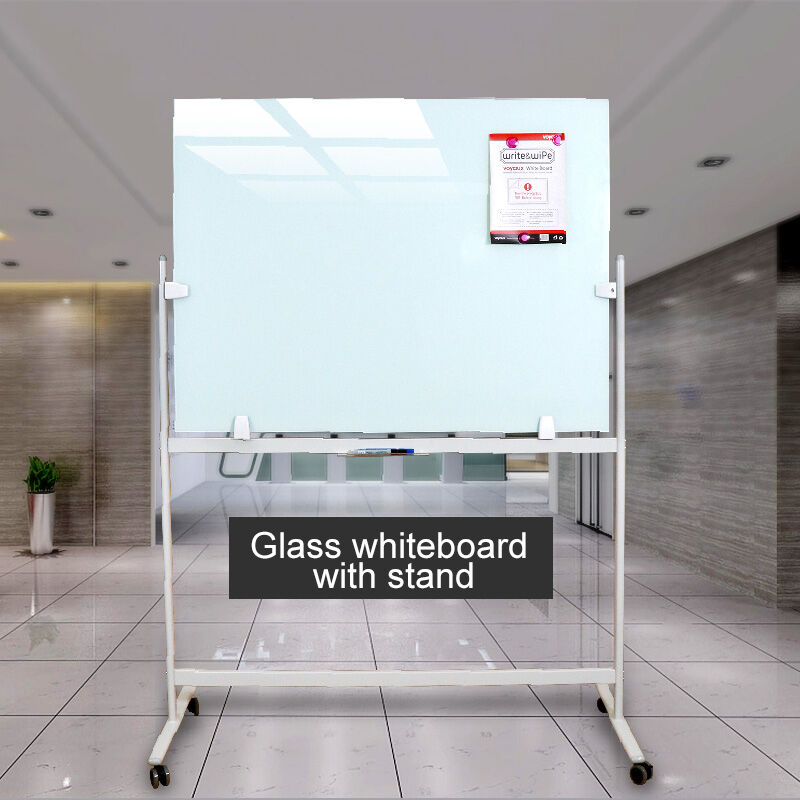
The traditional chalkboard remains one of the most enduring and effective educational tools in classrooms worldwide. Despite the digital revolution transforming modern education, the chalkboard continues to foster interactive learning environments that promote student engagement and teacher creativity. This time-tested instructional medium offers unique advantages that digital alternatives struggle to replicate, making it an essential component of hands-on pedagogy. Educational institutions across the globe recognize the value of maintaining chalkboard systems alongside modern technology to create balanced learning environments that cater to diverse learning styles and educational needs.
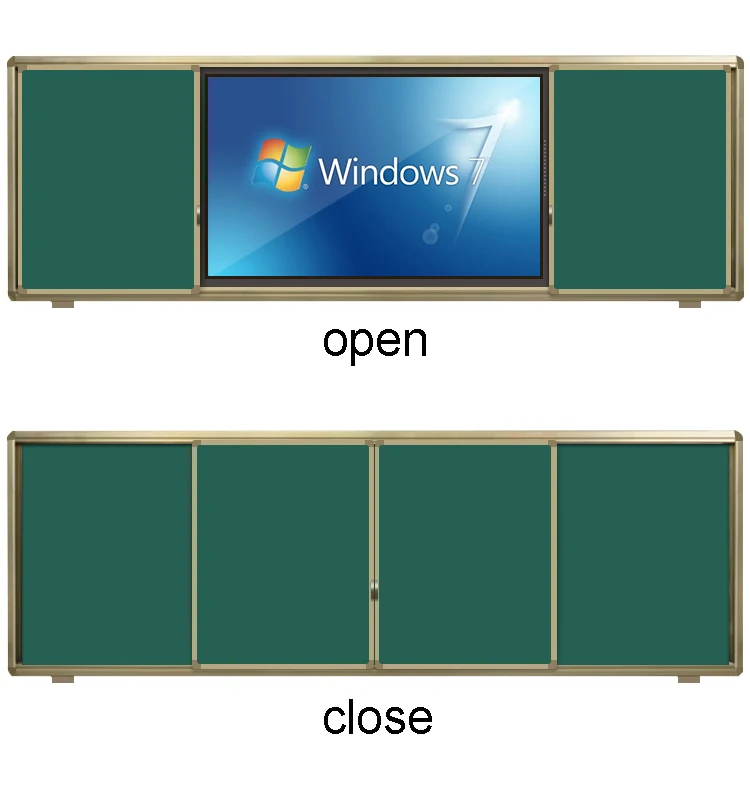
Tactile Learning Benefits of Traditional Chalkboards
Physical Interaction Enhances Memory Retention
The physical act of writing on a chalkboard creates a multisensory learning experience that significantly enhances information retention. Students who participate in chalkboard activities engage their kinesthetic learning pathways, which research demonstrates improves long-term memory formation. The resistance felt when writing with chalk, combined with the auditory feedback of chalk against the board surface, creates neural connections that strengthen learning outcomes. This tactile experience cannot be replicated through digital interfaces, making the chalkboard an irreplaceable tool for kinesthetic learners who benefit from physical manipulation of learning materials.
Educational psychology studies consistently show that students who physically write information demonstrate superior recall compared to those who type or observe passively. The chalkboard facilitates this active participation by encouraging students to approach the board, take ownership of their learning, and physically engage with the material. This hands-on approach transforms abstract concepts into concrete experiences, particularly beneficial for subjects requiring spatial reasoning, mathematical problem-solving, and creative expression.
Motor Skill Development Through Chalk Writing
Regular use of chalkboards contributes significantly to fine motor skill development, particularly in younger students still developing their writing abilities. The larger surface area and increased resistance of chalk writing help students develop proper grip, arm movement, and letter formation techniques. These fundamental skills transfer directly to paper-based writing tasks, creating a strong foundation for academic success. The chalkboard serves as an intermediate step between large motor activities and precise fine motor tasks required for traditional writing.
Teachers often observe improved handwriting quality and spatial awareness in students who regularly practice on chalkboards. The vertical writing surface promotes proper posture and arm positioning, while the temporary nature of chalk writing reduces anxiety about making mistakes. This supportive environment encourages experimentation and risk-taking, essential components of effective learning processes that build confidence and competence simultaneously.
Interactive Teaching Methodologies Using Chalkboards
Collaborative Problem-Solving Approaches
The chalkboard excels as a platform for collaborative learning activities that bring students together to solve complex problems. Teachers can divide the board into sections, assigning different groups to work simultaneously on related challenges while maintaining visibility for peer learning and cross-pollination of ideas. This collaborative approach transforms the classroom into an active learning laboratory where students learn from each other while developing critical thinking skills through shared exploration and discovery.
Mathematical problem-solving sessions become particularly effective when conducted on chalkboards, as students can work through multi-step processes while maintaining visibility of their reasoning for classmates to follow and critique. The erasable nature of chalk allows for real-time corrections and modifications without the permanence that might inhibit creative thinking. Students develop confidence in their problem-solving abilities while learning to accept constructive feedback from peers and instructors.
Real-Time Concept Visualization
The chalkboard provides unmatched flexibility for spontaneous concept visualization and diagram creation during instruction. Teachers can respond immediately to student questions by illustrating complex relationships, drawing connections between ideas, and creating visual representations that enhance understanding. This responsive teaching capability allows educators to adapt their instruction in real-time based on student needs and comprehension levels, creating truly personalized learning experiences.
Scientific concepts, historical timelines, and literary analysis benefit tremendously from the dynamic visualization capabilities of chalkboards. Teachers can build diagrams progressively, adding layers of complexity as student understanding develops. This scaffolded approach to visual learning helps students grasp abstract concepts by connecting them to concrete visual representations that can be modified and expanded throughout the lesson.
Cognitive Development Through Chalkboard Activities
Spatial Reasoning Enhancement
Regular chalkboard use significantly improves students' spatial reasoning abilities, a critical skill set that extends far beyond classroom applications. The large vertical surface requires students to think three-dimensionally about space, proportions, and relationships between objects or ideas. Geometric concepts become more accessible when students can manipulate shapes and angles on the expansive chalkboard surface, developing intuitive understanding through hands-on exploration and experimentation.
Art education particularly benefits from chalkboard activities, as students learn about composition, perspective, and scale through direct manipulation of visual elements. The forgiving nature of chalk allows for continuous refinement and adjustment, encouraging artistic experimentation without fear of permanent mistakes. These spatial skills transfer to numerous academic and professional areas, including engineering, architecture, mathematics, and scientific research, making chalkboard-based spatial training invaluable for long-term academic success.
Sequential Thinking and Process Documentation
The chalkboard serves as an excellent medium for developing sequential thinking skills through step-by-step problem documentation and process visualization. Students learn to organize their thoughts logically, present information coherently, and follow systematic approaches to complex challenges. This structured thinking development proves invaluable across all academic disciplines and professional endeavors, as it teaches students to break down complex problems into manageable components.
Scientific method instruction becomes more effective when conducted on chalkboards, as students can document their hypotheses, observations, and conclusions in a format that promotes peer review and collaborative analysis. The public nature of chalkboard work encourages accountability and precision in thinking, as students know their reasoning will be visible to classmates and subject to scrutiny and discussion.
Traditional versus Modern Educational Tools
Reliability and Accessibility Advantages
The chalkboard offers unparalleled reliability in educational settings, functioning consistently without dependence on electricity, internet connectivity, or complex technical systems. This independence from technology ensures uninterrupted learning experiences, particularly valuable in environments where technical resources may be limited or unreliable. Educational continuity remains preserved regardless of power outages, equipment failures, or budget constraints that might affect digital alternatives.
Cost-effectiveness represents another significant advantage of chalkboard systems, requiring minimal ongoing maintenance and providing decades of reliable service with proper care. Unlike digital systems requiring regular updates, licensing fees, and hardware replacements, the chalkboard offers sustainable educational technology that remains accessible to institutions regardless of economic fluctuations or budget limitations. This accessibility ensures educational equity across diverse socioeconomic environments.
Complementary Technology Integration
Modern educational approaches recognize the value of combining traditional chalkboard instruction with contemporary digital tools to create comprehensive learning environments. The chalkboard serves as an anchor point for tactile learning while digital resources provide supplementary multimedia content and research capabilities. This blended approach maximizes the strengths of both traditional and modern educational technologies while minimizing their individual limitations.
Progressive educators integrate chalkboard activities with digital documentation, photographing student work for portfolio development and allowing for reflection on learning processes over time. This integration preserves the hands-on benefits of chalkboard use while leveraging technology for assessment, documentation, and extended learning opportunities that extend beyond the classroom environment.
Psychological Impact of Hands-On Learning
Confidence Building Through Public Participation
The chalkboard creates unique opportunities for students to develop confidence through public participation in learning activities. Working at the board requires students to take intellectual risks in front of their peers, building resilience and self-assurance that transfers to other academic and social situations. This public engagement helps students overcome fear of making mistakes and develops the courage to express ideas openly and defend their reasoning under scrutiny.
Teachers observe significant improvements in student self-efficacy when chalkboard participation becomes a regular classroom practice. Students who initially hesitate to contribute verbally often find their voice through chalkboard activities, discovering that their ideas have value and merit consideration by their peers. This confidence development creates positive feedback loops that enhance overall academic performance and social integration within the classroom community.
Stress Reduction Through Tactile Engagement
The physical act of writing on a chalkboard provides therapeutic benefits that reduce academic stress and anxiety. The rhythmic motion of chalk application, combined with the immediate visual feedback of emerging text or drawings, creates a meditative quality that calms nervous students and promotes focused attention. This stress-reducing aspect of chalkboard use proves particularly beneficial during high-pressure situations such as problem-solving sessions or presentation activities.
Research in educational psychology demonstrates that tactile engagement activates different neural pathways than purely cognitive activities, providing alternative routes to learning success for students who struggle with traditional academic approaches. The chalkboard offers these students an opportunity to excel through kinesthetic engagement, building positive associations with learning that enhance their overall educational experience and academic motivation.
FAQ
How does chalkboard use improve student engagement compared to digital alternatives
Chalkboard use significantly enhances student engagement through multisensory learning experiences that combine visual, auditory, and kinesthetic elements. Unlike passive digital consumption, chalkboard activities require active participation, physical movement, and collaborative interaction that keeps students mentally and physically involved in the learning process. The tactile feedback and immediate visual results create satisfaction and accomplishment that digital interfaces cannot replicate, leading to sustained attention and deeper learning engagement.
What specific motor skills do students develop through regular chalkboard practice
Regular chalkboard practice develops fine motor control, hand-eye coordination, spatial awareness, and proper writing posture. Students strengthen their grip control, learn appropriate pressure application, and develop smooth arm movements essential for effective writing. The vertical surface promotes correct body positioning and arm extension, while the larger writing space helps students develop letter formation skills and spatial relationships that transfer to paper-based writing tasks and artistic endeavors.
How can teachers effectively integrate chalkboards with modern classroom technology
Effective integration involves using chalkboards for hands-on activities, collaborative problem-solving, and concept visualization while employing digital tools for research, multimedia presentations, and documentation. Teachers can photograph chalkboard work for digital portfolios, combine chalkboard brainstorming with online research projects, and use traditional board work as preparation for digital presentations. This blended approach maximizes the tactile benefits of chalkboard use while leveraging technology for enhanced learning opportunities and assessment capabilities.
What educational subjects benefit most from chalkboard-based instruction methods
Mathematics, science, art, and language arts particularly benefit from chalkboard instruction due to their need for sequential problem-solving, diagram creation, and creative expression. Mathematical concepts become clearer through step-by-step problem documentation, scientific processes benefit from real-time diagram development, artistic skills improve through large-scale practice opportunities, and language learning advances through collaborative writing and grammar exercises. However, virtually all subjects can incorporate chalkboard activities to enhance student engagement and understanding through hands-on learning approaches.
Table of Contents
- Tactile Learning Benefits of Traditional Chalkboards
- Interactive Teaching Methodologies Using Chalkboards
- Cognitive Development Through Chalkboard Activities
- Traditional versus Modern Educational Tools
- Psychological Impact of Hands-On Learning
-
FAQ
- How does chalkboard use improve student engagement compared to digital alternatives
- What specific motor skills do students develop through regular chalkboard practice
- How can teachers effectively integrate chalkboards with modern classroom technology
- What educational subjects benefit most from chalkboard-based instruction methods