EN
EN



Modern educational environments demand versatile teaching tools that can adapt to various instructional needs while maintaining the classic reliability educators trust. A sliding chalkboard represents the perfect fusion of traditional teaching methods with contemporary classroom flexibility, offering educators an expandable writing surface that transforms how lessons are delivered and received.
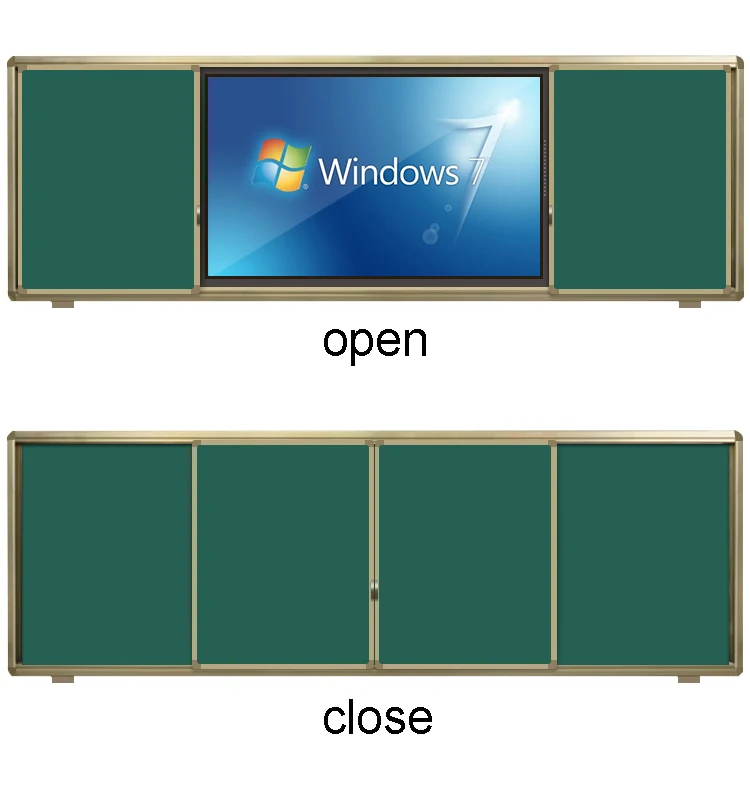
Educational institutions worldwide are rediscovering the value of sliding chalkboard systems as they provide unmatched durability, cost-effectiveness, and pedagogical advantages that digital alternatives cannot replicate. These innovative writing surfaces enable teachers to seamlessly expand their presentation area while maintaining the tactile connection between educator and content that enhances learning retention and engagement.
Enhanced Teaching Flexibility and Space Management
Maximizing Classroom Writing Surface
The fundamental advantage of a sliding chalkboard lies in its ability to dramatically increase available writing space without requiring additional wall area. Traditional fixed boards limit teachers to a single static surface, but sliding mechanisms allow educators to reveal fresh writing areas while preserving previous content for reference throughout the lesson.
This expanded surface area proves invaluable during complex mathematical demonstrations, scientific explanations, or language lessons where multiple concepts require simultaneous visibility. Teachers can develop ideas progressively across multiple panels while maintaining visual connections between related topics, creating a more cohesive learning experience.
The sliding functionality also enables strategic content revelation, allowing instructors to build suspense and maintain student attention by gradually exposing new information. This controlled disclosure technique enhances pedagogical effectiveness by preventing cognitive overload while ensuring students remain engaged throughout the entire lesson.
Adaptive Classroom Configurations
Modern sliding chalkboard systems accommodate various teaching styles and classroom layouts through their flexible positioning capabilities. Educators can adjust panel positions to create optimal viewing angles for different student seating arrangements, ensuring every learner has clear sight lines to the instructional content.
The adaptability extends beyond physical positioning to include content organization strategies. Teachers can dedicate specific panels to different subjects, ongoing projects, or student work displays, creating organized learning zones that support multiple simultaneous activities within a single classroom environment.
This configurability proves especially valuable in multi-purpose educational spaces where rooms serve various functions throughout the day. The sliding chalkboard can be adjusted to support morning lectures, afternoon collaborative sessions, and evening community events without requiring time-consuming setup changes.
Superior Durability and Maintenance Advantages
Long-term Investment Value
Unlike digital displays or interactive whiteboards that require regular software updates and electronic maintenance, a sliding chalkboard operates through simple mechanical principles that ensure decades of reliable service. The absence of complex electronic components eliminates the risk of technical failures that can disrupt critical teaching moments.
Quality sliding chalkboard systems feature robust track mechanisms and durable writing surfaces that withstand heavy daily use without degradation. The mechanical simplicity means maintenance requirements consist primarily of routine cleaning and occasional track lubrication, significantly reducing long-term operational costs compared to high-tech alternatives.
Educational budgets benefit enormously from this durability advantage, as institutions can allocate resources to other critical needs rather than constantly replacing or repairing technologically complex teaching tools. The return on investment for a well-constructed sliding chalkboard often extends well beyond the lifespan of multiple generations of electronic alternatives.
Environmental Resilience and Performance
Classroom environments present unique challenges including temperature fluctuations, humidity variations, and exposure to dust and cleaning chemicals. A sliding chalkboard excels in these conditions due to its robust construction and non-electronic operation that remains unaffected by environmental factors.
The natural chalk writing medium provides consistent performance regardless of ambient conditions, unlike markers that can dry out or electronic styluses that may malfunction due to temperature or humidity changes. This reliability ensures teaching continuity regardless of seasonal weather patterns or building climate control variations.
Additionally, the sliding chalkboard surface can be thoroughly cleaned with standard educational cleaning products without risk of damage, supporting proper hygiene protocols that have become increasingly important in educational environments.
Pedagogical Benefits and Student Engagement
Tactile Learning Enhancement
The physical act of writing on a sliding chalkboard creates a multisensory teaching experience that engages both visual and auditory learning channels simultaneously. The distinctive sound and feel of chalk on board provides sensory feedback that helps students associate concepts with physical memories, potentially improving retention rates.
Research in educational psychology suggests that the deliberate pace required for chalk writing allows students more time to process information compared to rapid digital presentations. This natural pacing aligns with cognitive processing speeds, creating better learning conditions for students with various learning styles and processing capabilities.
The sliding chalkboard also enables teachers to maintain eye contact with students while writing, as the natural writing position keeps educators facing the classroom rather than turning away to interact with wall-mounted digital displays. This sustained visual connection strengthens teacher-student relationships and classroom management effectiveness.
Interactive Learning Opportunities
Student participation increases significantly when using a sliding chalkboard system, as multiple students can simultaneously work on different panels without crowding or interfering with each other's efforts. This parallel engagement opportunity maximizes active learning time and accommodates diverse problem-solving approaches.
The expanded surface area allows for collaborative problem-solving exercises where student groups can develop solutions independently before comparing approaches. Teachers can facilitate peer learning by having groups present their work on separate panels, creating natural comparison and discussion opportunities.
The sliding mechanism enables creative lesson structures where students can build upon previous work by sliding panels to reveal foundational concepts while adding new layers of complexity. This progressive revelation technique supports scaffolded learning approaches that build confidence while challenging students appropriately.
Cost-Effectiveness and Resource Management
Budget-Friendly Educational Solutions
Educational institutions operating under tight budget constraints find sliding chalkboard systems provide exceptional value through their combination of expanded functionality and minimal ongoing costs. The initial investment typically represents a fraction of comparable digital display systems while delivering superior longevity and reliability.
Operating expenses remain minimal throughout the sliding chalkboard lifecycle, requiring only chalk supplies and occasional cleaning materials. This predictable cost structure enables accurate budget planning and prevents unexpected expenses that can strain educational resources during critical periods.
The multi-panel design eliminates the need for multiple separate boards, reducing both purchase costs and installation requirements. A single sliding chalkboard unit can replace several fixed boards while providing greater functionality and space efficiency.
Resource Allocation Optimization
Schools implementing sliding chalkboard systems can redirect technology budgets toward other critical educational needs such as library resources, laboratory equipment, or teacher professional development programs. This reallocation strategy often produces greater overall educational impact than concentrating resources on high-tech presentation tools.
The maintenance-free operation of a sliding chalkboard eliminates the need for specialized technical support staff or expensive service contracts, allowing institutions to allocate human resources toward direct educational support rather than equipment maintenance activities.
Additionally, the universal nature of chalk-based writing means substitute teachers and guest instructors can immediately utilize the sliding chalkboard system without training or technical orientation, maintaining instructional continuity during staff transitions.
Installation and Setup Considerations
Professional Installation Requirements
Proper sliding chalkboard installation requires careful attention to wall structure, track alignment, and weight distribution to ensure smooth operation and long-term reliability. Professional installers assess wall integrity and implement appropriate mounting systems that accommodate the dynamic loads created by sliding panel movement.
The installation process includes precise track positioning to ensure panels slide smoothly without binding or excessive effort. Proper alignment prevents premature wear and maintains the effortless operation that makes sliding chalkboard systems so appealing to educators of all ages and physical capabilities.
Quality installations also incorporate safety features such as panel stops and secure locking mechanisms that prevent accidental panel movement during instruction. These safety considerations ensure student and teacher protection while maintaining the system's functional advantages.
Classroom Integration Planning
Successful sliding chalkboard integration requires thoughtful consideration of classroom layout, lighting conditions, and sight lines to maximize educational effectiveness. The panel configuration should complement existing furniture arrangements while providing optimal viewing angles for all students.
Lighting design becomes crucial when installing a sliding chalkboard system, as proper illumination prevents glare and shadows that could impair visibility. Strategic light placement ensures consistent readability across all panel positions throughout various times of day.
The installation planning phase should also consider future classroom modifications or equipment additions that might affect sliding chalkboard functionality. Flexible installation approaches accommodate evolving educational needs without requiring system replacement or major modifications.
FAQ
How much writing space does a sliding chalkboard provide compared to traditional fixed boards
A typical sliding chalkboard system can provide two to four times the writing surface of a comparable fixed board installation. The sliding mechanism allows multiple panels to occupy the same wall space, with teachers able to access different sections by sliding panels horizontally. This expanded surface area proves invaluable for complex lessons requiring extensive visual content or multiple concurrent activities.
What maintenance requirements should schools expect with sliding chalkboard systems
Sliding chalkboard maintenance involves routine cleaning of writing surfaces with appropriate chalk removal products and periodic lubrication of track mechanisms to ensure smooth operation. Unlike electronic alternatives, these systems require no software updates, technical support, or replacement of electronic components. Annual inspection of mounting hardware and track alignment typically suffices to maintain optimal performance throughout the system's extended lifespan.
Can sliding chalkboard systems accommodate different chalk types and writing instruments
Quality sliding chalkboard surfaces accept various chalk formulations including traditional calcium carbonate chalk, dustless chalk alternatives, and specialized colored chalk options. The durable surface material resists scratching and staining while providing consistent writing performance across different chalk types. Some systems also accommodate chalk alternatives such as chalk pencils or liquid chalk markers designed specifically for chalkboard surfaces.
How do sliding chalkboard systems compare in terms of environmental impact
Sliding chalkboard systems offer superior environmental sustainability compared to electronic alternatives due to their extended lifespan, minimal energy consumption, and reduced electronic waste generation. The natural chalk writing medium creates biodegradable waste, while the mechanical operation eliminates electricity usage during normal operation. Additionally, the durable construction materials can often be recycled at the end of the system's exceptionally long service life.
Table of Contents
- Enhanced Teaching Flexibility and Space Management
- Superior Durability and Maintenance Advantages
- Pedagogical Benefits and Student Engagement
- Cost-Effectiveness and Resource Management
- Installation and Setup Considerations
-
FAQ
- How much writing space does a sliding chalkboard provide compared to traditional fixed boards
- What maintenance requirements should schools expect with sliding chalkboard systems
- Can sliding chalkboard systems accommodate different chalk types and writing instruments
- How do sliding chalkboard systems compare in terms of environmental impact