EN
EN



Modern educational environments demand versatile teaching tools that maximize classroom space while enhancing the learning experience. A sliding chalkboard represents an innovative solution that combines traditional writing surfaces with contemporary design principles. These dynamic educational fixtures are transforming how teachers present information and engage students across various grade levels. The implementation of sliding chalkboard systems in schools offers numerous advantages that extend beyond simple space optimization, creating more interactive and efficient learning environments.
Space Optimization and Classroom Efficiency
Maximizing Limited Classroom Real Estate
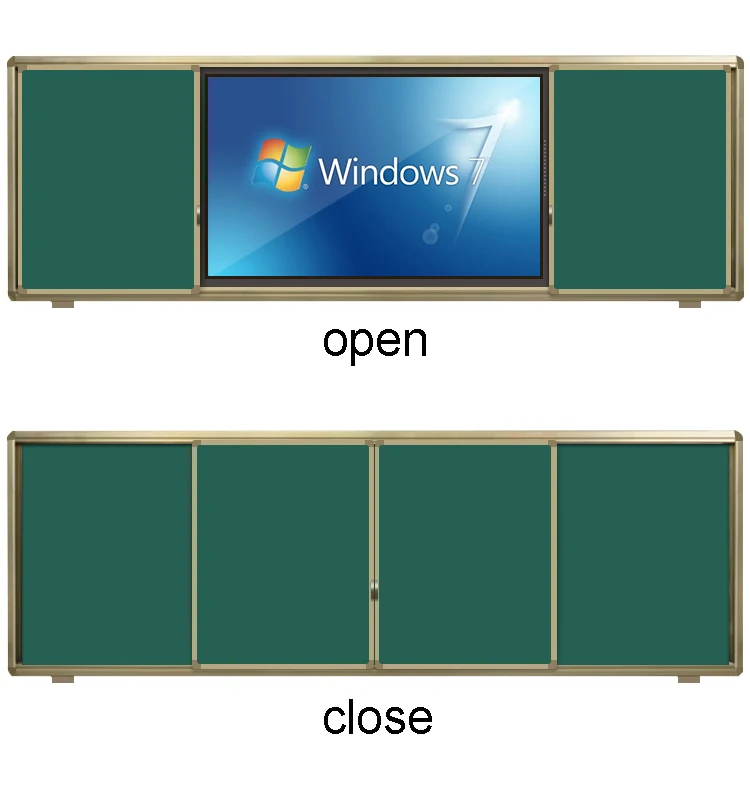
Educational institutions consistently face challenges related to space constraints and budget limitations. Installing a sliding chalkboard system addresses these concerns by providing multiple writing surfaces within the footprint of a traditional single board. These innovative designs typically feature overlapping panels that slide horizontally, revealing additional writing space when needed. Teachers can prepare lessons on hidden panels while maintaining student focus on the primary surface, significantly improving classroom workflow and time management.
The space-saving design of sliding chalkboard installations proves particularly valuable in older school buildings where renovation options are limited. Rather than requiring extensive wall modifications or room expansions, these systems work within existing architectural constraints. The sliding mechanism allows educators to access up to three times the writing surface area compared to traditional fixed boards, making every square foot of classroom space more productive and functional.
Enhanced Teaching Flexibility and Preparation
Sliding chalkboard systems provide unprecedented flexibility for lesson preparation and delivery. Teachers can organize complex multi-part lessons across different panels, revealing information sequentially to maintain student engagement and comprehension. This capability proves especially beneficial for mathematics, science, and language arts instruction where building concepts require extensive visual support and step-by-step progression through problems or examples.
The ability to prepare content in advance on hidden panels eliminates classroom downtime typically associated with erasing and rewriting information. Educators can seamlessly transition between topics, maintain lesson momentum, and dedicate more time to student interaction rather than board management. This enhanced efficiency translates directly into improved educational outcomes and more engaging classroom experiences for students of all ages.
Durability and Long-Term Value
Superior Construction and Material Quality
Modern sliding chalkboard systems utilize advanced materials and construction techniques that ensure decades of reliable service in demanding educational environments. High-quality porcelain enamel surfaces resist staining, scratching, and chemical damage while maintaining consistent writing performance throughout their operational lifespan. The robust steel backing and precision-engineered sliding mechanisms withstand frequent daily use without compromising functionality or appearance.
Investment in quality sliding chalkboard installations delivers exceptional long-term value compared to frequent replacements of inferior products. The durable construction minimizes maintenance requirements and eliminates the recurring costs associated with surface refinishing or complete board replacement. Schools can allocate budget resources more effectively when educational equipment provides reliable service for extended periods without performance degradation.
Maintenance Efficiency and Cost Reduction
The streamlined design of professional sliding chalkboard systems simplifies cleaning and maintenance procedures for custodial staff. Smooth surface transitions and precision-fitted components prevent chalk dust accumulation in gaps or crevices that plague inferior installations. Regular maintenance involves simple cleaning protocols using standard chalk removal techniques, ensuring consistent writing surface quality without specialized products or procedures.
Reduced maintenance requirements translate into significant cost savings over the operational lifetime of the equipment. Schools experience lower custodial labor costs, reduced cleaning supply consumption, and decreased frequency of repair or replacement interventions. These operational benefits compound annually, making quality sliding chalkboard installations financially advantageous investments for educational institutions operating under tight budget constraints.
Educational Impact and Student Engagement
Visual Learning Enhancement
The expanded writing surface provided by sliding chalkboard systems significantly enhances visual learning opportunities for students across all subjects and grade levels. Teachers can display comprehensive concept maps, detailed problem-solving sequences, and comparative information simultaneously without space limitations. This visual richness supports diverse learning styles and helps students better understand complex relationships between different concepts or data points.
Research consistently demonstrates that visual presentation of information improves retention rates and comprehension levels among student populations. Sliding chalkboard installations provide the expansive surface area necessary for effective visual instruction while maintaining the tactile benefits associated with traditional chalk-based writing systems that many educators prefer for mathematical notation and artistic applications.
Interactive Learning Opportunities
Multiple writing surfaces encourage collaborative learning activities where students can work simultaneously on different panels while sharing ideas and comparing approaches. This configuration supports peer-to-peer learning initiatives and allows teachers to facilitate group activities more effectively. Students gain confidence through increased opportunities to present their work and engage with course material in hands-on formats.
The sliding chalkboard design accommodates various interactive teaching methodologies including problem-solving workshops, brainstorming sessions, and creative expression activities. Teachers can dedicate different panels to specific learning objectives or student groups, enabling differentiated instruction approaches that address varying skill levels and learning preferences within the same classroom environment.
Installation Considerations and Technical Specifications
Professional Installation Requirements
Proper installation of sliding chalkboard systems requires experienced professionals who understand the structural requirements and precision adjustments necessary for optimal performance. The mounting system must securely attach to wall studs or appropriate structural supports capable of handling the distributed weight and operational stresses associated with frequent sliding movements. Professional installers ensure proper alignment, smooth operation, and long-term reliability of the sliding mechanisms.
Quality sliding chalkboard installations include comprehensive warranty coverage and professional support services that protect the educational investment. Experienced installation teams can assess existing classroom conditions, recommend appropriate mounting solutions, and complete the installation process with minimal disruption to ongoing educational activities. This professional approach ensures optimal performance and maximizes the operational lifespan of the equipment.
Customization Options and Specifications
Modern sliding chalkboard systems offer extensive customization options to meet specific classroom requirements and architectural constraints. Panel sizes, sliding configurations, and mounting heights can be tailored to accommodate different age groups, teaching styles, and room layouts. Some installations feature magnetic receptive surfaces, integrated projection screens, or combination whiteboards that expand functionality beyond traditional chalk writing applications.
Technical specifications for sliding chalkboard systems include precise dimensional tolerances, weight capacities, and operational parameters that ensure consistent performance. Professional manufacturers provide detailed specification sheets that assist facility managers in selecting appropriate models for specific applications. These technical documents include mounting requirements, clearance specifications, and maintenance guidelines necessary for optimal long-term performance.
Cost-Effectiveness and Budget Considerations
Initial Investment Analysis
While the initial cost of sliding chalkboard installations exceeds basic fixed boards, the expanded functionality and longevity provide superior value propositions for educational institutions. The ability to replace multiple traditional boards with a single sliding system reduces overall material costs, installation labor, and ongoing maintenance expenses. Budget analysis should consider the total cost of ownership over the expected operational lifespan rather than focusing solely on initial purchase prices.
Educational funding sources often prioritize classroom improvements that demonstrate clear pedagogical benefits and long-term value. Sliding chalkboard projects qualify for various grant programs and capital improvement initiatives because they directly enhance teaching capabilities while providing measurable returns on investment. The combination of space optimization, educational impact, and operational efficiency creates compelling justification for budget allocation decisions.
Long-Term Financial Benefits
The durability and low maintenance requirements of quality sliding chalkboard systems generate significant cost savings over their operational lifetime. Reduced replacement frequency, lower maintenance costs, and improved classroom efficiency contribute to positive financial returns that compound annually. These benefits become particularly pronounced in high-usage educational environments where traditional boards require frequent replacement or refinishing.
Energy efficiency considerations also favor sliding chalkboard installations over electronic alternatives that require ongoing power consumption and periodic technology updates. The mechanical operation and passive surface materials eliminate recurring energy costs while providing consistent performance regardless of technological changes or power supply issues that can disrupt electronic teaching tools.
FAQ
How much writing surface area does a sliding chalkboard provide compared to traditional boards
A typical sliding chalkboard system provides two to three times the writing surface area of a traditional fixed board within the same wall space. The overlapping panel design allows teachers to access multiple surfaces by sliding panels horizontally, revealing hidden areas for lesson preparation or extended content display. This expanded capacity significantly enhances teaching flexibility and classroom productivity without requiring additional wall space or room modifications.
What maintenance is required for sliding chalkboard systems
Sliding chalkboard systems require minimal maintenance consisting primarily of regular surface cleaning with standard chalk removal techniques and occasional lubrication of the sliding mechanism components. The durable porcelain enamel surfaces resist staining and wear, while precision-engineered tracks operate smoothly for years with basic care. Professional maintenance visits may be scheduled annually to inspect mechanical components and ensure optimal performance, but daily operation requires no special procedures or cleaning products.
Can sliding chalkboards accommodate different classroom sizes and layouts
Modern sliding chalkboard systems offer extensive customization options to accommodate various classroom configurations, ceiling heights, and space constraints. Manufacturers can adjust panel dimensions, sliding directions, and mounting systems to fit specific architectural requirements while maintaining optimal functionality. Professional installation teams assess each classroom individually to recommend the most appropriate configuration for the available space and intended educational applications.
How long do sliding chalkboard installations typically last in school environments
Quality sliding chalkboard systems installed by experienced professionals typically provide 15-20 years of reliable service in demanding educational environments. The durable construction materials and precision-engineered components resist wear from frequent daily use while maintaining consistent writing surface quality and smooth sliding operation. Proper maintenance and appropriate usage practices can extend operational lifespans beyond these typical ranges, making sliding chalkboard installations excellent long-term investments for educational institutions.
Table of Contents
- Space Optimization and Classroom Efficiency
- Durability and Long-Term Value
- Educational Impact and Student Engagement
- Installation Considerations and Technical Specifications
- Cost-Effectiveness and Budget Considerations
-
FAQ
- How much writing surface area does a sliding chalkboard provide compared to traditional boards
- What maintenance is required for sliding chalkboard systems
- Can sliding chalkboards accommodate different classroom sizes and layouts
- How long do sliding chalkboard installations typically last in school environments