EN
EN



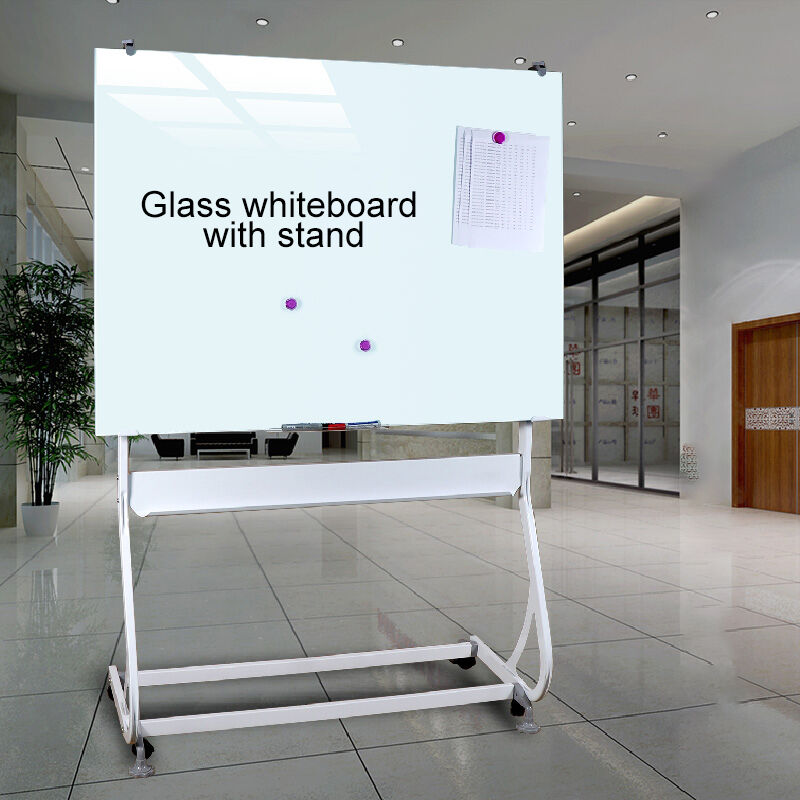
Modern classrooms require adaptable solutions that maximize teaching effectiveness while optimizing limited space. The sliding chalkboard represents a revolutionary approach to classroom design, offering educators unprecedented flexibility in their instructional delivery. Unlike traditional fixed boards, these innovative writing surfaces can be repositioned dynamically during lessons, creating multiple writing zones and enhancing student engagement through varied visual presentations.
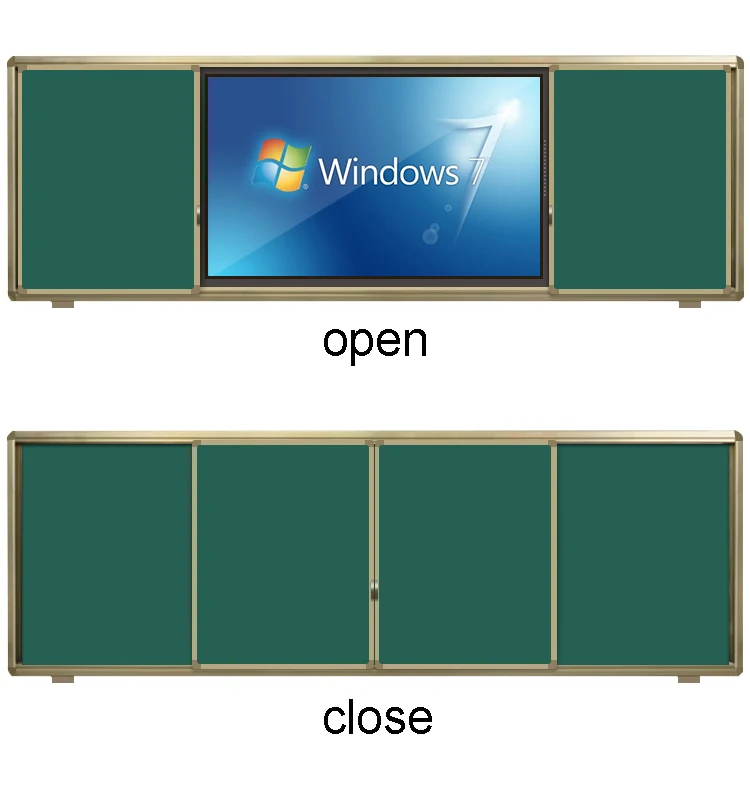
Educational institutions worldwide are embracing sliding chalkboard systems as essential classroom infrastructure. These versatile writing surfaces address the growing demand for multipurpose learning environments that can accommodate diverse teaching methodologies. The ability to slide panels horizontally or vertically transforms static classroom walls into dynamic educational tools, supporting both individual and collaborative learning activities.
Design Innovation and Mechanical Engineering
Advanced Rail Systems and Smooth Operation
The engineering excellence behind every sliding chalkboard lies in its precision-manufactured rail system. High-quality steel tracks ensure consistent, effortless movement while maintaining perfect alignment throughout years of daily use. The ball-bearing mechanisms incorporated into these systems eliminate friction points, allowing even young students to operate the boards with minimal physical effort.
Professional-grade sliding chalkboard installations feature corrosion-resistant materials that withstand the demanding classroom environment. The track systems are designed to handle repeated sliding motions without compromising stability or smoothness. Advanced mounting hardware distributes weight evenly across wall structures, preventing sagging or misalignment that could impair functionality over time.
Surface Materials and Writing Quality
Premium sliding chalkboard surfaces utilize specially formulated materials that optimize chalk adhesion and erasability. The micro-textured finish provides ideal friction for consistent chalk lines while ensuring complete removal during cleaning. These surfaces resist ghosting and staining, maintaining their professional appearance throughout extensive classroom use.
The durability characteristics of modern sliding chalkboard materials exceed traditional alternatives through advanced polymer compositions. These surfaces resist scratching, chipping, and wear patterns that typically develop in high-traffic educational environments. The result is a writing surface that maintains its original writing quality and visual appeal for decades of continuous use.
Space Optimization Strategies
Maximizing Available Wall Surface
Schools facing space constraints find sliding chalkboard systems provide immediate solutions for expanding usable writing surfaces. By implementing overlapping panel configurations, educators can access multiple board sections within the same wall footprint. This multiplication effect essentially doubles or triples available writing space without requiring additional classroom square footage.
The versatility of sliding chalkboard arrangements enables creative space utilization that adapts to varying lesson requirements. Teachers can reveal prepared content on hidden panels while simultaneously using visible surfaces for real-time instruction. This dual-surface capability supports complex lesson structures that require multiple information displays throughout single class periods.
Flexible Configuration Options
Contemporary sliding chalkboard systems offer numerous configuration possibilities that cater to specific educational needs. Horizontal sliding arrangements work exceptionally well in wide classrooms, while vertical sliding options maximize height utilization in compact spaces. Some installations combine both movement types, creating truly three-dimensional writing environments that transform throughout lessons.
The modular nature of quality sliding chalkboard systems allows for future expansion or reconfiguration as educational requirements evolve. Additional panels can be integrated into existing installations, and movement mechanisms can be upgraded to accommodate changing classroom layouts. This adaptability protects educational investments while ensuring continued relevance in dynamic learning environments.
Educational Benefits and Teaching Enhancement
Improved Lesson Flow and Student Engagement
Teachers utilizing sliding chalkboard systems report significant improvements in lesson continuity and student attention levels. The ability to pre-write content on hidden surfaces eliminates preparation interruptions during instruction time. Students remain focused on lesson content rather than waiting for teachers to write information, maximizing productive learning minutes within each class period.
The dynamic nature of sliding chalkboard presentations captures student interest through movement and revelation techniques. Teachers can build suspense by gradually revealing information panels or create interactive experiences where students anticipate upcoming content. This engagement strategy proves particularly effective with younger learners who respond positively to visual variety and surprise elements.
Collaborative Learning Support
Modern pedagogical approaches emphasize collaborative learning experiences that benefit from multiple simultaneous writing surfaces. A sliding chalkboard configuration enables small group activities where different teams work on separate panels. This parallel processing capability accelerates group projects while maintaining organization and clarity for final presentations.
The accessibility of sliding chalkboard systems encourages student participation in ways that fixed boards cannot match. Students can access different board sections without interfering with ongoing activities elsewhere in the classroom. This independence fosters confidence and reduces classroom management challenges during collaborative exercises.
Installation Considerations and Technical Requirements
Structural Assessment and Mounting Specifications
Successful sliding chalkboard installations require thorough evaluation of existing wall structures and load-bearing capabilities. Professional installers assess wall materials, stud spacing, and potential obstructions that might affect rail mounting or panel movement. These evaluations ensure safe, stable installations that meet educational facility standards and safety regulations.
The mounting hardware for sliding chalkboard systems must distribute significant loads across multiple wall attachment points. Quality installations utilize reinforcement brackets and backing plates that prevent wall damage while maintaining system integrity. Proper spacing calculations ensure smooth panel movement without binding or interference between adjacent surfaces.
Maintenance Requirements and Longevity
Regular maintenance protocols for sliding chalkboard systems focus on rail cleaning and lubrication to preserve smooth operation. Simple monthly inspections identify potential issues before they impact classroom functionality. The robust construction of professional systems minimizes maintenance requirements while ensuring reliable daily performance throughout the academic year.
The long-term durability of sliding chalkboard installations provides excellent return on educational investment. Quality systems maintain their functionality and appearance for multiple decades with minimal intervention. This longevity makes sliding chalkboard systems cost-effective solutions for educational institutions planning sustainable classroom improvements.
Integration with Modern Teaching Technologies
Hybrid Analog-Digital Learning Environments
Contemporary classrooms increasingly blend traditional and digital teaching tools, with sliding chalkboard systems serving as essential components in hybrid learning environments. These surfaces complement interactive displays and projection systems by providing dedicated spaces for handwritten content that remains visible throughout technology-based presentations. The tactile nature of chalk writing supports learning styles that benefit from physical engagement with educational content.
The positioning flexibility of sliding chalkboard panels allows for optimal integration with mounted displays and projection equipment. Teachers can arrange board surfaces to avoid interference with digital content while maintaining accessibility for supplementary writing activities. This coordination between analog and digital tools creates comprehensive learning environments that leverage the strengths of both approaches.
Adaptability for Various Subject Areas
Different academic subjects benefit uniquely from sliding chalkboard capabilities, with mathematics classes utilizing multiple panels for extended problem-solving sequences and language arts instruction employing separate surfaces for vocabulary, grammar, and creative writing activities. Science classrooms leverage the flexibility for detailed diagrams and experimental data recording that complement laboratory activities.
The versatility of sliding chalkboard configurations supports specialized teaching methods across diverse curriculum areas. Art classes utilize the moveable surfaces for technique demonstrations and student showcases, while history instruction benefits from timeline displays and comparative analysis presentations. This cross-curricular applicability maximizes the educational value of sliding chalkboard investments.
Cost Analysis and Budget Considerations
Initial Investment and Implementation Costs
The upfront costs of sliding chalkboard systems reflect the precision engineering and quality materials required for reliable classroom performance. While initial investments exceed basic fixed boards, the expanded functionality and durability characteristics provide superior long-term value. Educational institutions should evaluate total cost of ownership including installation, maintenance, and eventual replacement when comparing classroom surface options.
Professional installation costs vary based on wall conditions, system complexity, and local labor rates, but typically represent a small percentage of total project expenses. Quality installations protect the investment by ensuring optimal performance and preventing premature wear or failure. The expertise required for proper mounting and alignment makes professional installation essential for achieving manufacturer specifications.
Long-term Value and Return on Investment
The extended lifespan of quality sliding chalkboard systems creates exceptional value propositions for educational institutions. These installations typically function effectively for twenty to thirty years with minimal maintenance requirements. The durability and continued functionality throughout this period result in lower annual costs compared to repeatedly replacing inferior alternatives.
The educational benefits of sliding chalkboard systems contribute to improved learning outcomes that justify their costs through enhanced teaching effectiveness. Teachers report increased lesson efficiency and student engagement levels that translate into measurable academic improvements. These qualitative benefits complement the quantitative cost advantages of durable, long-lasting classroom infrastructure.
FAQ
How much wall space is required for sliding chalkboard installation
Sliding chalkboard systems require wall dimensions that accommodate both the visible writing surface and the sliding mechanism clearances. Typical installations need approximately six inches of additional width beyond the desired writing surface width to allow for proper panel overlap and rail mounting. Vertical clearance should include space for mounting hardware above and below the writing surface, usually requiring an additional four inches in height.
Can sliding chalkboard systems be retrofitted into existing classrooms
Most existing classrooms can accommodate sliding chalkboard retrofits with proper structural assessment and preparation. Wall reinforcement may be necessary in older buildings or installations involving particularly large panel configurations. Professional evaluation determines the feasibility and requirements for successful integration into existing educational facilities without major construction modifications.
What maintenance is required to keep sliding chalkboard systems functioning properly
Sliding chalkboard maintenance involves regular cleaning of rail tracks to remove chalk dust and debris that might impede smooth movement. Monthly lubrication of moving components using manufacturer-approved products ensures continued smooth operation. Annual professional inspections verify proper alignment and identify any wear components that might require adjustment or replacement.
How do sliding chalkboard systems compare to interactive whiteboards for educational effectiveness
Sliding chalkboard systems excel in providing large, easily accessible writing surfaces that support extended problem-solving activities and detailed content development. While interactive whiteboards offer digital integration capabilities, sliding chalkboard systems provide tactile writing experiences and unlimited writing space that many educators find essential for comprehensive instruction. The optimal classroom environment often incorporates both technologies to leverage their complementary strengths.
Table of Contents
- Design Innovation and Mechanical Engineering
- Space Optimization Strategies
- Educational Benefits and Teaching Enhancement
- Installation Considerations and Technical Requirements
- Integration with Modern Teaching Technologies
- Cost Analysis and Budget Considerations
-
FAQ
- How much wall space is required for sliding chalkboard installation
- Can sliding chalkboard systems be retrofitted into existing classrooms
- What maintenance is required to keep sliding chalkboard systems functioning properly
- How do sliding chalkboard systems compare to interactive whiteboards for educational effectiveness