EN
EN



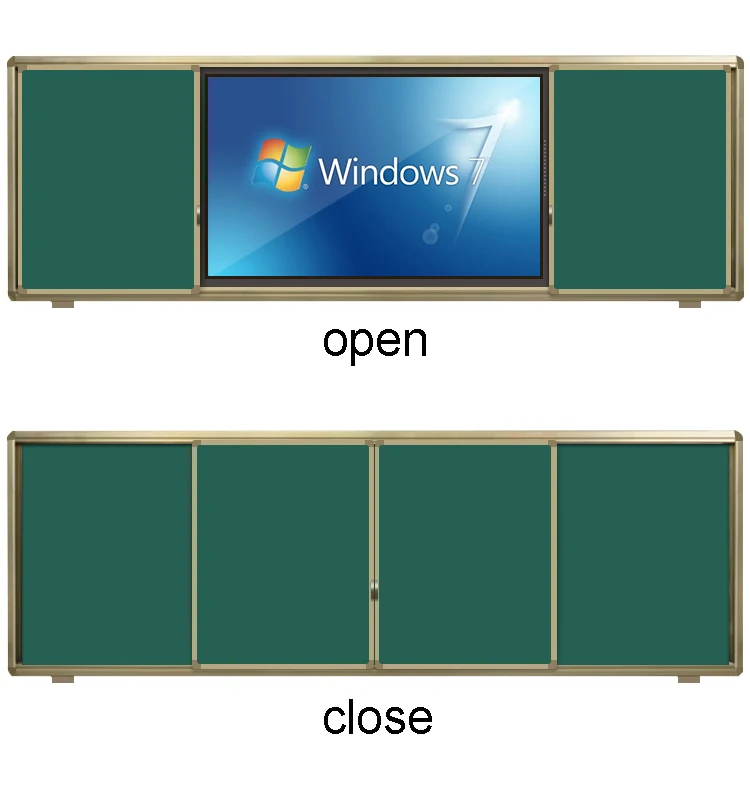
Despite the digital revolution transforming educational environments worldwide, the traditional sliding chalkboard continues to hold its ground as an indispensable teaching tool in modern classrooms. This enduring popularity stems from a combination of practical benefits, cost-effectiveness, and proven pedagogical advantages that make the sliding chalkboard an attractive option for educators and administrators alike. Understanding why this classic educational fixture remains relevant helps explain its continued presence in schools across the globe, from elementary institutions to universities.
Educational Benefits of Sliding Chalkboards
Enhanced Learning Engagement
The sliding chalkboard offers unique advantages that digital alternatives struggle to replicate. Students demonstrate higher retention rates when information is presented on a sliding chalkboard compared to digital displays. The physical act of writing on chalk surfaces creates a tactile learning experience that engages multiple senses simultaneously. Research indicates that the slower pace of chalk writing allows students to better process and absorb information as concepts unfold gradually before their eyes.
Teachers appreciate how a sliding chalkboard encourages spontaneous learning moments. Unlike pre-programmed digital presentations, chalk surfaces allow educators to adapt their lessons in real-time, responding to student questions and exploring tangential topics that arise naturally during instruction. This flexibility promotes dynamic classroom discussions and helps maintain student interest throughout the lesson.
Improved Student Participation
The sliding chalkboard creates an inviting environment for student participation. Many students feel less intimidated when approaching a traditional chalk surface compared to high-tech digital boards. This comfort level translates into increased willingness to volunteer answers, work through problems publicly, and collaborate on group exercises. The familiar nature of chalk writing removes technological barriers that might otherwise hinder student engagement.
Furthermore, the sliding mechanism allows multiple students to work simultaneously on different sections of the board. Teachers can divide the sliding chalkboard into zones for group activities, enabling collaborative learning experiences that would be difficult to achieve with fixed surfaces or digital alternatives.
Cost-Effectiveness and Maintenance Advantages
Budget-Friendly Installation and Operation
Schools operating under tight budget constraints find the sliding chalkboard to be an economically sound investment. The initial purchase and installation costs are significantly lower than interactive whiteboards or digital display systems. This affordability makes quality educational tools accessible to institutions regardless of their financial resources, ensuring that budget limitations do not compromise teaching effectiveness.
Operating expenses remain minimal throughout the lifespan of a sliding chalkboard. Unlike digital alternatives requiring software licenses, periodic updates, and specialized technical support, chalk boards operate independently of technological infrastructure. Schools avoid ongoing subscription fees, compatibility issues, and the constant need for system upgrades that plague digital educational technology.
Minimal Maintenance Requirements
The durability of a well-constructed sliding chalkboard ensures decades of reliable service with minimal maintenance intervention. Daily cleaning requires only water and cloth, eliminating the need for specialized cleaning solutions or replacement parts. This simplicity reduces maintenance costs and allows teachers to focus on instruction rather than equipment troubleshooting.
When maintenance is necessary, repairs typically involve straightforward mechanical adjustments rather than complex technological interventions. School maintenance staff can handle most sliding chalkboard issues without requiring expensive external technician services or specialized training programs.
Pedagogical Advantages in Modern Education
Supporting Diverse Learning Styles
The sliding chalkboard accommodates various learning preferences that exist within every classroom. Visual learners benefit from the clear contrast between white chalk and dark surfaces, while kinesthetic learners engage through the physical writing process. Auditory learners respond to the distinctive sound of chalk on board, which helps reinforce memory formation and information retention.
Teachers can employ multiple instructional strategies using a single sliding chalkboard. Mathematical equations unfold step-by-step, historical timelines develop chronologically, and scientific diagrams emerge through careful construction. This versatility supports differentiated instruction approaches that meet individual student needs within group learning environments.
Promoting Active Learning Methods
Active learning methodologies find strong support through sliding chalkboard implementation. Students can manipulate information physically by moving between board sections, creating connections between concepts, and building upon previous work. The sliding mechanism enables progressive revelation of information, maintaining student curiosity while preventing cognitive overload.
Problem-solving activities become more engaging when students can work through solutions collaboratively on the board surface. The permanence of chalk writing allows for reflection and revision, teaching students to view mistakes as learning opportunities rather than failures requiring immediate correction.
Environmental and Health Considerations
Sustainable Educational Solutions
Environmental consciousness drives many schools toward sustainable educational solutions, making the sliding chalkboard an attractive option. Manufacturing processes for traditional boards generate significantly less environmental impact compared to electronic alternatives. The longevity of quality chalk surfaces reduces replacement frequency and associated waste generation.
Energy consumption remains virtually zero for sliding chalkboard operation, contributing to reduced carbon footprints for educational institutions. Schools pursuing green certification or environmental sustainability goals find that traditional teaching tools align well with their ecological objectives while maintaining educational effectiveness.
Health and Safety Benefits
Modern sliding chalkboard designs address historical health concerns through improved dust control and enhanced ventilation systems. Low-dust chalk formulations minimize respiratory irritation while maintaining writing quality. Proper installation includes adequate air circulation that disperses particles effectively, creating healthier classroom environments.
The absence of electronic emissions eliminates concerns about electromagnetic field exposure that some parents and educators associate with digital classroom technology. This peace of mind allows teachers to focus on instruction without worrying about potential health implications for sensitive students.
Integration with Contemporary Teaching Methods
Blended Learning Approaches
Contemporary educators successfully integrate sliding chalkboard usage with modern teaching methodologies. Rather than viewing traditional and digital tools as competing alternatives, progressive instructors combine both approaches to maximize learning outcomes. The sliding chalkboard serves as an anchor point for lessons while digital resources provide supplementary content and interactive experiences.
This hybrid approach allows teachers to leverage the benefits of both traditional and modern tools. Fundamental concepts receive thorough development on the chalkboard surface while multimedia resources enhance understanding through visual demonstrations and real-world applications. Students benefit from this multi-modal approach that accommodates different learning preferences within single lessons.
Collaborative Learning Enhancement
Group learning activities flourish when supported by sliding chalkboard functionality. Multiple student teams can work simultaneously on different sections, comparing approaches and sharing solutions. The sliding mechanism enables easy transition between individual and group work, supporting flexible classroom configurations that adapt to various instructional goals.
Project-based learning receives strong support through expansive writing surfaces that accommodate complex diagrams, extended calculations, and collaborative brainstorming sessions. Students can document their thinking processes visually, creating shared understanding that benefits entire classroom communities.
FAQ
How does a sliding chalkboard compare to interactive whiteboards in terms of durability
A sliding chalkboard typically offers superior longevity compared to interactive whiteboards, often lasting 20-30 years with proper maintenance versus 5-7 years for digital alternatives. The mechanical simplicity of sliding mechanisms results in fewer failure points, while the absence of electronic components eliminates concerns about technological obsolescence or software compatibility issues.
What maintenance is required to keep a sliding chalkboard functioning properly
Regular maintenance for a sliding chalkboard involves daily cleaning with damp cloths, periodic lubrication of sliding tracks, and occasional adjustment of mounting hardware. Most maintenance tasks can be performed by school staff without specialized training, and replacement parts are readily available at reasonable costs compared to digital board components.
Are there health concerns associated with chalk dust from sliding chalkboards
Modern sliding chalkboard installations address dust concerns through improved ventilation systems and low-dust chalk formulations. Proper classroom air circulation effectively manages particle levels, while dustless chalk alternatives maintain writing quality without generating significant airborne particles. Many schools successfully operate chalk surfaces without health complications when appropriate precautions are implemented.
Can sliding chalkboards accommodate different teaching subjects effectively
The versatility of a sliding chalkboard makes it suitable for virtually all academic subjects, from mathematics and sciences to language arts and social studies. The large writing surface accommodates detailed diagrams, extended equations, timeline development, and collaborative activities. Teachers across disciplines appreciate the flexibility to adapt board usage to specific subject requirements and instructional methodologies.
Table of Contents
- Educational Benefits of Sliding Chalkboards
- Cost-Effectiveness and Maintenance Advantages
- Pedagogical Advantages in Modern Education
- Environmental and Health Considerations
- Integration with Contemporary Teaching Methods
-
FAQ
- How does a sliding chalkboard compare to interactive whiteboards in terms of durability
- What maintenance is required to keep a sliding chalkboard functioning properly
- Are there health concerns associated with chalk dust from sliding chalkboards
- Can sliding chalkboards accommodate different teaching subjects effectively