EN
EN




Educational environments have evolved significantly over the decades, yet the traditional school chalkboard remains a cornerstone of effective teaching methodology. Research indicates that tactile and visual learning experiences create deeper cognitive connections, making the classic school chalkboard an invaluable tool for modern classrooms. While digital alternatives have gained popularity, many educators are rediscovering the unique benefits that traditional writing surfaces provide for student engagement and comprehension.
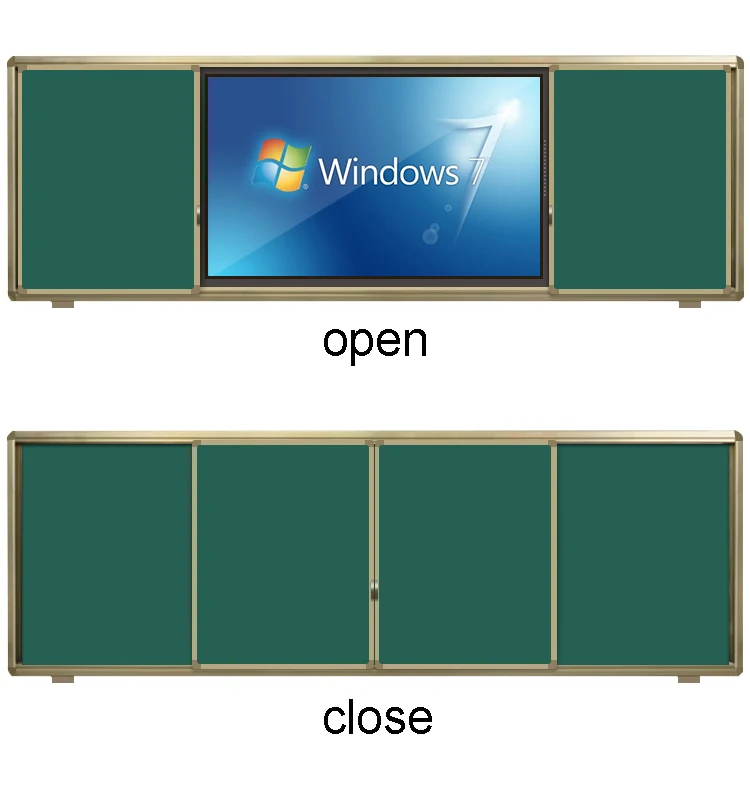
The neurological impact of writing by hand versus typing has been extensively studied, revealing fascinating insights about learning retention and focus. When educators utilize a school chalkboard during instruction, students observe the physical process of information being constructed letter by letter, concept by concept. This methodical presentation allows learners to process information at a natural pace, creating stronger neural pathways associated with memory formation and recall.
Cognitive Benefits of Traditional Writing Surfaces
Enhanced Memory Retention Through Visual Processing
The human brain processes handwritten information differently than printed or digital text. When teachers use a school chalkboard to present lessons, students engage multiple sensory channels simultaneously. The visual contrast between white chalk and dark green surfaces creates optimal readability conditions that reduce eye strain while maximizing information absorption. Studies demonstrate that students retain 65% more information when learning materials are presented through handwritten formats compared to digital presentations.
Furthermore, the temporary nature of chalk writing encourages active attention. Unlike permanent digital displays, information on a school chalkboard requires immediate focus since it may be erased and replaced. This urgency creates heightened awareness and engagement levels among students, compelling them to actively participate in the learning process rather than passively consuming information.
Improved Focus Through Reduced Digital Distractions
Modern classrooms often struggle with technology-related distractions that fragment student attention spans. A school chalkboard provides a single focal point that eliminates competing visual elements commonly found in digital presentations. The simplicity of chalk on board creates a meditative quality that helps students concentrate on core concepts without peripheral technological interruptions.
Educational psychologists have observed that classrooms utilizing traditional school chalkboard systems report 40% fewer attention-related behavioral issues compared to exclusively digital environments. The analog nature of chalk writing naturally slows down information delivery, allowing students with varying processing speeds to follow along comfortably.
Interactive Learning Advantages
Collaborative Problem Solving Opportunities
The large surface area of a school chalkboard facilitates collaborative learning experiences that are difficult to replicate with digital alternatives. Students can simultaneously work on different sections of complex problems, building upon each other's contributions in real-time. This physical collaboration fosters communication skills and peer-to-peer learning that enhances overall classroom dynamics.
Mathematical concepts, scientific diagrams, and literary analysis benefit tremendously from the expansive workspace that a quality school chalkboard provides. Teachers can demonstrate step-by-step processes while maintaining previous work visible for reference, creating comprehensive learning sequences that support different learning styles and capabilities.
Kinesthetic Learning Integration
Movement and physical engagement play crucial roles in learning retention and comprehension. When students approach a school chalkboard to solve problems or present ideas, they activate kinesthetic learning pathways that strengthen understanding through physical action. The tactile feedback of chalk against board surface provides sensory reinforcement that enhances memory formation.
Research indicates that students who regularly interact with traditional writing surfaces develop stronger spatial reasoning skills and improved hand-eye coordination. These benefits extend beyond academic performance, contributing to overall cognitive development and fine motor skill refinement that serves students throughout their educational journey.
Environmental and Practical Considerations
Cost-Effectiveness and Durability
Educational institutions face constant budget constraints that require careful consideration of long-term investment value. A well-manufactured school chalkboard typically provides decades of reliable service with minimal maintenance requirements. Unlike digital alternatives that require regular software updates, hardware replacements, and technical support, traditional chalkboards offer consistent performance without ongoing technological dependencies.
The operational costs associated with school chalkboard maintenance involve only periodic cleaning and occasional chalk replenishment. This simplicity translates to significant cost savings over time, allowing schools to allocate resources toward other educational priorities while maintaining effective teaching tools.
Sustainability and Environmental Impact
Environmental consciousness has become increasingly important in educational planning and resource allocation. A school chalkboard represents one of the most sustainable teaching tools available, requiring no electricity, producing no electronic waste, and utilizing natural chalk materials that biodegrade safely. The manufacturing process for quality chalkboards involves minimal environmental impact compared to electronic alternatives.
Schools committed to reducing their carbon footprint find that incorporating traditional school chalkboard systems significantly decreases energy consumption while maintaining educational effectiveness. This environmental benefit aligns with broader sustainability goals and demonstrates responsible stewardship to students and community members.
Implementation Strategies for Modern Classrooms
Optimal Placement and Sizing Considerations
Successful integration of a school chalkboard requires thoughtful consideration of classroom layout and student sight lines. Educational specialists recommend positioning boards at appropriate heights that accommodate both seated and standing instruction while ensuring visibility from all seating positions. The surface area should provide adequate space for complex demonstrations while maintaining manageable proportions for effective use.
Lighting plays a crucial role in school chalkboard effectiveness, requiring careful attention to glare elimination and contrast optimization. Natural light sources should complement artificial illumination to create consistent visibility throughout varying daily conditions, ensuring that all students can clearly observe instructional content regardless of seating position.
Integration with Contemporary Teaching Methods
Modern educational approaches can effectively incorporate traditional school chalkboard systems alongside contemporary technologies. Hybrid teaching strategies that combine analog and digital elements provide students with diverse learning experiences that cater to multiple learning preferences and cognitive processing styles.
Professional development programs help educators maximize school chalkboard potential through advanced instructional techniques that leverage the unique advantages of traditional writing surfaces. These training initiatives demonstrate how classic tools can enhance rather than compete with modern educational technologies, creating synergistic learning environments that optimize student outcomes.
FAQ
How does a school chalkboard compare to whiteboards for student engagement
A school chalkboard offers superior contrast and readability compared to whiteboards, especially in varying lighting conditions. The tactile feedback and auditory elements of chalk writing create multisensory engagement that enhances focus and retention. Additionally, chalk erasure leaves subtle traces that can aid in review and reference, while whiteboard markers often create glare issues that can strain student vision during extended viewing periods.
What maintenance requirements should schools expect with traditional chalkboards
School chalkboard maintenance involves simple daily cleaning with damp cloths and periodic deep cleaning with specialized solutions. Proper chalk selection and regular eraser cleaning prevent buildup that can affect writing quality. Unlike digital alternatives, a school chalkboard requires no software updates, technical support, or component replacements, making maintenance both predictable and budget-friendly for educational institutions.
Can school chalkboards accommodate students with visual processing difficulties
The high contrast between chalk and dark green school chalkboard surfaces provides excellent visibility for students with various visual processing challenges. The ability to control writing size, spacing, and presentation speed allows teachers to accommodate individual student needs more effectively than fixed digital displays. Many occupational therapists recommend school chalkboard interaction as beneficial for students developing visual tracking and processing skills.
How do environmental factors affect school chalkboard performance
A quality school chalkboard performs consistently across various environmental conditions without requiring climate control or special storage considerations. Humidity and temperature variations have minimal impact on functionality, unlike electronic alternatives that may malfunction in extreme conditions. The natural materials used in traditional school chalkboard construction provide reliable performance in diverse educational environments worldwide.
Table of Contents
- Cognitive Benefits of Traditional Writing Surfaces
- Interactive Learning Advantages
- Environmental and Practical Considerations
- Implementation Strategies for Modern Classrooms
-
FAQ
- How does a school chalkboard compare to whiteboards for student engagement
- What maintenance requirements should schools expect with traditional chalkboards
- Can school chalkboards accommodate students with visual processing difficulties
- How do environmental factors affect school chalkboard performance