EN
EN


In today's fast-paced business environment, effective communication and collaboration are essential for organizational success. Teams across industries are constantly seeking innovative ways to enhance their brainstorming sessions, meetings, and creative workshops. Among the various tools available, the flip chart stands out as a versatile and powerful medium that continues to foster meaningful team interactions and unlock creative potential. Unlike digital alternatives, a flip chart provides a tangible, visual platform that encourages active participation and transforms abstract ideas into concrete visual representations.
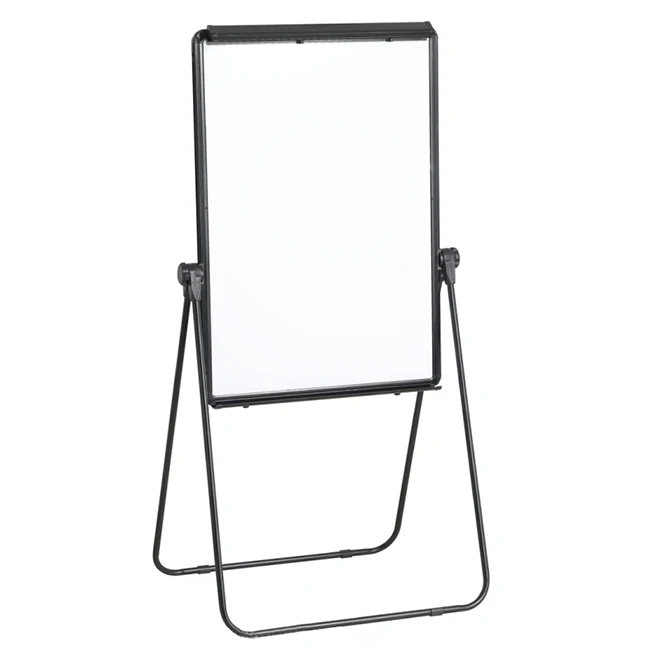
The psychological impact of working with physical materials cannot be underestimated when it comes to team dynamics. When participants gather around a flip chart, they naturally form a collaborative circle that breaks down hierarchical barriers and encourages equal participation. This physical arrangement creates an inclusive environment where every team member feels empowered to contribute their ideas and perspectives. The act of writing or drawing on large paper surfaces engages multiple senses and cognitive processes, leading to more comprehensive idea generation and improved retention of discussed concepts.
The Science Behind Visual Collaboration
Neurological Benefits of Analog Thinking Tools
Research in cognitive science reveals that using analog tools like a flip chart activates different neural pathways compared to digital interfaces. The kinesthetic experience of writing by hand stimulates areas of the brain associated with memory formation and creative thinking. When team members physically interact with a flip chart, they engage in what researchers call embodied cognition, where the physical act of writing and drawing enhances cognitive processing and idea development.
The tactile feedback from markers on paper creates a sensory experience that strengthens neural connections and improves information retention. Studies have shown that participants who use physical writing tools during brainstorming sessions demonstrate increased activation in brain regions responsible for creative problem-solving. This neurological advantage makes the flip chart an invaluable tool for teams seeking to maximize their collaborative potential and generate innovative solutions.
Visual Processing and Information Architecture
The human brain processes visual information significantly faster than text-based content, making visual collaboration tools particularly effective for team interactions. A flip chart enables teams to create mind maps, flowcharts, diagrams, and other visual representations that help organize complex information into digestible formats. This visual approach to information architecture allows team members to quickly identify patterns, connections, and relationships between different concepts.
When teams use a flip chart to document their discussions, they create a shared visual language that transcends individual communication styles and preferences. The large format of flip chart paper provides ample space for teams to expand their ideas organically, allowing concepts to evolve and interconnect in ways that might not emerge through purely verbal discussions. This spatial freedom encourages non-linear thinking and helps teams explore creative solutions that might otherwise remain hidden.
Enhancing Team Dynamics Through Interactive Engagement
Breaking Down Communication Barriers
Traditional meeting formats often create invisible barriers that prevent effective communication and collaboration. Participants may hesitate to speak up due to hierarchy, personality differences, or fear of judgment. The flip chart serves as a neutral ground where ideas can be expressed visually and anonymously if needed. Team members who might struggle to articulate their thoughts verbally can use drawings, symbols, or abbreviated notes to contribute meaningfully to the discussion.
The collaborative nature of flip chart sessions naturally encourages active listening and engagement from all participants. When someone is writing or drawing on the flip chart, others instinctively focus their attention on the emerging visual content, creating moments of shared concentration that strengthen team cohesion. This shared focus helps eliminate distractions and creates an environment where deep thinking and meaningful collaboration can flourish.
Fostering Inclusive Participation
One of the most significant advantages of using a flip chart in team settings is its ability to accommodate different learning styles and communication preferences. Visual learners benefit from the graphical representations, while kinesthetic learners engage through the physical act of writing and drawing. The flip chart creates multiple opportunities for participation, whether through direct contribution, verbal feedback, or supportive gestures and reactions.
The democratic nature of flip chart collaboration ensures that ideas are evaluated based on their merit rather than their source. When concepts are captured visually on paper, they become detached from their originator, allowing teams to discuss and refine ideas objectively. This separation helps reduce ego-driven discussions and promotes a more collaborative atmosphere where the best ideas naturally rise to the surface through collective evaluation and refinement.
Creative Problem-Solving Applications
Design Thinking and Innovation Workshops
Design thinking methodologies rely heavily on visual collaboration tools to guide teams through the creative problem-solving process. The flip chart provides an ideal medium for capturing user personas, journey maps, and solution concepts throughout each phase of the design thinking process. Teams can use multiple flip chart sheets to create a comprehensive visual narrative that documents their journey from problem identification to solution implementation.
During ideation sessions, the large format of flip chart paper allows teams to generate numerous ideas quickly without being constrained by digital interface limitations. Participants can build upon each other's contributions by adding sketches, annotations, and connections directly to the existing content. This organic development of ideas creates a rich tapestry of creative possibilities that teams can explore and refine collaboratively.
Strategic Planning and Roadmap Development
Strategic planning sessions benefit tremendously from the visual capabilities of flip chart collaboration. Teams can create timeline visualizations, priority matrices, and stakeholder maps that provide clear representations of complex strategic concepts. The flip chart format allows for real-time modifications and adjustments as discussions evolve, ensuring that strategic plans remain dynamic and responsive to new insights and perspectives.
The persistence of flip chart content throughout extended planning sessions provides valuable continuity that helps maintain focus and momentum. Teams can refer back to previous sheets, compare different scenarios, and track the evolution of their strategic thinking over time. This historical perspective often reveals patterns and insights that might not be apparent in digital formats where previous content may be forgotten or overlooked.
Implementation Strategies for Maximum Impact
Facilitator Techniques and Best Practices
Effective flip chart facilitation requires specific techniques and approaches that maximize team engagement and creative output. Skilled facilitators understand how to use color coding, spatial organization, and visual hierarchy to create flip chart content that is both informative and inspiring. They know when to step back and allow team members to take ownership of the flip chart process, fostering a sense of collective responsibility for the emerging ideas and solutions.
The role of the facilitator extends beyond simply managing the flip chart content to include creating an environment where creativity can flourish. This involves establishing ground rules that encourage risk-taking and experimentation, managing time effectively to ensure adequate exploration of ideas, and helping teams navigate through challenging discussions while maintaining focus on the collaborative objectives.
Integration with Digital Workflows
While flip chart sessions provide unique analog benefits, successful teams often integrate their flip chart work with digital documentation and follow-up processes. Photographing flip chart content preserves the visual context and spatial relationships that emerge during collaborative sessions, while digital transcription ensures that key insights and action items are captured for future reference and implementation.
The hybrid approach of combining flip chart collaboration with digital documentation creates a comprehensive record of team thinking that can be shared with stakeholders, referenced in future sessions, and used to track progress over time. This integration ensures that the creative energy and insights generated during flip chart sessions translate into concrete outcomes and sustained organizational impact.
Measuring Success and Continuous Improvement
Quantitative and Qualitative Assessment Methods
Organizations that implement flip chart methodologies can measure their effectiveness through various quantitative and qualitative metrics. Quantitative measures might include the number of ideas generated per session, the time required to reach consensus on key decisions, and the percentage of action items completed following collaborative sessions. These metrics provide objective data about the efficiency and productivity gains associated with flip chart use.
Qualitative assessment involves gathering feedback from participants about their experience with flip chart collaboration, including their perceived level of engagement, satisfaction with the creative process, and confidence in the resulting outcomes. Regular collection of qualitative feedback helps organizations refine their flip chart processes and adapt their approaches to meet evolving team needs and preferences.
Long-term Organizational Benefits
The sustained use of flip chart methodologies often leads to broader organizational benefits that extend beyond individual team sessions. Teams that regularly engage in flip chart collaboration tend to develop stronger communication skills, increased creative confidence, and improved problem-solving capabilities that benefit all aspects of their work. The visual thinking skills developed through flip chart use often transfer to other areas, leading to more effective presentations, clearer documentation, and enhanced analytical capabilities.
Organizations that embrace flip chart culture often notice improvements in employee engagement, innovation metrics, and overall team satisfaction scores. The inclusive and democratic nature of flip chart collaboration helps build stronger relationships between team members and creates a foundation for continued creative collaboration across various projects and initiatives.
FAQ
What makes flip chart sessions more effective than digital collaboration tools
Flip chart sessions engage multiple senses and cognitive processes that digital tools cannot replicate. The physical act of writing and drawing activates different neural pathways associated with memory formation and creative thinking. Additionally, the tangible nature of flip chart content creates a shared focus point that naturally encourages active participation from all team members, leading to more inclusive and productive collaborative experiences.
How can teams maintain engagement during extended flip chart sessions
Maintaining engagement during extended sessions requires careful facilitation and strategic breaks. Rotate the writing responsibilities among team members to keep everyone actively involved. Use different colored markers to create visual variety and assign specific colors to different types of content or contributors. Take regular breaks to allow participants to step back and absorb the visual content that has been created, and consider breaking complex topics into multiple shorter sessions rather than attempting to cover everything in a single extended meeting.
What preparation is needed before conducting a flip chart brainstorming session
Successful flip chart sessions require thoughtful preparation including defining clear objectives, preparing the physical space with adequate wall space or easels, and gathering appropriate materials such as various colored markers, tape, and sufficient paper sheets. Brief participants on the session goals and any relevant background information beforehand. Consider the room layout to ensure all participants can see and access the flip chart easily, and prepare any initial frameworks or templates that might help guide the discussion while still allowing for creative exploration.
How should teams preserve and follow up on flip chart content after sessions
Preserve flip chart content by photographing each sheet immediately after the session, ensuring good lighting and clear visibility of all text and drawings. Create digital summaries that capture key insights, action items, and decisions while the discussion is still fresh in participants' minds. Distribute both the visual photographs and written summaries to all participants within 24 hours. Schedule follow-up sessions to review progress on action items and continue developing promising ideas that emerged during the initial flip chart collaboration.
Table of Contents
- The Science Behind Visual Collaboration
- Enhancing Team Dynamics Through Interactive Engagement
- Creative Problem-Solving Applications
- Implementation Strategies for Maximum Impact
- Measuring Success and Continuous Improvement
-
FAQ
- What makes flip chart sessions more effective than digital collaboration tools
- How can teams maintain engagement during extended flip chart sessions
- What preparation is needed before conducting a flip chart brainstorming session
- How should teams preserve and follow up on flip chart content after sessions