EN
EN


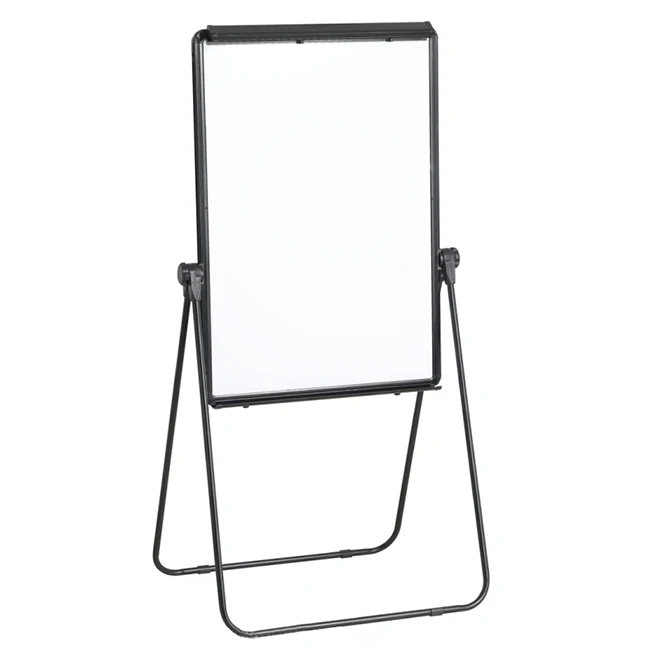
In today's digital-driven business environment, the humble flip chart continues to prove its worth as an indispensable presentation tool. Despite the proliferation of sophisticated presentation software and interactive displays, the flip chart remains a cornerstone of effective business communication. Its tactile nature, immediate visual impact, and interactive capabilities make it particularly valuable for workshops, brainstorming sessions, training programs, and strategic planning meetings. The versatility of a flip chart extends beyond simple note-taking, serving as a dynamic platform for collaborative thinking and idea development that engages audiences in ways that digital presentations often cannot match.
Enhanced Audience Engagement Through Interactive Participation
Real-Time Collaboration Benefits
The interactive nature of a flip chart fundamentally transforms passive audiences into active participants. Unlike traditional slide presentations where information flows in one direction, flip chart sessions encourage immediate feedback, questions, and contributions from attendees. This collaborative approach creates a more engaging environment where team members feel empowered to share ideas, challenge concepts, and build upon each other's suggestions. The physical act of writing on a flip chart in real-time demonstrates transparency in the thought process and allows for spontaneous adjustments based on audience input.
Furthermore, the tactile experience of using a flip chart creates a more memorable learning environment. Research in cognitive psychology suggests that multi-sensory engagement enhances retention and comprehension. When facilitators write key points, draw diagrams, or create visual representations on a flip chart, they engage multiple learning modalities simultaneously. This approach proves particularly effective in training scenarios where complex concepts need to be broken down and understood by diverse audience groups with varying learning preferences.
Building Consensus Through Visual Thinking
Visual thinking facilitated by flip chart usage significantly improves consensus-building processes within organizations. The large, visible surface area allows entire teams to simultaneously view and contribute to developing ideas, strategies, or solutions. This shared visual space eliminates the common problem of individuals feeling excluded from decision-making processes that often occur with computer-based presentations where only the presenter has control over the content display.
The permanence of information written on a flip chart throughout a meeting ensures that all participants can reference previous points, track the evolution of ideas, and maintain context for ongoing discussions. This continuity proves invaluable during lengthy strategic sessions where complex interconnected topics require sustained attention and frequent cross-referencing of earlier points.
Flexibility and Adaptability in Dynamic Business Environments
Spontaneous Content Modification Capabilities
One of the most significant advantages of using a flip chart lies in its inherent flexibility for spontaneous content modification. Unlike digital presentations that require pre-planning and structured content, a flip chart accommodates unexpected directions in discussions, impromptu brainstorming tangents, and real-time problem-solving activities. This adaptability proves crucial in dynamic business environments where agility and responsiveness often determine success.
Professional facilitators frequently leverage this flexibility to pivot presentation focus based on audience needs, emerging questions, or unexpected insights that arise during sessions. The ability to quickly sketch diagrams, create impromptu frameworks, or reorganize information hierarchy on a flip chart ensures that presentations remain relevant and valuable to participants regardless of how discussions evolve.
Technology-Independent Reliability
The technology-independent nature of a flip chart provides unmatched reliability in various business settings. Technical difficulties, power outages, software compatibility issues, or equipment failures cannot derail presentations that rely primarily on flip chart methodology. This reliability becomes particularly important during critical business meetings, client presentations, or training sessions where technical interruptions could significantly impact outcomes.
Additionally, flip chart presentations require minimal setup time and technical expertise, allowing presenters to focus entirely on content delivery and audience engagement rather than troubleshooting technical issues. This simplicity often results in more polished, confident presentations where the presenter maintains full control over the delivery pace and content emphasis.
Cost-Effectiveness and Long-Term Value Proposition
Minimal Investment Requirements
From a financial perspective, implementing flip chart solutions requires minimal capital investment compared to digital presentation systems. A quality flip chart stand with magnetic capabilities and paper supplies represents a one-time investment that provides years of reliable service. This cost-effectiveness makes flip charts particularly attractive for small businesses, startups, or organizations with limited presentation budgets.
The operational costs associated with flip chart usage remain consistently low over time. Unlike digital systems that require software licenses, regular updates, technical support, and periodic hardware replacements, flip chart maintenance involves only paper replenishment and occasional marker replacement. This predictable cost structure enables better budget planning and resource allocation for presentation-related expenses.
Durability and Longevity Considerations
Quality flip chart stands demonstrate remarkable durability and longevity when properly maintained. Professional-grade stands constructed from robust materials can withstand frequent use in demanding business environments for decades without significant performance degradation. This longevity contrasts sharply with digital presentation equipment that typically requires replacement or significant upgrades every three to five years due to technological obsolescence.
The modular nature of flip chart systems allows for selective component replacement when necessary, further extending their useful life. Paper pad replacement, marker renewal, or stand adjustment mechanisms can be serviced independently without requiring complete system replacement, maximizing the return on initial investment over extended periods.
Professional Presentation Impact and Visual Communication
Creating Lasting Visual Impressions
The visual impact of well-executed flip chart presentations often creates more lasting impressions than traditional slide-based approaches. The larger scale of flip chart content ensures better visibility for all participants, while the handwritten or drawn elements add a personal touch that digital presentations struggle to replicate. This personalization helps presenters establish stronger connections with their audiences and creates more memorable presentation experiences.
Professional use of flip chart techniques demonstrates presenter confidence, subject matter expertise, and commitment to audience engagement. The skill required to effectively utilize flip chart presentations signals competence and preparation, often enhancing the presenter's credibility and perceived expertise among audience members. This professional impact can be particularly valuable in client-facing situations, training environments, or leadership development contexts.
Accommodating Diverse Learning Preferences
Effective flip chart utilization naturally accommodates diverse learning preferences within audience groups. Visual learners benefit from diagrams, charts, and graphical representations that can be quickly created on flip chart surfaces. Kinesthetic learners engage through the physical movement and tactile elements associated with flip chart interactions. Auditory learners participate through discussions and verbal contributions that flip chart sessions naturally encourage.
This multi-modal approach proves particularly valuable in corporate training scenarios where employee groups represent varied educational backgrounds, cultural contexts, and learning preferences. The inclusive nature of flip chart presentations helps ensure that key messages reach all participants effectively, regardless of their individual learning style preferences.
Strategic Applications Across Business Functions
Workshop Facilitation and Team Building
Strategic workshop facilitation represents one of the most powerful applications for flip chart methodology. The collaborative nature of flip chart sessions naturally breaks down hierarchical barriers and encourages participation from all team members regardless of their organizational position or seniority. This democratic approach to information sharing and idea generation proves invaluable for team building initiatives, creative problem-solving sessions, and strategic planning workshops.
Experienced facilitators utilize flip chart techniques to capture diverse perspectives, organize complex information hierarchies, and guide groups toward consensus on challenging topics. The visual organization of information on flip chart pages helps teams track progress, identify patterns, and maintain focus on desired outcomes throughout extended workshop sessions.
Training and Knowledge Transfer Programs
Knowledge transfer programs benefit significantly from flip chart integration, particularly when complex procedures, processes, or concepts require explanation and understanding. The ability to break down complicated topics into visual components, create step-by-step diagrams, and build understanding progressively makes flip chart presentations ideal for training applications across various industries and skill levels.
Trainers often discover that flip chart methodology enables more effective assessment of participant understanding through real-time feedback and interaction. The collaborative nature of flip chart sessions reveals knowledge gaps, misconceptions, or areas requiring additional clarification more readily than traditional lecture-based training approaches.
FAQ
What makes flip chart presentations more engaging than digital alternatives
Flip chart presentations create higher engagement levels through their interactive, collaborative nature that encourages active participation from all attendees. Unlike digital presentations where only the presenter controls content, flip chart sessions allow real-time contributions, immediate feedback, and spontaneous idea development. The tactile experience of writing and drawing creates multi-sensory engagement that enhances retention and understanding, while the larger visual scale ensures better visibility and shared focus among all participants.
How do flip charts improve meeting productivity and outcomes
Flip charts enhance meeting productivity by maintaining visible records of discussions, decisions, and action items throughout entire sessions. This permanent visual reference eliminates repetitive explanations, keeps conversations focused on objectives, and enables quick cross-referencing of earlier points. The collaborative nature of flip chart usage accelerates consensus-building processes and ensures that all participants remain aligned on key topics and outcomes, resulting in more decisive and productive meeting conclusions.
What are the main cost advantages of using flip charts for business presentations
The primary cost advantages include minimal initial investment requirements, extremely low operational costs, and exceptional longevity without technological obsolescence concerns. A quality flip chart system requires only a one-time purchase with ongoing costs limited to paper and marker replacement. This contrasts sharply with digital presentation systems that demand significant initial investments, recurring software licenses, technical support costs, and regular hardware updates or replacements every few years.
Can flip charts effectively replace digital presentation tools in modern business environments
While flip charts cannot completely replace digital tools for all presentation needs, they serve as highly effective primary or complementary presentation methods in many business contexts. Flip charts excel in interactive workshops, brainstorming sessions, training programs, and collaborative planning meetings where audience engagement and real-time content modification are priorities. The optimal approach often involves strategic integration of both flip chart and digital methodologies based on specific presentation objectives, audience characteristics, and desired outcomes.
Table of Contents
- Enhanced Audience Engagement Through Interactive Participation
- Flexibility and Adaptability in Dynamic Business Environments
- Cost-Effectiveness and Long-Term Value Proposition
- Professional Presentation Impact and Visual Communication
- Strategic Applications Across Business Functions
-
FAQ
- What makes flip chart presentations more engaging than digital alternatives
- How do flip charts improve meeting productivity and outcomes
- What are the main cost advantages of using flip charts for business presentations
- Can flip charts effectively replace digital presentation tools in modern business environments