EN
EN



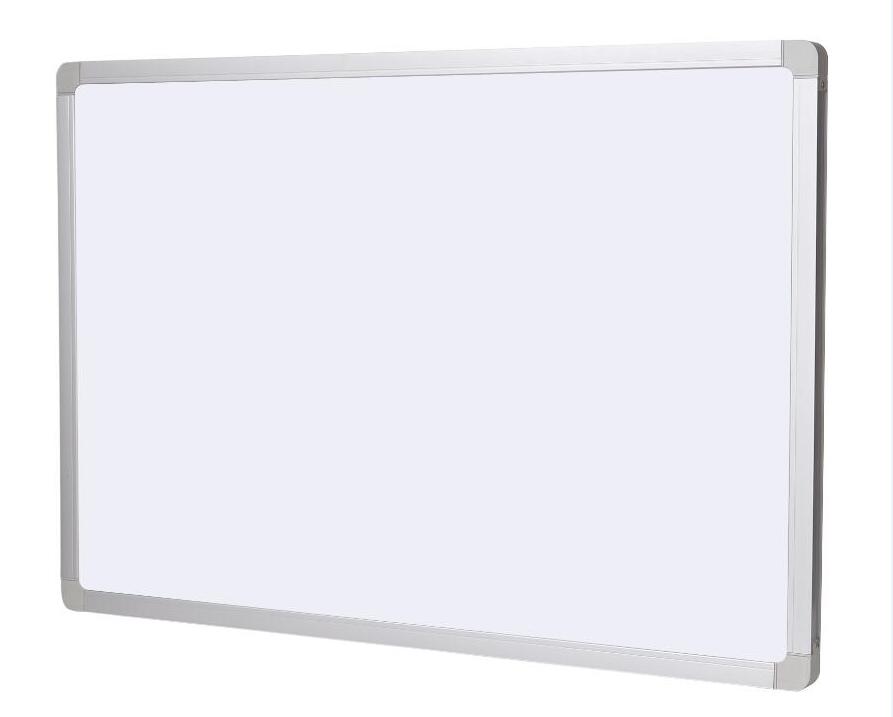
Modern educational environments demand versatile presentation tools that can adapt to various teaching styles and learning preferences. Among the most trusted tools in classrooms and training facilities worldwide, the flip chart stands out as an essential resource that bridges traditional teaching methods with interactive engagement. This portable presentation solution has earned its place as a cornerstone of effective instruction, offering educators the flexibility to create dynamic, visual learning experiences that resonate with diverse audiences.
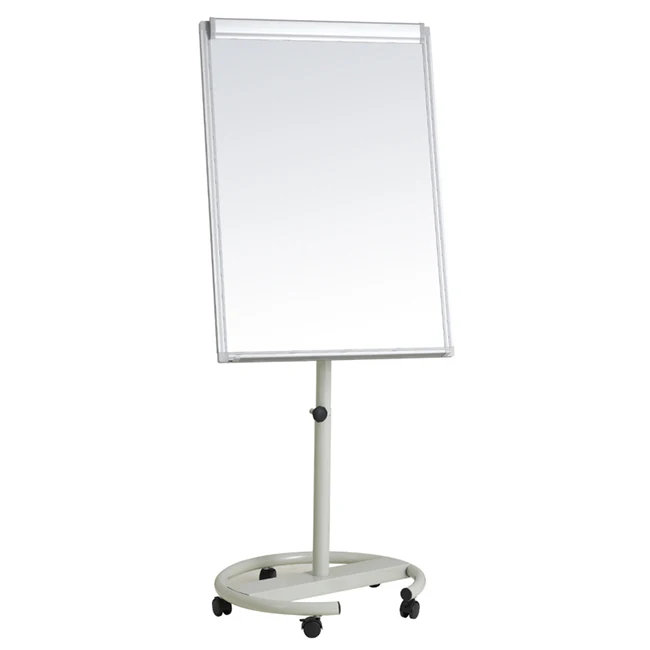
The enduring popularity of flip charts in educational settings stems from their unique ability to combine spontaneity with structure. Unlike digital presentations that require advance preparation, a flip chart allows instructors to adapt their content in real-time, responding to student questions and building upon emerging discussions. This adaptability makes flip charts particularly valuable in interactive workshops, brainstorming sessions, and collaborative learning environments where participant engagement drives the educational process.
Educational institutions across various sectors have consistently chosen flip charts as their preferred presentation tool due to their reliability and ease of use. From corporate training centers to elementary schools, these versatile boards provide a dependable platform for knowledge transfer that requires no technical expertise or complex setup procedures. The simplicity of a flip chart ensures that educators can focus on content delivery rather than troubleshooting equipment, creating a seamless learning experience for all participants.
Enhanced Visual Learning Through Interactive Presentation
Supporting Multiple Learning Styles
The effectiveness of any flip chart lies in its ability to accommodate various learning preferences within a single presentation format. Visual learners benefit from the clear, large-scale diagrams and written content that can be displayed prominently. Kinesthetic learners engage through the physical act of writing, drawing, or manipulating content on the board surface. Auditory learners participate through discussions that naturally arise when using flip charts as focal points for group activities.
Teachers frequently report improved student engagement when incorporating flip chart activities into their lesson plans. The tactile nature of writing on paper encourages participation from students who might otherwise remain passive during traditional lectures. This hands-on approach transforms abstract concepts into tangible visual representations that students can reference throughout the learning process.
Research in educational psychology consistently demonstrates that multi-sensory learning experiences produce better retention rates compared to single-mode instruction. A flip chart naturally integrates visual, auditory, and kinesthetic elements, creating rich learning environments that appeal to diverse cognitive processing styles within the same classroom setting.
Real-Time Content Development
One of the most significant advantages of using a flip chart in educational settings is the ability to develop content organically during instruction. Unlike pre-prepared presentations, flip charts allow educators to respond immediately to student questions, concerns, or insights by incorporating new information directly into the lesson flow. This responsiveness creates a collaborative learning atmosphere where students feel their contributions are valued and integrated into the educational experience.
Professional trainers particularly appreciate the flexibility that flip charts provide during workshop facilitation. Complex concepts can be broken down into manageable components through step-by-step visual development, allowing participants to follow the logical progression of ideas as they unfold. This methodical approach helps prevent information overload while maintaining participant engagement throughout extended training sessions.
The spontaneous nature of flip chart presentations also encourages creative problem-solving approaches. When unexpected questions arise, instructors can use the available space to work through solutions collaboratively with their audience, demonstrating thought processes and methodologies in real-time. This transparency in reasoning helps students develop critical thinking skills while observing expert problem-solving techniques.
Practical Benefits for Educational Environments
Portability and Accessibility
Modern educational facilities require presentation tools that can easily transition between different spaces and accommodate varying group sizes. A quality flip chart addresses these needs through portable design features that enable quick relocation and setup in multiple environments. Mobile stands with smooth-rolling wheels allow educators to move presentation surfaces between classrooms, conference rooms, and outdoor learning spaces without requiring additional personnel or complex logistics.
The accessibility of flip charts extends beyond physical mobility to include ease of use for educators with varying technical comfort levels. Unlike digital presentation systems that may require specialized training or technical support, flip charts operate through intuitive mechanisms that any instructor can master quickly. This user-friendly approach reduces barriers to adoption and ensures that educational content remains the primary focus rather than technology management.
Height-adjustable features on professional flip chart stands accommodate different user preferences and physical requirements, ensuring comfortable operation for educators of various statures. This ergonomic consideration becomes particularly important during extended teaching sessions where physical comfort directly impacts presentation quality and instructor effectiveness.
Cost-Effective Learning Solutions
Budget considerations play a crucial role in educational equipment selection, making the cost-effectiveness of flip charts a significant factor in their widespread adoption. Unlike digital alternatives that require substantial initial investments plus ongoing maintenance costs, flip charts provide long-term value through durable construction and minimal operational expenses. The primary recurring cost involves paper replacement, which remains economical compared to projector bulbs, software licenses, or technical service contracts.
Educational institutions appreciate the predictable expense structure associated with flip chart maintenance. Paper supplies can be purchased in bulk at discounted rates, and the absence of electronic components eliminates concerns about obsolescence or compatibility issues that frequently affect digital presentation equipment. This financial stability allows schools and training centers to allocate resources more effectively across other educational priorities.
The durability of well-constructed flip charts ensures years of reliable service under normal educational use conditions. Metal frames and quality hardware withstand frequent adjustments and transportation, while replaceable components extend equipment lifespan beyond typical budget cycles. This longevity makes flip charts particularly attractive to institutions seeking sustainable equipment investments.
Collaborative Learning Enhancement
Group Participation Dynamics
The physical presence of a flip chart naturally creates a focal point that draws group attention and encourages collaborative participation. Unlike individual device screens that can isolate learners, flip charts establish shared visual spaces where all participants can simultaneously view and contribute to developing content. This communal aspect fosters team building and collective problem-solving approaches that benefit professional development and academic learning objectives.
Workshop facilitators often observe increased willingness among participants to share ideas when flip charts are used as brainstorming tools. The large, visible format makes all contributions equally prominent, reducing hierarchical barriers that might inhibit participation in more formal presentation settings. This democratizing effect encourages diverse perspectives and creative solutions that might not emerge through other instructional methods.
Group dynamics research indicates that shared visual tools like flip charts promote more balanced participation among team members. The process of physically writing or drawing on the board naturally rotates speaking opportunities, preventing dominant personalities from monopolizing discussions while encouraging quieter participants to contribute their insights.
Documentation and Reference
The tangible nature of flip chart content provides lasting reference materials that participants can revisit throughout their learning journey. Unlike whiteboard content that must be erased or digital slides that require specific software to access, flip chart pages can be retained, photographed, or redistributed as permanent learning resources. This documentation capability adds significant value to training programs and educational workshops where follow-up reference is essential.
Many educators utilize flip chart pages as wall displays in classrooms, creating visual reminders of key concepts and student contributions that reinforce learning over extended periods. These displayed materials serve as conversation starters for subsequent lessons and help maintain continuity between related instructional units. The physical presence of student-generated content validates their contributions while providing ongoing motivation for continued participation.
Progressive revelation techniques become particularly effective when using flip charts with multiple pages. Instructors can prepare sequential content that builds upon previous concepts while maintaining the flexibility to adapt pacing based on student comprehension levels. This structured yet adaptable approach supports differentiated instruction strategies that accommodate varying learning speeds within the same classroom environment.
Technical Advantages in Modern Classrooms
Reliability and Independence
Educational technology failures can disrupt carefully planned lessons and create frustration for both instructors and students. Flip charts eliminate these concerns by operating independently of electrical power, internet connectivity, or software compatibility issues that frequently affect digital presentation systems. This reliability ensures that educational content delivery remains consistent regardless of technical infrastructure limitations or unexpected system failures.
Remote and rural educational facilities particularly benefit from the self-contained nature of flip chart presentations. Schools with limited technological resources or unreliable power supplies can maintain professional-quality instruction through flip charts that require no external support systems. This independence enables educational equity across diverse geographic and economic circumstances.
Emergency preparedness protocols in educational institutions often identify flip charts as essential backup presentation tools when primary systems become unavailable. Natural disasters, power outages, or technical malfunctions that might otherwise halt instruction can be managed through flip chart alternatives that maintain educational continuity during challenging circumstances.
Customization and Flexibility
The adaptability of flip chart presentations allows educators to customize content for specific audiences without requiring advanced technical skills or specialized software. Hand-drawn diagrams can be modified instantly to address particular learning needs or clarify complex concepts through personalized visual representations. This customization capability proves invaluable when working with diverse groups that require tailored approaches to achieve learning objectives.
Creative educators often combine multiple flip chart techniques within single presentations, utilizing different sections for various purposes such as agenda tracking, idea collection, or problem-solving frameworks. The large format provides sufficient space for simultaneous activities while maintaining visual organization that supports comprehension and reference throughout extended sessions.
Color coding and visual hierarchy techniques become particularly effective on flip chart surfaces where educators have complete control over presentation aesthetics. Important concepts can be emphasized through strategic use of colors, fonts, and spatial relationships that guide audience attention and reinforce key learning points without requiring digital design expertise.
Professional Development Applications
Corporate Training Excellence
Corporate trainers consistently choose flip charts for professional development programs because they facilitate interactive learning experiences that promote skill retention and practical application. Unlike passive video presentations or lecture-style delivery methods, flip chart sessions engage participants through collaborative exercises that mirror real workplace scenarios. This experiential approach helps bridge the gap between theoretical knowledge and practical implementation in professional environments.
Leadership development programs frequently incorporate flip chart activities that encourage team building and communication skill development. Participants practice presentation skills, facilitate group discussions, and demonstrate problem-solving approaches using flip charts as supportive tools. These experiences build confidence while developing competencies that transfer directly to workplace responsibilities.
Project management training sessions benefit significantly from flip chart methodology where complex workflows can be developed collaboratively. Teams can visualize project timelines, identify dependencies, and allocate resources through interactive planning sessions that utilize the large format space effectively. This hands-on approach to project planning creates shared understanding and commitment among team members.
Skill Building Through Practice
The interactive nature of flip chart presentations provides opportunities for participants to practice newly acquired skills in supportive environments. Role-playing exercises, case study analysis, and group problem-solving activities become more engaging when supported by visual documentation that tracks progress and maintains focus throughout extended learning sessions.
Communication skills development particularly benefits from flip chart integration where participants can practice explaining concepts visually while receiving immediate feedback from peers and instructors. The combination of verbal and visual communication challenges helps develop well-rounded presentation abilities that serve professionals throughout their careers.
Assessment and evaluation processes become more comprehensive when flip chart activities are incorporated into professional development programs. Instructors can observe participant engagement levels, collaboration skills, and creative problem-solving approaches through direct interaction rather than relying solely on written examinations or standardized assessments.
FAQ
What makes flip charts more effective than digital presentation tools in educational settings
Flip charts excel in educational environments primarily due to their interactive nature and reliability. Unlike digital tools that can experience technical failures or require specific software knowledge, flip charts provide immediate accessibility for both instructors and students. The tactile experience of writing on paper engages multiple learning styles simultaneously, while the ability to adapt content in real-time responds to emerging questions and discussion points. Additionally, flip charts create collaborative spaces where all participants can contribute equally, fostering inclusive learning environments that digital presentations often cannot match.
How do flip charts support different learning styles in classroom environments
A quality flip chart naturally accommodates visual, auditory, and kinesthetic learning preferences within a single presentation format. Visual learners benefit from large-scale diagrams, charts, and written content that remain visible throughout lessons. Auditory learners engage through discussions that develop around flip chart content, while kinesthetic learners participate through hands-on activities like writing, drawing, or physically manipulating information on the board. This multi-sensory approach creates rich learning experiences that improve retention rates compared to traditional single-mode instruction methods.
What are the primary cost advantages of using flip charts in educational institutions
Flip charts offer significant financial benefits through low initial investment costs and minimal ongoing expenses. Unlike digital presentation systems that require substantial upfront purchases plus recurring costs for maintenance, software licenses, and replacement parts, flip charts operate with simple paper replacement as the primary ongoing expense. The durable construction of professional flip chart stands ensures years of reliable service without obsolescence concerns that affect electronic equipment. This predictable cost structure allows educational institutions to allocate resources more effectively across other learning priorities.
Can flip charts effectively replace digital presentation tools in modern classrooms
While flip charts cannot completely replace digital tools in all situations, they provide essential complementary capabilities that often prove more effective for interactive learning objectives. The spontaneous content development possible with flip charts supports collaborative learning approaches that pre-prepared digital presentations cannot match. For brainstorming sessions, group discussions, and hands-on workshops, flip charts frequently outperform digital alternatives in engagement levels and learning outcomes. The most effective modern classrooms utilize both tools strategically, selecting flip charts when interaction and adaptability are priorities, while reserving digital presentations for content that benefits from multimedia elements or complex visual displays.
Table of Contents
- Enhanced Visual Learning Through Interactive Presentation
- Practical Benefits for Educational Environments
- Collaborative Learning Enhancement
- Technical Advantages in Modern Classrooms
- Professional Development Applications
-
FAQ
- What makes flip charts more effective than digital presentation tools in educational settings
- How do flip charts support different learning styles in classroom environments
- What are the primary cost advantages of using flip charts in educational institutions
- Can flip charts effectively replace digital presentation tools in modern classrooms