EN
EN


In today's fast-paced work environment, maintaining visibility of important information has become a critical challenge for businesses and individuals alike. A cork board serves as an effective solution for keeping essential notes, reminders, and documents prominently displayed where they can be easily accessed and referenced. This traditional yet versatile organizational tool continues to prove its worth in modern offices, educational institutions, and home workspaces by providing a dedicated space for visual communication and information management.
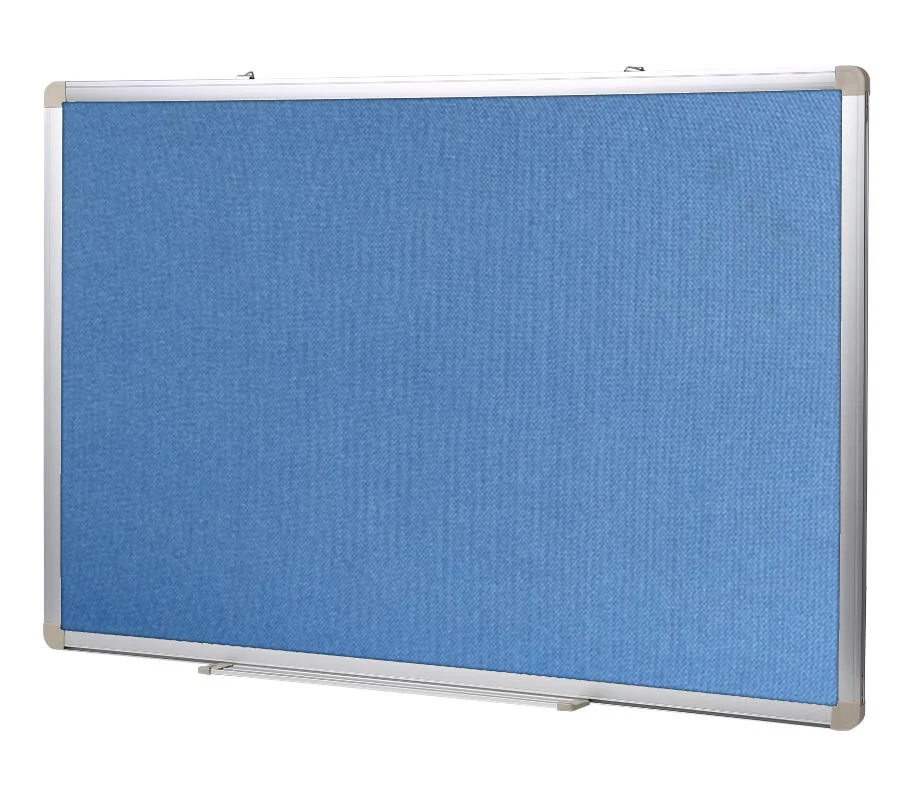
The effectiveness of a cork board lies in its simplicity and accessibility. Unlike digital displays that require power sources and technical maintenance, a cork board offers immediate visual access to posted information without any technological barriers. This reliability makes it an indispensable tool for environments where quick reference to important data is essential for daily operations and decision-making processes.
Essential Features That Make Cork Boards Effective for Note Display
Surface Material and Pin Retention Quality
The core functionality of any effective cork board depends heavily on the quality of its surface material. High-grade cork provides excellent pin retention capabilities while maintaining its structural integrity even after repeated use. The natural elasticity of quality cork ensures that pins can be inserted and removed multiple times without creating permanent damage or weakening the board's ability to securely hold documents.
Premium cork boards feature dense, fine-grained cork that offers superior holding power for various types of fasteners including pushpins, thumbtacks, and small nails. This material consistency prevents crumbling or deterioration that commonly occurs with lower-quality alternatives, ensuring long-term reliability for important note display applications.
Frame Construction and Mounting Options
The frame construction of a cork board significantly impacts both its durability and visual appeal in professional environments. Wooden frames provide classic aesthetics while offering robust structural support that prevents warping or sagging over time. Quality frame materials also contribute to the overall longevity of the board, protecting the cork surface from edge damage and environmental factors.
Modern cork board designs incorporate various mounting options to accommodate different installation requirements. Wall-mounted configurations offer space-efficient solutions for offices with limited floor space, while desktop versions provide portable options for individual workstations. The mounting system quality directly affects the board's stability and safety, particularly in high-traffic areas where frequent interaction is expected.
Strategic Placement Considerations for Maximum Visibility
Height and Viewing Angle Optimization
Proper placement height is crucial for maximizing the effectiveness of a cork board in keeping notes visible to all intended users. The optimal mounting height typically positions the center of the board at eye level for the average user, ensuring comfortable viewing without requiring excessive looking up or down. This ergonomic consideration becomes particularly important in shared workspaces where multiple individuals need regular access to posted information.
Viewing angle considerations also play a vital role in cork board placement strategy. Installing the board perpendicular to primary traffic flows ensures that posted notes remain legible from various approach directions. Avoiding placement in areas with harsh lighting or excessive shadows helps maintain consistent readability throughout different times of day.
Traffic Flow and Accessibility Planning
Strategic positioning relative to natural traffic patterns significantly enhances the visibility and utility of posted notes on a cork board. Locations near frequently used pathways, meeting room entrances, or common areas naturally increase the likelihood that important information will be seen by relevant personnel. This passive exposure method proves particularly effective for announcements, deadlines, and procedural reminders.
Accessibility considerations extend beyond physical reach to include factors such as lighting conditions, surrounding clutter, and competing visual elements. A well-positioned cork board should occupy a clear visual space that allows posted materials to stand out against the background and remain easily distinguishable from nearby objects or signage.
Organization Strategies for Enhanced Information Management
Zone-Based Content Arrangement
Implementing a systematic zone-based organization approach maximizes the information management potential of a cork board. Dedicating specific sections to different types of content such as urgent notifications, project updates, reference materials, and general announcements helps users quickly locate relevant information without scanning the entire board surface. This structured approach reduces time spent searching for specific notes and improves overall workplace efficiency.
Color-coding systems can further enhance zone-based organization by providing visual cues that immediately direct attention to appropriate content areas. Using consistent color schemes for different information categories creates an intuitive navigation system that becomes more effective as users become familiar with the organizational structure.
Rotation and Update Protocols
Establishing regular rotation and update protocols ensures that a cork board maintains its effectiveness as an information display tool. Outdated materials can quickly clutter the board and reduce the visibility of current, relevant information. Implementing systematic review schedules helps maintain an organized appearance while ensuring that displayed content remains accurate and useful.
Effective update protocols should include procedures for removing expired notices, rotating featured content, and maintaining clear sight lines to priority information. Regular maintenance not only improves the board's visual appeal but also reinforces its reliability as a source for current, actionable information.
Material Quality Impact on Long-Term Performance
Cork Density and Durability Factors
The density and quality of cork material directly influence a cork board's ability to maintain its note-holding capabilities over extended periods of use. Higher density cork provides better pin retention and resists the formation of holes that can compromise the board's structural integrity. Quality cork also maintains its elasticity longer, preventing the gradual loosening that occurs with frequent pin insertion and removal cycles.
Durability factors extend beyond basic pin retention to include resistance to environmental conditions such as humidity, temperature fluctuations, and UV exposure. Premium cork boards maintain their appearance and functionality even in challenging office environments, making them reliable long-term investments for professional settings where consistent performance is essential.
Frame Materials and Construction Quality
Frame construction quality significantly impacts both the longevity and professional appearance of a cork board installation. Solid wood frames provide superior durability compared to composite materials, resisting warping and maintaining structural integrity under various environmental conditions. Quality construction also ensures that the frame adequately supports the cork surface without sagging or creating uneven areas that could affect pin placement.
The finish quality of frame materials affects both aesthetics and maintenance requirements. Well-finished wooden frames resist moisture absorption and maintain their appearance with minimal maintenance, while providing a professional look that complements various office décor styles. This attention to construction quality ensures that the cork board remains an attractive and functional addition to the workspace environment.
Professional Applications and Use Cases
Corporate Communication Centers
In corporate environments, a cork board serves as an effective centralized communication hub where important announcements, policy updates, and organizational news can be prominently displayed. This application proves particularly valuable in areas where employees regularly gather, such as break rooms, main corridors, or reception areas, ensuring that critical information reaches the intended audience through passive exposure during routine activities.
Corporate communication applications benefit from the cork board's ability to display mixed media including printed documents, photographs, charts, and small objects. This versatility allows for creative presentation of information that might be less effective in purely digital formats, particularly for content that requires extended viewing or comparison between multiple elements.
Project Management and Team Coordination
Project management applications leverage the visual nature of a cork board to create dynamic displays of project timelines, task assignments, and progress indicators. Teams can use the board to maintain visible tracking of deliverables, deadlines, and resource allocation, providing a constant reminder of project status and upcoming requirements that supplements digital project management tools.
The tactile nature of cork board project displays allows for easy updates and modifications as projects evolve, without requiring technical skills or system access. This accessibility enables team members to contribute updates and maintain current information displays without depending on centralized administration or specialized software knowledge.
Integration with Digital Workflow Systems
Hybrid Information Display Strategies
Modern workplaces benefit from integrating cork board displays with digital workflow systems to create comprehensive information management strategies. Physical displays can highlight key information from digital systems, providing persistent visibility for critical data that might otherwise be buried in email threads or software applications. This hybrid approach combines the reliability of physical display with the efficiency of digital information processing.
Effective integration strategies involve identifying information types that benefit most from physical display, such as emergency procedures, daily priorities, or frequently referenced contact information. By carefully selecting content for cork board display, organizations can enhance their overall information accessibility without duplicating efforts or creating conflicting information sources.
Backup and Redundancy Benefits
A cork board provides valuable backup capabilities for critical information that might be temporarily inaccessible through digital systems due to technical issues, power outages, or network problems. This redundancy proves particularly important for safety information, emergency procedures, and other essential data that must remain accessible regardless of technical circumstances.
The independence of cork board displays from technological infrastructure makes them reliable information sources during system maintenance periods or unexpected technical difficulties. This characteristic ensures continuity of information access and maintains operational efficiency even when digital systems are temporarily unavailable.
FAQ
How often should content on a cork board be updated to maintain effectiveness
Content on a cork board should be reviewed and updated at least weekly to maintain its effectiveness as an information display tool. Regular updates prevent the accumulation of outdated materials that can clutter the board and reduce visibility of current information. Establishing a consistent schedule for content review ensures that displayed materials remain relevant and accurate, which maintains user trust in the board as a reliable information source.
What size cork board is most effective for office environments
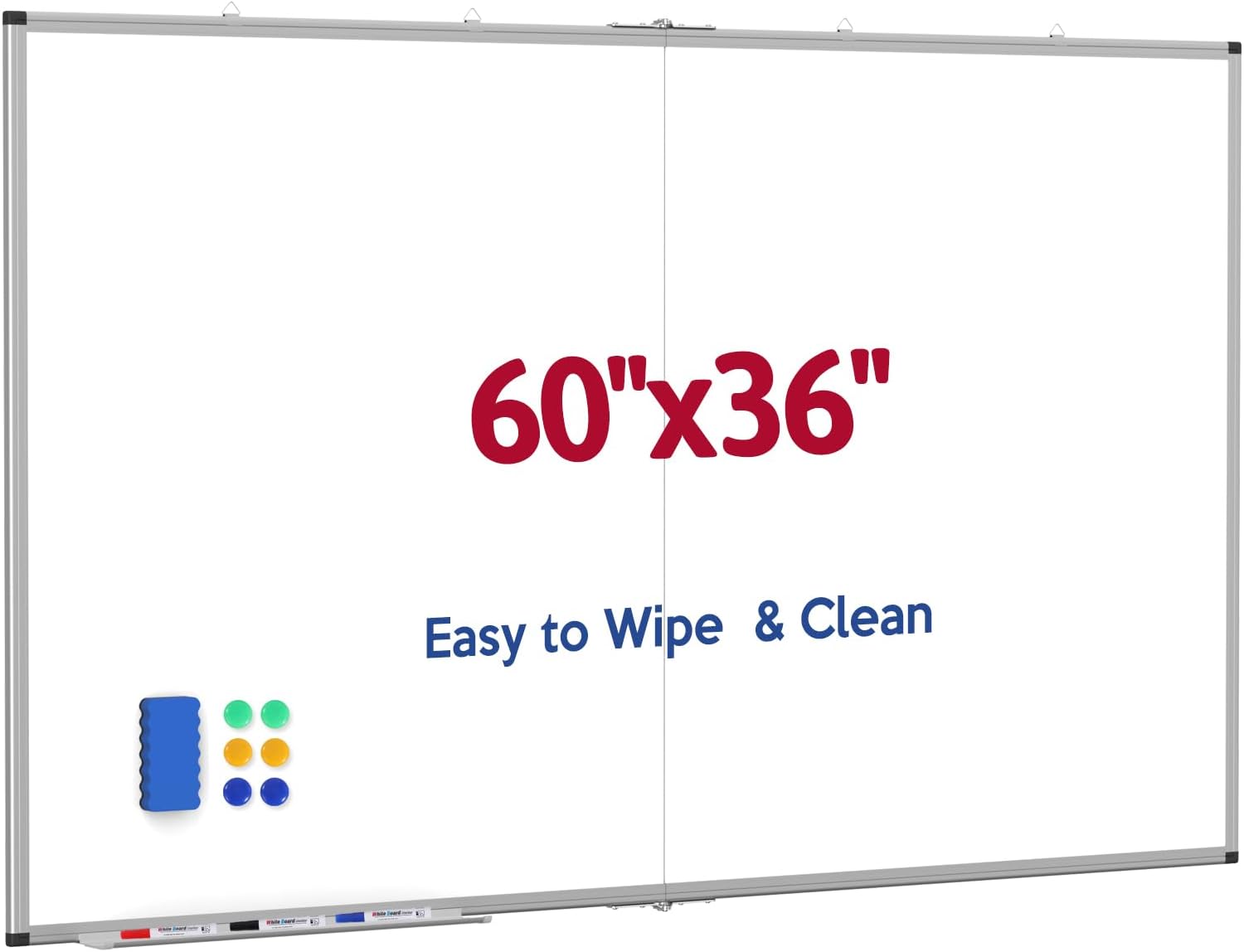
The most effective cork board size for office environments typically ranges from 24x36 inches to 48x36 inches, depending on the intended use and available wall space. Larger boards provide more display area for comprehensive information sharing, while smaller boards work well for focused, high-priority content. The key is selecting a size that provides adequate display space without overwhelming the available wall area or creating visual clutter in the workspace.
Can cork boards be used effectively in high-humidity environments
Quality cork boards can function effectively in moderate humidity environments when constructed with appropriate materials and finishes. However, extreme humidity conditions may cause cork expansion and potential warping of lower-quality boards. For high-humidity environments, selecting cork boards with moisture-resistant treatments and solid frame construction helps maintain performance and appearance over time.
What types of fasteners work best for securing documents to cork boards
Standard pushpins and thumbtacks work most effectively for securing lightweight documents to cork boards, while small finishing nails or map pins provide better holding power for heavier materials. Colored pins can enhance organization by creating visual coding systems for different types of content. Avoiding oversized fasteners helps preserve the cork surface and maintains the board's long-term pin-holding capabilities.
Table of Contents
- Essential Features That Make Cork Boards Effective for Note Display
- Strategic Placement Considerations for Maximum Visibility
- Organization Strategies for Enhanced Information Management
- Material Quality Impact on Long-Term Performance
- Professional Applications and Use Cases
- Integration with Digital Workflow Systems
- FAQ