EN
EN


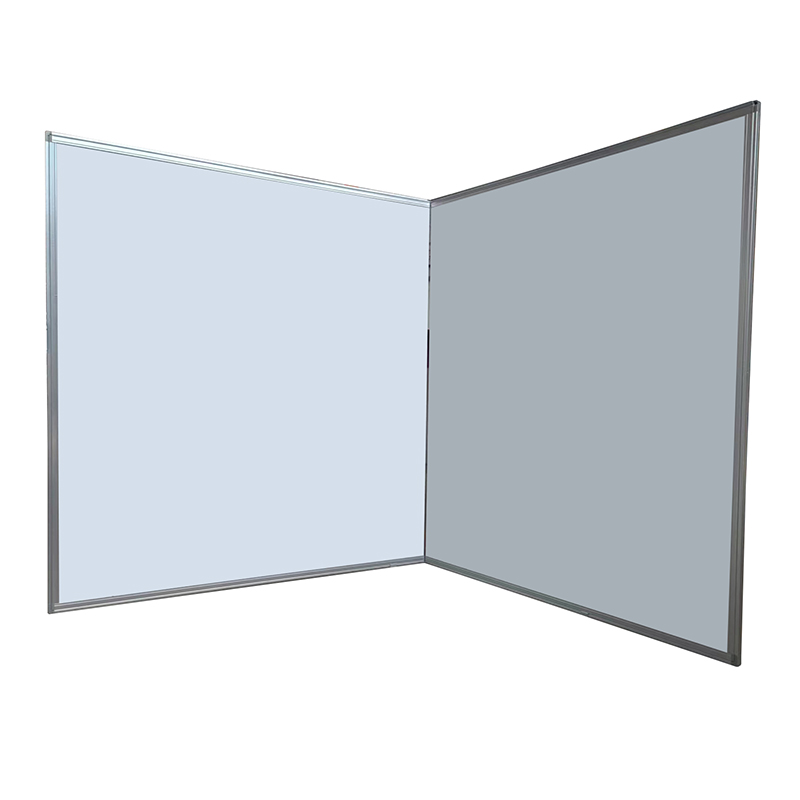
Modern workplaces and educational institutions require versatile communication tools that can adapt to changing needs while maintaining professional aesthetics. A cork board represents one of the most effective and time-tested solutions for displaying information, organizing tasks, and creating collaborative spaces. These natural bulletin boards offer unique properties that make them ideal for environments where visual communication and flexible organization are essential for productivity and learning outcomes.
The growing emphasis on sustainable materials and ergonomic workspace design has renewed interest in cork board applications across various professional settings. From corporate offices to university lecture halls, these boards provide an environmentally friendly alternative to synthetic materials while delivering superior functionality. Understanding the comprehensive benefits of implementing cork board systems can help organizations make informed decisions about their communication infrastructure and workspace optimization strategies.
Functional Benefits and Practical Applications
Superior Pin Retention and Surface Durability
The cellular structure of cork provides exceptional pin retention properties that surpass conventional bulletin board materials. When pins are inserted into a cork board, the compressed cells create a secure grip that prevents documents from falling or shifting over time. This natural elasticity ensures that even heavy materials like laminated charts or thick reports remain firmly attached without requiring multiple pins or additional support mechanisms.
Cork's inherent resilience means that repeated pin insertions and removals do not compromise the board's integrity. Unlike foam-based alternatives that develop permanent holes and degraded areas, a quality cork board maintains its structural properties through thousands of use cycles. This durability translates to lower replacement costs and consistent performance throughout the product's extended lifespan, making it an economical choice for high-traffic environments.
Versatile Display Options and Organization Capabilities
Modern cork board designs accommodate various organizational systems and display requirements. Users can create custom layouts using colored pins, string systems, or removable dividers to segment information by category, priority, or time sensitivity. This flexibility supports different working styles and allows teams to develop personalized organization methods that enhance their specific workflow requirements.
The natural texture of cork provides visual contrast that makes posted materials more readable and prominent. Documents maintain better visibility against the cork surface compared to smooth white boards or synthetic alternatives. This enhanced readability reduces eye strain and improves information retention, particularly important in educational settings where students need to quickly process and reference displayed content throughout extended periods.
Environmental Advantages and Sustainability Features
Renewable Resource Benefits and Carbon Footprint
Cork harvesting represents one of the most sustainable forestry practices available, as cork oak trees are not cut down during the extraction process. The bark regenerates completely within eight to ten years, allowing the same trees to provide cork for centuries while continuing to absorb carbon dioxide and support local ecosystems. This renewable cycle makes cork board selection an environmentally responsible choice that aligns with modern sustainability initiatives.
Manufacturing processes for cork products typically require minimal energy input compared to synthetic alternatives. The natural properties of cork eliminate the need for chemical treatments or artificial additives in most applications, reducing the environmental impact of production and disposal. Organizations pursuing green building certifications or environmental stewardship goals find that cork board installations contribute positively to their sustainability metrics and corporate responsibility objectives.
Indoor Air Quality and Health Considerations
Cork's natural antimicrobial properties help maintain healthier indoor environments by resisting mold, mildew, and bacterial growth. This characteristic is particularly valuable in educational settings and healthcare facilities where air quality directly impacts occupant health and comfort. Unlike synthetic materials that may emit volatile organic compounds over time, cork boards contribute to improved indoor air quality through their natural composition and absence of harmful chemicals.
The hypoallergenic nature of cork makes it suitable for sensitive individuals who may react to synthetic materials or chemical treatments. This natural compatibility reduces workplace health concerns and creates more inclusive environments where all team members can work comfortably. The thermal and acoustic insulation properties of cork board installations also contribute to overall workspace comfort by moderating temperature fluctuations and reducing ambient noise levels.
Professional Aesthetics and Design Integration
Visual Appeal and Workspace Enhancement
The natural grain and warm coloration of cork board surfaces complement various interior design schemes without overwhelming existing aesthetics. Unlike stark white boards or industrial-looking metal surfaces, cork provides visual warmth that creates welcoming environments conducive to collaboration and creativity. This aesthetic appeal makes cork board installations appropriate for client-facing areas and executive offices where professional appearance is paramount.
Design flexibility allows cork board integration into custom millwork, decorative frames, or modular wall systems. Architects and interior designers frequently specify cork board elements as functional art pieces that serve dual purposes of information display and visual interest. This integration capability enables organizations to maintain cohesive design standards while incorporating essential communication tools throughout their facilities.
Customization Options and Size Flexibility
Manufacturing processes allow cork board production in virtually any size or configuration to meet specific spatial requirements. From small desktop organizers to expansive wall installations, cork board systems can be tailored to fit available space while maximizing functional surface area. Custom cutting and edge finishing options ensure professional installation appearances that integrate seamlessly with existing architectural elements.
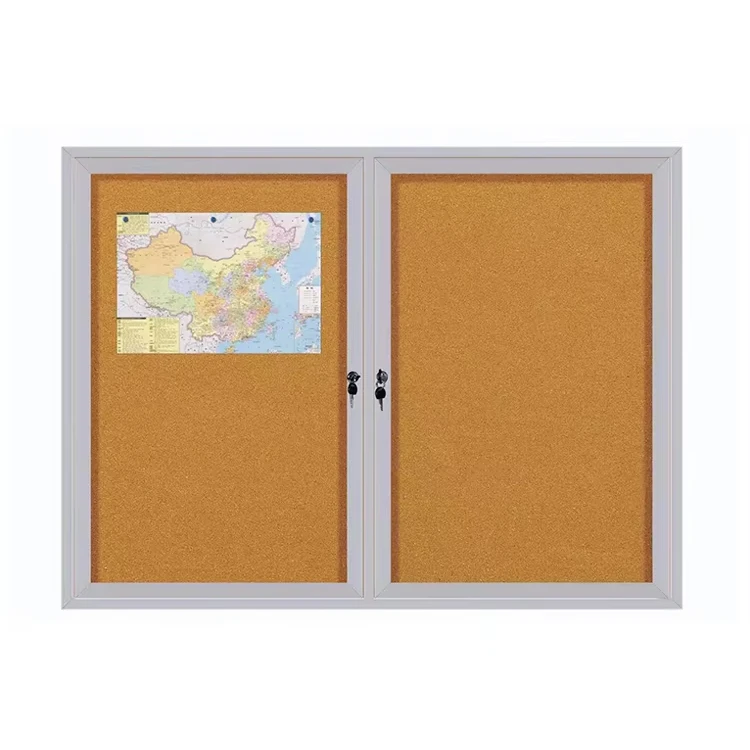
Specialty applications include magnetic cork board combinations, fabric-covered surfaces, and enclosed display cases that protect sensitive information while maintaining accessibility. These customization options enable organizations to specify exactly the functionality they need without compromising on appearance or performance. The ability to incorporate corporate colors, logos, or specific design elements further enhances the professional integration of cork board systems.
Cost-Effectiveness and Long-Term Value
Initial Investment and Maintenance Requirements
While quality cork board installations may require higher initial investment compared to basic alternatives, the long-term cost benefits become apparent through reduced maintenance and replacement needs. Cork's natural durability eliminates the frequent board replacements necessary with foam or synthetic surfaces that deteriorate under normal use conditions. This longevity translates to lower total cost of ownership over the product's useful life.
Maintenance requirements for cork board installations are minimal, typically involving only periodic cleaning with mild soap solutions or vacuuming to remove dust accumulation. The natural resilience of cork prevents the warping, cracking, or surface degradation common in alternative materials, reducing the need for repairs or touch-up work. This low maintenance characteristic is particularly valuable in educational environments where facilities management resources are often limited.
Productivity Benefits and ROI Considerations
Effective visual communication systems contribute measurably to workplace productivity and educational outcomes. Cork board installations facilitate better information sharing, project tracking, and collaborative planning processes that directly impact organizational efficiency. The improved accessibility and visibility of important information reduces time spent searching for documents or coordinating team communications, creating quantifiable productivity gains.
Educational research indicates that visual learning aids, including properly implemented cork board displays, enhance student engagement and information retention. Schools and universities that invest in quality display systems often report improved academic performance and better classroom management outcomes. These benefits justify the cork board investment through enhanced educational effectiveness and reduced administrative overhead associated with communication challenges.
Installation Considerations and Technical Specifications
Mounting Systems and Structural Requirements
Professional cork board installation requires appropriate mounting hardware designed to distribute weight evenly across wall surfaces. The density of cork materials creates specific load requirements that must be addressed through proper fastening systems and wall preparation. Consultation with experienced installers ensures that mounting solutions provide adequate support while protecting wall integrity over the installation's lifespan.
Different wall types require specialized mounting approaches, from masonry anchors for concrete walls to hollow wall fasteners for drywall applications. The thickness and density of specific cork board products influence the mounting hardware selection and spacing requirements. Professional installation teams understand these technical considerations and can recommend appropriate solutions that ensure long-term stability and performance of cork board systems.
Climate Considerations and Performance Factors
Cork's natural properties provide stability across normal indoor temperature and humidity ranges, but extreme conditions may affect performance and appearance. Understanding the environmental limitations helps ensure optimal cork board selection for specific climatic conditions and HVAC system capabilities. Proper environmental control maintains the natural properties of cork and prevents degradation that could compromise functionality.
Sealed or enclosed cork board systems provide additional protection in challenging environments while maintaining the natural benefits of cork materials. These specialized installations are particularly valuable in coastal areas, industrial settings, or locations with significant temperature variations. The investment in appropriate environmental protection extends the useful life of cork board installations and maintains their professional appearance throughout changing seasonal conditions.
FAQ
How long does a quality cork board typically last in an office environment
A well-manufactured cork board can provide 15-20 years of reliable service in typical office conditions with proper care and maintenance. The natural resilience of cork allows it to withstand thousands of pin insertions while maintaining its structural integrity and pin-holding capability. Regular cleaning and avoiding exposure to excessive moisture or direct sunlight will maximize the lifespan and maintain the professional appearance of your cork board installation.
Can cork boards be used in outdoor or semi-outdoor applications
While natural cork has some weather resistance, extended outdoor exposure can cause deterioration and should be avoided unless the cork board is specifically designed and protected for exterior use. Semi-outdoor applications like covered walkways or enclosed courtyards may be suitable with proper protection from direct moisture exposure. For true outdoor applications, consider enclosed cork board systems with weather-resistant housing that protects the cork surface while maintaining accessibility.
What is the best way to clean and maintain cork board surfaces
Regular maintenance involves gentle vacuuming or brushing to remove dust and debris from the cork surface texture. For deeper cleaning, use a slightly damp cloth with mild soap solution, avoiding excessive moisture that could penetrate the cork material. Allow complete drying before resuming normal use, and avoid harsh chemicals or abrasive cleaners that could damage the natural cork fibers and compromise the board's pin-holding properties.
Are there size limitations for custom cork board installations
Cork board panels can be manufactured in large dimensions, but practical size limitations depend on transportation, handling, and installation constraints rather than material capabilities. Very large installations typically use multiple panels with coordinated seams to achieve the desired coverage area. Professional installers can design modular systems that provide seamless appearance while accommodating the logistical requirements of large-scale cork board projects in commercial or institutional settings.