EN
EN


In today's fast-paced work environments and educational settings, maintaining organization and effective communication remains a constant challenge. A cork board serves as one of the most versatile and reliable solutions for displaying information, organizing tasks, and creating collaborative spaces. These traditional yet highly effective organizational tools have evolved to meet modern needs while maintaining their fundamental appeal as accessible, customizable display surfaces.
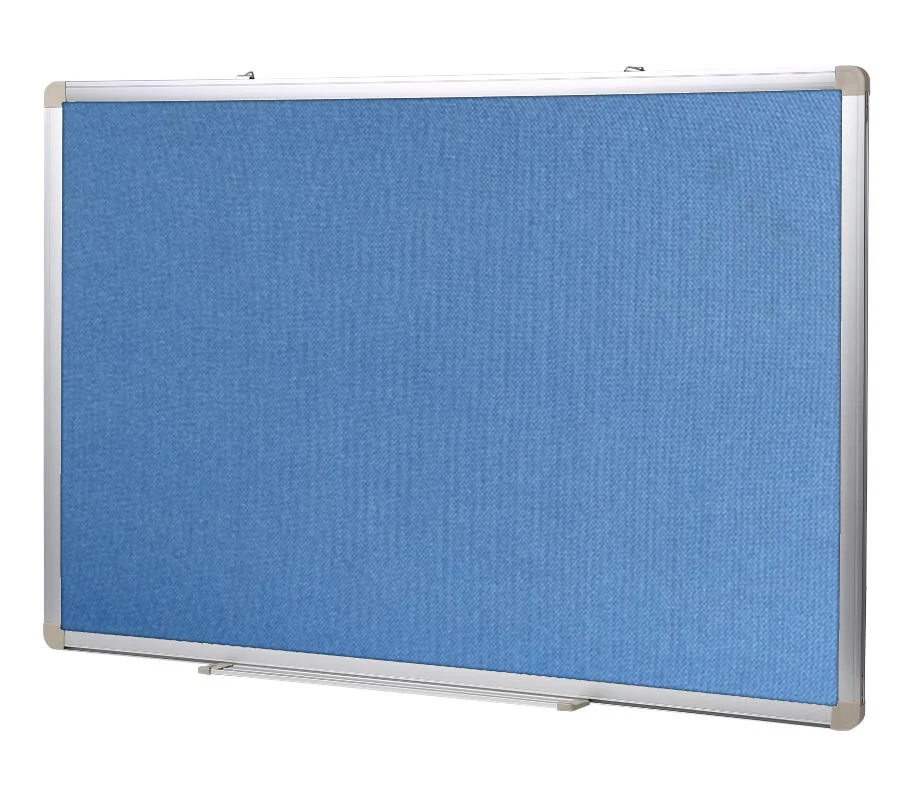
The enduring popularity of cork board solutions stems from their unique combination of functionality, affordability, and adaptability. Unlike digital alternatives that require power sources and technical maintenance, a cork board provides instant accessibility and requires minimal upkeep. This makes them particularly valuable in environments where reliable, low-maintenance organization systems are essential for daily operations.
Modern cork board designs have expanded beyond basic functionality to incorporate aesthetic elements that complement contemporary office and classroom decor. These improvements have positioned cork boards as both practical tools and design elements that contribute to professional and educational environments. Understanding how to effectively implement cork board systems can significantly impact organizational efficiency and communication effectiveness.
Essential Applications in Professional Environments
Project Management and Task Tracking
Professional environments benefit significantly from cork board implementation for project management purposes. Teams can create visual project timelines, track milestone achievements, and maintain constant visibility of critical deadlines. The tactile nature of pinning and repositioning materials on a cork board creates a more engaging interaction compared to digital alternatives, fostering better team involvement and accountability.
Task prioritization becomes more intuitive when team members can physically manipulate project cards and documents on a cork board surface. This hands-on approach to project management allows for spontaneous brainstorming sessions and real-time adjustments that enhance collaborative decision-making processes. The visual representation of work progress helps maintain team focus and motivation throughout project lifecycles.
Strategic placement of cork board systems in common areas ensures maximum visibility and accessibility for all team members. This positioning strategy encourages regular interaction with project information and promotes continuous awareness of team objectives and individual responsibilities.
Communication and Announcement Displays
Corporate communication strategies benefit from cork board installations that provide dedicated spaces for important announcements, policy updates, and company news. These displays create centralized information hubs that employees can access without requiring digital devices or network connectivity. The physical presence of a cork board announcement ensures information remains visible even during system outages or technical difficulties.
Employee recognition programs gain enhanced visibility through cork board displays that showcase achievements, milestones, and team accomplishments. This approach to recognition creates lasting impressions and encourages continued excellence among staff members. The permanent nature of cork board displays allows achievements to remain visible longer than digital notifications that quickly disappear from view.
Internal communication effectiveness improves when organizations establish clear protocols for cork board usage, including designated sections for different types of information and regular update schedules. These protocols ensure that cork board displays remain current, relevant, and useful for all employees while preventing information overload or outdated content accumulation.
Educational Environment Implementations
Student Assignment and Progress Tracking
Educational institutions leverage cork board systems to create dynamic learning environments that support student engagement and academic progress monitoring. Teachers can display assignment rubrics, project examples, and student work samples that serve as learning references and motivation tools. The visual accessibility of academic expectations helps students understand requirements and strive for excellence in their work.
Classroom cork board installations enable teachers to create interactive learning stations where students can post questions, share insights, and contribute to collaborative learning experiences. This participatory approach to education encourages student involvement and creates opportunities for peer-to-peer learning that extends beyond traditional lecture formats.
Progress tracking systems implemented through cork board displays allow students to visualize their academic journey and celebrate achievements along the way. These visual progress indicators help maintain student motivation and provide clear feedback on learning outcomes. The physical interaction with progress markers creates more meaningful connections to academic goals than purely digital tracking systems.
Creative Expression and Collaborative Learning
Art and creative writing programs utilize cork board surfaces to showcase student creations and inspire continued artistic development. The ability to easily change and update displays allows teachers to maintain fresh, inspiring environments that reflect current student work and seasonal themes. This dynamic approach to classroom decoration creates engaging learning atmospheres that support creative thinking and expression.
Collaborative learning projects benefit from cork board systems that allow multiple students to contribute ideas, research findings, and project components in shared spaces. These collaborative displays foster teamwork skills and create opportunities for students to learn from each other's perspectives and approaches to problem-solving.
Subject-specific cork board applications support specialized learning objectives across different academic disciplines. Science classrooms can display experiment procedures and results, while history classes can create timeline displays that help students visualize chronological relationships between events and concepts.
Design Considerations and Optimization Strategies
Space Planning and Layout Optimization
Effective cork board implementation requires careful consideration of available wall space, traffic patterns, and viewing angles to maximize functionality and accessibility. Strategic placement ensures that cork board displays receive appropriate attention without creating congestion or visual clutter in work or learning environments.
Size selection for cork board installations depends on intended usage patterns, content volume requirements, and available mounting space. Larger installations support comprehensive project displays and extensive information sharing, while smaller boards work effectively for focused communications and individual workspace organization.
Multi-panel cork board configurations provide flexibility for complex organizational needs and allow for categorized information display. These expanded systems can accommodate growing information needs while maintaining organized, professional appearances that enhance rather than detract from environmental aesthetics.
Maintenance and Longevity Planning
Long-term cork board performance depends on proper installation techniques, appropriate pin selection, and regular maintenance schedules that preserve surface integrity and visual appeal. Quality cork board materials resist pin damage and maintain smooth surfaces that continue to hold materials securely over extended usage periods.
Pin management strategies prevent excessive perforation and surface degradation that can compromise cork board functionality. Rotating pin placement areas and using appropriate pin types help maintain surface quality and extend the useful life of cork board installations.
Cleaning and refresh protocols ensure that cork board surfaces remain attractive and professional while removing accumulated debris and outdated materials. Regular maintenance activities preserve the professional appearance necessary for business and educational environments.
Integration with Modern Workspace Design
Aesthetic Compatibility and Visual Appeal
Contemporary cork board designs incorporate frame materials, colors, and finishes that complement modern office and classroom aesthetics while maintaining traditional functionality. These design improvements allow cork board installations to enhance rather than detract from carefully planned interior design schemes.
Customization options for cork board installations include various frame styles, mounting hardware, and surface treatments that align with specific design requirements and organizational branding guidelines. These personalization opportunities ensure that cork board systems integrate seamlessly with existing decor elements and architectural features.
Color coordination possibilities allow cork board installations to support specific design themes while maintaining their primary organizational functions. Neutral tones provide versatile compatibility, while custom colors can reinforce brand identity or create focal points within larger design schemes.
Technology Integration and Hybrid Solutions
Modern organizational strategies combine traditional cork board functionality with digital elements to create hybrid communication systems that leverage the benefits of both approaches. These integrated solutions maintain the tactile benefits of cork board usage while incorporating QR codes, digital displays, or mobile connectivity features.
Smart cork board concepts incorporate sensors, digital overlays, or connectivity features that enhance traditional functionality without compromising the fundamental accessibility and simplicity that make cork board systems valuable. These innovations maintain user-friendly interfaces while adding technological capabilities.
Documentation and archival strategies utilize digital photography and cloud storage to preserve important cork board content while maintaining physical display capabilities. This approach creates backup systems that protect valuable information while preserving the collaborative and visual benefits of physical cork board usage.
Cost-Effectiveness and Return on Investment
Budget-Friendly Organizational Solutions
Cork board installations provide exceptional value compared to digital alternatives, requiring minimal initial investment and virtually no ongoing operational costs. This cost-effectiveness makes cork board systems accessible to organizations with limited budgets while delivering substantial organizational benefits that improve productivity and communication effectiveness.
Long-term cost analysis demonstrates that cork board systems require significantly lower total cost of ownership compared to digital display alternatives that require power consumption, software licensing, and technical support. The durability and low maintenance requirements of quality cork board installations provide years of reliable service with minimal additional investment.
Scalability advantages allow organizations to expand cork board systems gradually as needs grow, without requiring major infrastructure investments or technical upgrades. This flexibility supports organizational growth while maintaining cost control and ensuring that expansion decisions align with actual usage requirements and budget constraints.
Productivity and Efficiency Improvements
Workplace efficiency gains from cork board implementation include reduced time spent searching for information, improved team communication, and enhanced project visibility that supports better decision-making processes. These productivity improvements generate measurable returns on investment that justify cork board system implementation costs.
Educational outcomes improve when students and teachers have access to well-organized information displays that support learning objectives and classroom management requirements. The positive impact on educational effectiveness demonstrates the value of cork board investments in academic environments.
Reduced digital dependence through cork board usage decreases technical support requirements and eliminates connectivity-related disruptions that can impact organizational productivity. This reliability benefit becomes particularly valuable during technical difficulties or infrastructure updates that might otherwise interrupt information access and communication processes.
FAQ
What size cork board works best for office environments
Office cork board sizing depends on intended usage and available wall space, but most professional environments benefit from boards measuring 3x4 feet or larger to accommodate project displays, announcements, and team communications effectively. Smaller boards work well for individual workstations, while larger installations serve common areas and collaborative spaces more effectively.
How often should cork board content be updated
Content update frequency varies by application, but most effective cork board systems benefit from weekly reviews to remove outdated materials and add current information. Project-focused boards may require daily updates during active phases, while announcement boards typically need bi-weekly or monthly refreshes to maintain relevance and visual appeal.
Can cork boards be customized for specific branding requirements
Modern cork board manufacturers offer extensive customization options including frame colors, materials, sizes, and mounting hardware that align with organizational branding and design requirements. Custom printing options can add logos or specific design elements that reinforce brand identity while maintaining functional cork surface areas for daily usage.
What maintenance is required for long-term cork board performance
Cork board maintenance involves periodic surface cleaning with appropriate materials, strategic pin placement rotation to prevent excessive wear patterns, and occasional frame inspection to ensure secure mounting. Quality cork boards require minimal maintenance but benefit from gentle cleaning and proper pin usage that preserves surface integrity over extended periods.