EN
EN




Modern workplaces demand flexibility and adaptability more than ever before. Organizations are constantly seeking solutions that enable teams to collaborate effectively while maintaining the agility to reconfigure spaces as needed. A whiteboard with stand represents one of the most versatile tools for creating dynamic work environments that can evolve with changing business requirements. These portable collaboration solutions eliminate the constraints of wall-mounted boards and provide unprecedented freedom in workspace design.
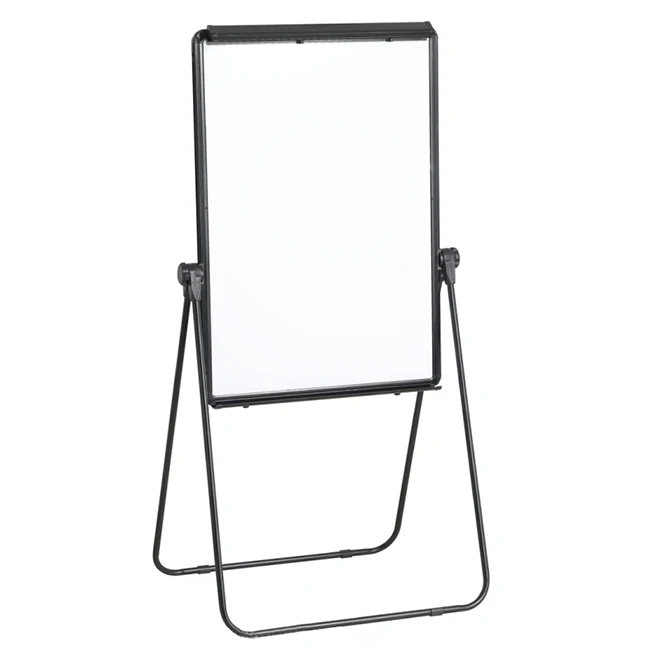
The shift toward flexible workspaces has accelerated dramatically in recent years, driven by hybrid work models and the need for spaces that serve multiple functions. Traditional fixed installations struggle to meet these evolving demands, while mobile solutions offer the versatility that contemporary organizations require. Mobile whiteboards enable teams to transform any area into a collaborative workspace within minutes, supporting everything from impromptu brainstorming sessions to structured project planning meetings.
Professional environments benefit immensely from tools that adapt to various scenarios rather than limiting teams to predefined configurations. The ability to move collaboration surfaces where they are needed most represents a fundamental shift in how we approach workspace optimization and team productivity.
Enhanced Mobility and Workspace Reconfiguration
Seamless Movement Between Locations
A high-quality whiteboard with stand transforms any location into an instant collaboration hub. Unlike permanently mounted boards that restrict teams to specific rooms, mobile units can be relocated within seconds to accommodate changing group sizes, lighting conditions, or meeting dynamics. This mobility proves particularly valuable in open office environments where teams need to establish temporary boundaries for focused work or confidential discussions.
The wheels and casters on professional-grade mobile whiteboards are engineered for smooth movement across various floor surfaces without marking or damaging flooring materials. Teams can effortlessly reposition boards from conference rooms to training areas, from reception spaces to outdoor patios, ensuring that collaboration surfaces are always available where ideas emerge naturally.
Modern workplaces often feature multiple zones designed for different activities, and mobile whiteboards bridge these spaces seamlessly. Whether transitioning from individual work areas to team collaboration zones or moving between formal presentation spaces and casual meeting nooks, these versatile tools eliminate the friction traditionally associated with workspace transitions.
Multi-Room Functionality
Organizations with multiple meeting spaces can maximize their investment by utilizing mobile whiteboards across different rooms rather than purchasing separate fixed installations for each location. A single whiteboard with stand can serve morning strategy sessions in the executive conference room, afternoon training workshops in the learning center, and evening client presentations in the main meeting hall.
This multi-room functionality extends beyond cost savings to include improved resource utilization and reduced scheduling conflicts. Teams no longer compete for rooms equipped with collaboration tools because they can bring the necessary resources to any available space. The result is more efficient space utilization and fewer bottlenecks in meeting room scheduling.
Event-driven organizations particularly benefit from this flexibility, as mobile whiteboards can be deployed quickly for conferences, workshops, or special presentations without requiring permanent modifications to various venues. The ability to maintain consistent visual collaboration tools across different spaces ensures continuity in meeting quality and participant experience.
Optimizing Collaboration and Team Dynamics
Improved Group Engagement
Positioning flexibility directly impacts participant engagement levels during collaborative sessions. A whiteboard with stand can be adjusted to optimal viewing angles and heights, ensuring all team members have clear sightlines regardless of their seating arrangements or physical stature. This positioning flexibility eliminates the common problems of participants straining to see content or being excluded from visual discussions due to fixed board placement.
The ability to reorient the board throughout a session keeps energy levels high and maintains focus on evolving discussion topics. Facilitators can rotate the board to face different sections of the room as conversation flows naturally, or position it centrally for inclusive group work where everyone contributes equally to the visual content creation process.
Research indicates that participants are more likely to contribute actively when they feel physically included in the collaboration space. Mobile whiteboards eliminate barriers to participation by adapting to group dynamics rather than forcing groups to adapt to fixed constraints. This leads to more inclusive meetings and better idea generation outcomes.
Flexible Group Size Accommodation
Different meeting types require different spatial configurations, and mobile whiteboards excel at accommodating these varying requirements. Small team huddles benefit from intimate positioning where the board serves as a focal point for close collaboration, while larger presentations require broader positioning to ensure visibility across extended seating arrangements.
The standalone design of mobile units allows for creative positioning that would be impossible with wall-mounted alternatives. Teams can position the whiteboard with stand at angles, create multiple viewing perspectives, or even use it as a room divider to create separate discussion areas within larger spaces. This versatility supports various facilitation techniques and meeting methodologies.
Project teams working on complex initiatives often need to switch between detailed work requiring close proximity and broad overview sessions needing distance perspective. Mobile whiteboards accommodate these transitions seamlessly, supporting different phases of project work without requiring room changes or extended setup time.
Storage and Space Efficiency Benefits
Compact Storage Solutions
When not in active use, a quality whiteboard with stand can be stored efficiently in minimal space, unlike fixed installations that permanently occupy wall real estate. Many mobile units feature folding or nesting capabilities that reduce their footprint significantly when stored, making them ideal for organizations that need to maximize space utilization across multiple functions.
Storage areas, closets, and even corners of rooms can accommodate mobile whiteboards when they are not needed for active collaboration. This space efficiency becomes particularly valuable in urban offices where real estate costs are high and every square foot must serve multiple purposes throughout the day.
The ability to store collaboration tools when not needed also contributes to cleaner, less cluttered work environments. Spaces can be quickly reconfigured for different purposes, from collaborative work sessions to formal presentations to social gatherings, without permanent fixtures limiting the transformation possibilities.
Multi-Purpose Room Optimization
Modern organizations often design rooms to serve multiple functions rather than dedicating spaces to single purposes. A whiteboard with stand supports this multi-purpose approach by providing collaboration capabilities that can be present when needed and absent when the space serves other functions. Training rooms can transform into social areas, conference rooms can become workspace extensions, and reception areas can accommodate impromptu client presentations.
This optimization extends to temporary events and special occasions where spaces need rapid reconfiguration. Mobile whiteboards can be deployed quickly for workshops, removed for social functions, and repositioned for presentations without requiring advance planning or professional setup services. The result is more versatile facilities that adapt to changing organizational needs.
Property managers and facility coordinators appreciate the flexibility that mobile collaboration tools provide in space planning and utilization tracking. Rooms can serve broader purposes while still maintaining the capability to support visual collaboration when required, leading to improved return on real estate investments.
Professional Presentation and Client Interaction
Enhanced Client Meeting Experiences
Client interactions benefit significantly from the professional appearance and positioning flexibility of mobile whiteboards. The ability to configure meeting spaces optimally for each client encounter demonstrates attention to detail and commitment to productive collaboration. A whiteboard with stand can be positioned to facilitate client workshops, support interactive presentations, or serve as a backdrop for professional discussions.
The mobility factor allows teams to move client meetings to the most appropriate spaces rather than being constrained by fixed installations. Whether accommodating large client teams in spacious conference rooms or creating intimate settings for one-on-one strategy sessions, mobile whiteboards adapt to serve the specific needs of each client interaction.
Professional services organizations particularly value the ability to create customized environments for different client types and meeting objectives. The same mobile whiteboard can support technical discussions with engineering teams, strategic planning sessions with executives, and creative brainstorming workshops with marketing departments, each requiring different spatial configurations for optimal effectiveness.
Training and Workshop Facilitation
Training environments demand flexibility to accommodate different learning styles and group dynamics throughout extended sessions. A whiteboard with stand provides instructors with the ability to reposition visual aids as training progresses, moving closer for detailed explanations or stepping back for broader concept discussions. This positioning flexibility keeps participants engaged and improves comprehension rates.
Workshop facilitators often need to divide larger groups into smaller teams for breakout activities, and mobile whiteboards can be repositioned to support these various configurations. Multiple boards can be distributed throughout a space to support concurrent small group work, then gathered centrally for report-back sessions and synthesis discussions.
The professional appearance of quality mobile whiteboards contributes to the credibility of training programs and workshop offerings. Participants associate well-designed, flexible tools with high-quality educational experiences, leading to improved satisfaction scores and better learning outcomes. Organizations that invest in versatile training tools often see improved participant engagement and knowledge retention rates.
Cost-Effectiveness and Return on Investment
Reduced Installation and Maintenance Costs
Mobile whiteboards eliminate the installation costs associated with wall-mounted alternatives, including wall preparation, mounting hardware, and professional installation services. Organizations can deploy a whiteboard with stand immediately upon delivery without requiring construction work, wall modifications, or electrical connections. This immediate deployment capability provides faster return on investment and eliminates project delays.
Maintenance requirements for mobile units are typically lower than fixed installations because they can be moved away from walls for cleaning and service access. The standalone design prevents many common maintenance issues such as wall damage from mounting hardware failure or accessibility challenges during routine cleaning and surface restoration procedures.
When organizations relocate or reconfigure spaces, mobile whiteboards move seamlessly without requiring reinstallation costs or leaving permanent marks on walls. This portability protects the initial investment and ensures that collaboration tools remain valuable assets regardless of facility changes or organizational restructuring.
Maximized Utilization Across Multiple Spaces
A single mobile whiteboard can serve multiple rooms and teams throughout a typical workday, providing significantly higher utilization rates than fixed installations. Rather than purchasing separate boards for each potential meeting space, organizations can invest in fewer, higher-quality mobile units that serve broader purposes and accommodate various user requirements.
The utilization efficiency extends to different types of activities and user groups. The same whiteboard with stand can support executive strategic planning in the morning, departmental team meetings at midday, client presentations in the afternoon, and training workshops in the evening. This multi-purpose capability provides exceptional return on investment compared to specialized tools that serve limited functions.
Organizations often discover that mobile whiteboards reduce the need for expensive room renovations or additional fixed installations as teams naturally adapt their collaboration patterns to take advantage of the flexibility these tools provide. The result is improved space utilization and delayed or eliminated capital expenditures for additional collaboration infrastructure.
Technology Integration and Modern Workplace Compatibility
Digital Collaboration Enhancement
Contemporary mobile whiteboards often integrate seamlessly with digital collaboration platforms and remote meeting technologies. A whiteboard with stand can be positioned optimally for video conferencing cameras, ensuring that remote participants have clear visibility of visual content created during hybrid meetings. This integration capability supports modern workforce patterns where teams blend in-person and virtual collaboration regularly.
Many organizations combine mobile whiteboards with document cameras, tablets, and other digital tools to create comprehensive collaboration ecosystems. The mobility factor allows teams to position these integrated toolsets wherever they work most effectively, rather than being constrained by fixed installation locations that may not align with optimal technology placement requirements.
The flexibility to reposition collaboration surfaces also supports various presentation technologies and display systems. Teams can configure mobile whiteboards alongside projectors, monitors, and interactive displays to create custom collaboration environments that serve specific project requirements or client presentation needs.
Future-Proofing Workspace Investments
Workplace trends continue evolving rapidly, and mobile collaboration tools provide organizations with the flexibility to adapt to future changes without requiring major infrastructure investments. A whiteboard with stand purchased today can serve effectively regardless of how office layouts, team structures, or work patterns change over the coming years.
The technology-agnostic nature of quality mobile whiteboards ensures compatibility with future collaboration tools and systems. Whether organizations adopt new video conferencing platforms, implement augmented reality systems, or integrate artificial intelligence tools, mobile whiteboards can be positioned and configured to support these technological advances effectively.
This future-proofing characteristic provides long-term value protection for organizations making collaboration infrastructure investments. Rather than committing to fixed installations that may become obsolete or poorly positioned as workplace trends evolve, mobile solutions maintain their relevance and utility across changing organizational needs and technological landscapes.
FAQ
What are the key advantages of mobile whiteboards over wall-mounted versions
Mobile whiteboards offer superior flexibility through their ability to be repositioned quickly for optimal viewing angles, accommodating different group sizes, and serving multiple rooms throughout the day. They eliminate installation costs, provide better storage options when not in use, and can be easily relocated during office reconfigurations. The mobility factor also enables creative positioning that enhances participant engagement and supports various meeting formats that would be impossible with fixed installations.
How do mobile whiteboards improve meeting effectiveness and collaboration outcomes
A whiteboard with stand enhances meeting effectiveness by allowing facilitators to position the board optimally for each phase of discussion, ensuring all participants have clear sightlines regardless of seating arrangements. The ability to reorient the board throughout sessions maintains energy levels and supports inclusive participation. Mobile boards also enable seamless transitions between different collaboration modes, from intimate team huddles to large group presentations, without requiring room changes or extended setup time.
What factors should organizations consider when selecting mobile whiteboard solutions
Key selection criteria include wheel quality for smooth movement across various floor surfaces, board surface durability for long-term use, height adjustability to accommodate different users and viewing requirements, and overall build quality to ensure stability during active use. Organizations should also consider storage requirements, available space configurations, and integration needs with existing technology systems. Professional-grade units typically offer better longevity and performance compared to basic models, providing superior return on investment over time.
How do mobile whiteboards support modern hybrid work environments and digital collaboration
Mobile whiteboards integrate effectively with video conferencing systems by allowing optimal positioning for remote participant visibility during hybrid meetings. They can be configured alongside digital displays, document cameras, and other collaboration technologies to create comprehensive toolsets that serve both in-person and virtual team members. The flexibility to position boards where they work best with existing technology infrastructure makes them ideal for organizations adapting to evolving workplace patterns and digital collaboration requirements.
Table of Contents
- Enhanced Mobility and Workspace Reconfiguration
- Optimizing Collaboration and Team Dynamics
- Storage and Space Efficiency Benefits
- Professional Presentation and Client Interaction
- Cost-Effectiveness and Return on Investment
- Technology Integration and Modern Workplace Compatibility
-
FAQ
- What are the key advantages of mobile whiteboards over wall-mounted versions
- How do mobile whiteboards improve meeting effectiveness and collaboration outcomes
- What factors should organizations consider when selecting mobile whiteboard solutions
- How do mobile whiteboards support modern hybrid work environments and digital collaboration