
 EN
EN



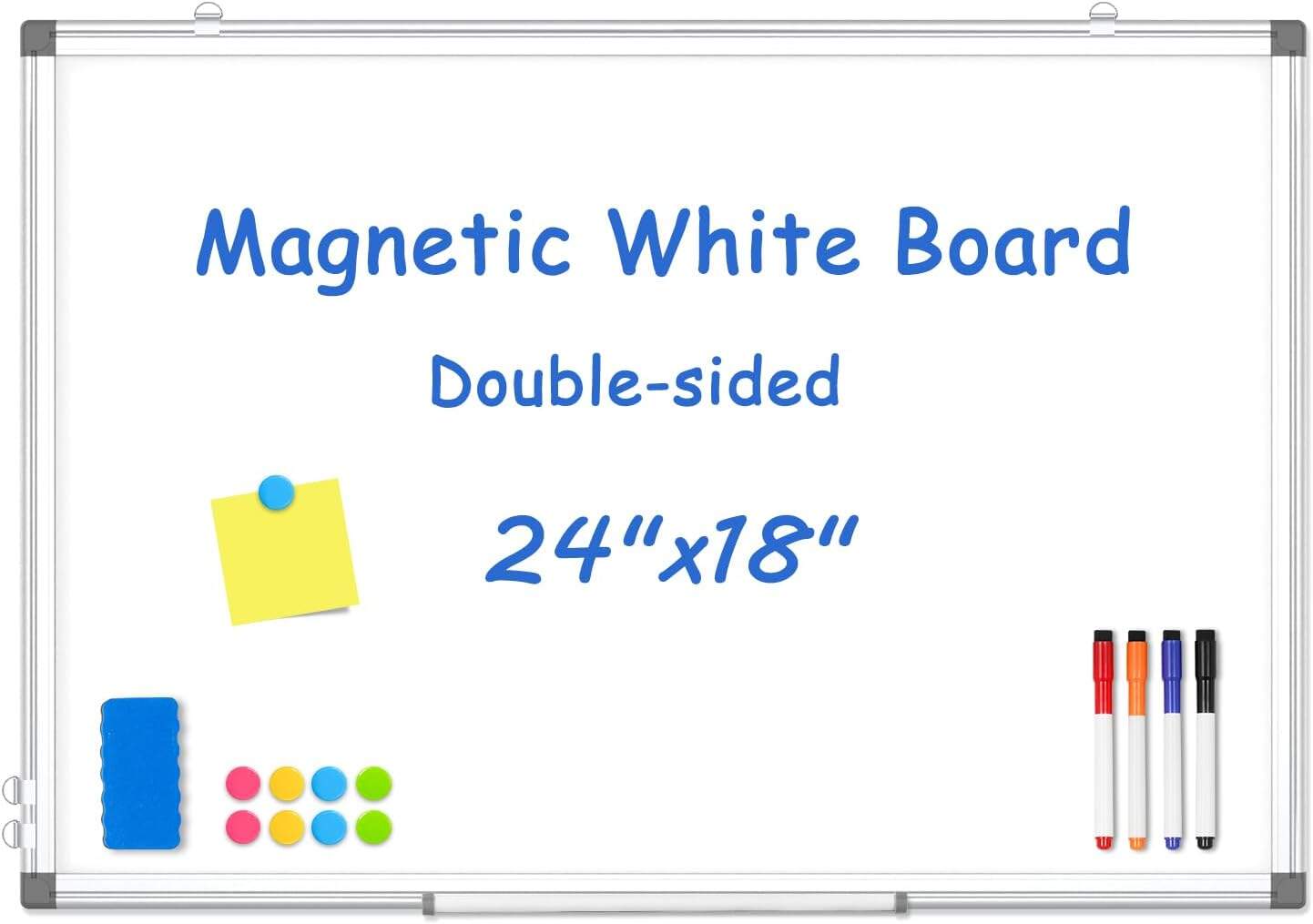
Modern workspaces demand tools that enhance productivity, collaboration, and creative thinking. Among the essential equipment that has become indispensable in today's professional environments, the dry erase whiteboard stands out as a versatile solution that bridges traditional communication methods with contemporary workplace needs. These interactive surfaces have revolutionized how teams brainstorm, present ideas, and maintain visual workflows across various industries.

The evolution of workplace communication has shifted dramatically toward visual collaboration, making the dry erase whiteboard an essential component of modern office design. Unlike traditional blackboards or static presentation boards, these surfaces offer immediate accessibility, easy modification, and seamless integration with digital workflows. Professional environments increasingly rely on visual aids that can adapt quickly to changing project requirements and facilitate real-time collaboration among team members.
Enhanced Collaboration and Team Dynamics
Facilitating Interactive Meetings
The dry erase whiteboard transforms passive meetings into dynamic, interactive sessions where participants actively contribute to discussions. Team members can simultaneously add ideas, create diagrams, and modify existing content in real-time. This interactive approach encourages participation from all attendees, regardless of their communication style or position within the organization.
Visual collaboration through a dry erase whiteboard breaks down communication barriers that often exist in traditional meeting formats. When team members can physically approach the board, write their thoughts, and build upon others' ideas, it creates an environment of shared ownership and collective problem-solving. This tactile engagement often leads to more creative solutions and stronger team cohesion.
Supporting Agile Methodologies
Agile project management methodologies have become standard practice in many industries, and the dry erase whiteboard serves as an ideal tool for implementing these frameworks. Scrum boards, kanban systems, and sprint planning sessions all benefit from the flexibility and visibility that whiteboards provide.
The ability to quickly move task cards, update progress indicators, and modify project timelines makes the dry erase whiteboard an invaluable asset for agile teams. Unlike digital project management tools that may require multiple clicks or screen navigation, physical whiteboards offer immediate visual access to project status and allow for rapid adjustments during daily standups and retrospective meetings.
Versatility Across Different Work Environments
Adaptability in Various Industries
The dry erase whiteboard demonstrates remarkable versatility across diverse professional sectors. In healthcare facilities, medical professionals use these boards for patient care coordination, treatment planning, and shift communication. Educational institutions rely on them for interactive learning experiences, while engineering firms utilize them for technical drawings and design iterations.
Creative agencies particularly benefit from the spontaneous nature of dry erase whiteboard brainstorming sessions. The ability to quickly sketch concepts, create mind maps, and visualize campaign strategies makes these boards essential tools for creative processes. Marketing teams can develop customer journey maps, sales departments can track performance metrics, and research teams can document findings in real-time.
Integration with Technology
Modern dry erase whiteboard solutions seamlessly integrate with digital technologies, creating hybrid work environments that combine physical and virtual collaboration. Smart whiteboards can capture handwritten content and convert it to digital formats, while traditional whiteboards can be photographed and shared instantly with remote team members.
This technological integration ensures that the benefits of physical collaboration extend beyond the immediate workspace. Remote team members can participate in whiteboard sessions through video conferencing, and content created on the dry erase whiteboard can be preserved, edited, and distributed digitally. This hybrid approach maximizes the accessibility and longevity of collaborative work sessions.
Cognitive and Psychological Benefits
Enhancing Creative Thinking
Research in cognitive psychology demonstrates that physical writing and drawing activate different neural pathways compared to digital input methods. The tactile experience of writing on a dry erase whiteboard engages kinesthetic learning processes that can enhance memory retention and creative thinking. This physical engagement often leads to more innovative solutions and deeper understanding of complex concepts.
The unlimited canvas space provided by a dry erase whiteboard removes constraints that might limit creative expression. Unlike paper notebooks or digital screens with fixed boundaries, whiteboards allow ideas to flow naturally across the surface. This freedom from spatial limitations often results in more expansive thinking and the development of connections between seemingly unrelated concepts.
Promoting Focus and Attention
The physical presence of a dry erase whiteboard in meeting spaces naturally draws attention and creates a focal point for discussions. This centralized visual reference helps maintain group focus and reduces the tendency for participants to become distracted by personal devices or side conversations. The shared visual space encourages active listening and engagement with presented content.
The immediate nature of whiteboard interactions also promotes sustained attention to the task at hand. Unlike digital presentations where information is pre-determined, the dynamic content creation on a dry erase whiteboard requires continuous mental engagement from all participants. This active participation leads to better information retention and more meaningful contributions to collaborative processes.
Practical Implementation and Best Practices
Strategic Placement and Accessibility
The effectiveness of a dry erase whiteboard depends significantly on its strategic placement within the workspace. Optimal positioning ensures visibility from all seating areas while maintaining easy access for multiple users. Consider lighting conditions, viewing angles, and traffic flow patterns when determining the ideal location for whiteboard installation.
Accessibility considerations extend beyond physical placement to include the availability of appropriate markers, erasers, and cleaning supplies. Establishing clear maintenance protocols ensures that the dry erase whiteboard remains functional and presentable for professional use. Regular cleaning and proper marker storage prevent ghosting and extend the lifespan of the writing surface.
Maximizing Collaborative Potential
To fully realize the collaborative benefits of a dry erase whiteboard, teams should establish guidelines for effective usage. These guidelines might include protocols for color coding, section organization, and content preservation. Training team members on facilitation techniques and visual thinking methods can significantly enhance the productivity of whiteboard sessions.
The most successful dry erase whiteboard implementations involve creating a culture that values visual collaboration and encourages experimentation with different approaches to problem-solving. Regular practice with whiteboard-based activities helps teams develop proficiency with visual communication techniques and builds confidence in collaborative problem-solving processes.
Long-term Value and Return on Investment
Cost-Effectiveness and Durability
When evaluating workspace investments, the dry erase whiteboard offers exceptional long-term value through its durability and minimal ongoing costs. High-quality whiteboards can serve organizations for many years with proper maintenance, making them cost-effective solutions for collaborative needs. The absence of recurring software licensing fees or technology upgrade requirements further enhances their financial appeal.
The operational costs associated with a dry erase whiteboard are limited to markers, erasers, and occasional cleaning supplies. This minimal ongoing expense contrasts favorably with digital collaboration tools that may require subscription fees, hardware updates, or technical support. The simplicity of whiteboard maintenance makes them accessible to organizations of all sizes and technical capabilities.
Measuring Collaborative Impact
Organizations can measure the impact of dry erase whiteboard implementation through various metrics including meeting efficiency, idea generation rates, and project completion times. Teams that effectively utilize whiteboards often report shorter decision-making cycles and improved project outcomes. The visual nature of whiteboard collaboration also tends to increase participation rates in meetings and brainstorming sessions.
The collaborative skills developed through regular dry erase whiteboard use extend beyond individual sessions to influence overall team dynamics and communication patterns. Teams that become proficient with visual collaboration often demonstrate improved problem-solving capabilities and more effective knowledge sharing across various work activities.
FAQ
What size dry erase whiteboard is best for team meetings
The optimal size for a team meeting dry erase whiteboard depends on room dimensions and typical group size. For standard conference rooms accommodating 6-10 people, a 4x6 foot or 4x8 foot board provides adequate writing space while maintaining visibility from all seating positions. Larger teams may benefit from wider boards or multiple boards positioned strategically around the meeting space.
How do you prevent ghosting on dry erase whiteboards
Preventing ghosting on a dry erase whiteboard requires consistent cleaning practices and quality markers. Erase content promptly after use, clean the surface weekly with appropriate whiteboard cleaner, and avoid using permanent markers or damaged dry erase markers. If ghosting occurs, specialized whiteboard restoration products can often restore the surface to optimal condition.
Can dry erase whiteboards be used outdoors or in humid environments
While most dry erase whiteboard surfaces are designed for indoor use, specialized outdoor or weather-resistant versions are available for challenging environments. Standard whiteboards may experience reduced marker adhesion and erasing difficulties in high humidity conditions. For outdoor applications, consider porcelain steel surfaces that offer superior durability and weather resistance.
What accessories enhance dry erase whiteboard functionality
Essential accessories for maximizing dry erase whiteboard effectiveness include magnetic holders for markers and erasers, colored markers for coding and organization, and templates or guides for creating consistent layouts. Document cameras can capture whiteboard content for digital sharing, while magnetic strips and clips allow for the attachment of reference materials or printed guides.