
 EN
EN



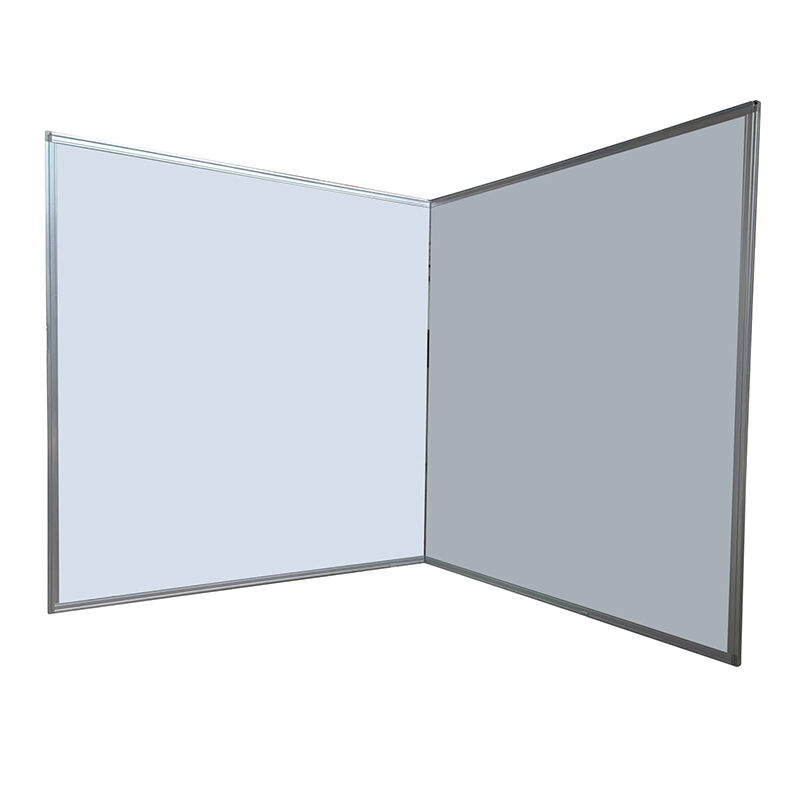
Modern workplaces and educational environments have evolved significantly over the past decade, demanding versatile tools that enhance communication and productivity. Among the most essential tools that have stood the test of time is the dry erase whiteboard, which continues to serve as a cornerstone for effective presentations, brainstorming sessions, and daily planning activities. Whether you're managing a corporate office, running a classroom, or organizing your home workspace, a high-quality dry erase whiteboard offers unparalleled flexibility and functionality that traditional writing surfaces simply cannot match.

Enhanced Productivity and Organization
Streamlined Daily Planning and Task Management
The versatility of a dry erase whiteboard makes it an indispensable tool for daily organization and task management across various professional settings. Unlike traditional paper-based planning systems, these boards allow for instant modifications, easy erasing, and real-time updates that keep teams synchronized and focused. Business professionals frequently utilize dry erase whiteboard surfaces to create visual project timelines, track progress indicators, and maintain clear communication channels with team members throughout the workday.
Organizations that implement systematic whiteboard usage report significant improvements in workflow efficiency and reduced miscommunication errors. The visual nature of whiteboard planning enables teams to quickly identify bottlenecks, redistribute workloads, and maintain accountability through transparent progress tracking. This immediate visual feedback creates a more responsive work environment where adjustments can be made promptly based on changing priorities or emerging challenges.
Collaborative Workspace Enhancement
Modern collaborative environments benefit tremendously from the interactive nature that a dry erase whiteboard provides during team meetings and brainstorming sessions. The large writing surface encourages participation from all team members, allowing ideas to be captured, modified, and organized in real-time. This collaborative approach leads to more comprehensive problem-solving and innovative thinking, as participants can build upon each other's contributions visually and immediately.
Research indicates that teams using visual collaboration tools like whiteboards generate approximately 40% more creative solutions compared to those relying solely on verbal communication. The ability to sketch diagrams, create mind maps, and illustrate concepts helps bridge communication gaps between different learning styles and professional backgrounds, ensuring that all participants can contribute meaningfully to discussions and decision-making processes.
Cost-Effective Communication Solutions
Long-Term Investment Value
Investing in a quality dry erase whiteboard represents exceptional long-term value when compared to recurring costs associated with paper-based communication systems, flip charts, and digital alternatives. The durable construction of modern whiteboards ensures years of reliable service with minimal maintenance requirements, making them highly cost-effective for budget-conscious organizations. Unlike consumable materials that require constant replenishment, a well-maintained whiteboard continues providing value throughout its extended lifespan.
The economic advantages extend beyond initial purchase considerations, as organizations typically recover their investment within the first year through reduced paper consumption, printing costs, and meeting material expenses. Additionally, the reusable nature of dry erase whiteboard surfaces eliminates waste generation, supporting corporate sustainability initiatives while maintaining operational efficiency. This environmental consciousness aligns with modern business practices that prioritize responsible resource management and ecological stewardship.
Reduced Technology Dependencies
While digital solutions offer certain conveniences, they also introduce potential points of failure including power outages, software glitches, and compatibility issues that can disrupt important presentations or meetings. A dry erase whiteboard provides reliable functionality independent of technological infrastructure, ensuring that communication and collaboration can continue uninterrupted regardless of external circumstances. This reliability proves particularly valuable during critical business meetings or emergency situations where consistent access to communication tools becomes essential.
The simplicity of whiteboard operation eliminates learning curves associated with complex software platforms, enabling immediate productivity gains for users of all technical skill levels. This accessibility ensures that valuable meeting time focuses on content rather than troubleshooting technical difficulties, leading to more efficient and productive collaborative sessions. Organizations appreciate this straightforward approach that maximizes participation without creating barriers based on technological familiarity.
Educational and Training Applications
Interactive Learning Enhancement
Educational institutions worldwide recognize the significant impact that dry erase whiteboard technology has on student engagement and learning outcomes. The interactive nature of whiteboard instruction encourages active participation, allowing educators to create dynamic lessons that adapt to student responses and comprehension levels in real-time. Students benefit from visual learning opportunities that complement traditional lecture formats, leading to improved retention and deeper understanding of complex concepts.
Contemporary educational research demonstrates that classrooms utilizing interactive whiteboard instruction achieve measurably higher academic performance compared to traditional teaching methods. The ability to combine visual, auditory, and kinesthetic learning approaches through whiteboard activities accommodates diverse learning preferences and helps ensure that all students can access and process information effectively. This inclusive approach promotes educational equity and supports comprehensive learning development.
Professional Development and Training
Corporate training programs leverage dry erase whiteboard capabilities to create engaging professional development experiences that promote skill acquisition and knowledge transfer. Trainers appreciate the flexibility to modify presentations based on participant questions, illustrate complex processes through diagrams, and facilitate group exercises that encourage collaborative learning. This adaptability ensures that training content remains relevant and responsive to specific audience needs and learning objectives.
The visual documentation capabilities of whiteboards enable trainers to capture key insights, questions, and action items during sessions, creating valuable reference materials for follow-up activities. Participants benefit from seeing their contributions acknowledged and incorporated into the training narrative, fostering greater engagement and ownership of the learning process. This collaborative approach leads to higher training satisfaction scores and improved skill application in workplace settings.
Durability and Maintenance Advantages
Superior Surface Technology
Modern dry erase whiteboard manufacturing incorporates advanced surface technologies that resist staining, ghosting, and wear patterns that previously limited whiteboard longevity. High-quality porcelain and melamine surfaces maintain their writing performance even under heavy daily use, ensuring consistent marker adhesion and easy erasing capabilities throughout the board's operational lifetime. These technological improvements represent significant advancements over earlier whiteboard generations that suffered from premature surface degradation.
The superior durability of contemporary whiteboard surfaces translates directly into reduced replacement costs and maintenance requirements for organizations. Regular cleaning protocols using appropriate cleaning solutions help maintain optimal writing conditions and extend surface life significantly. Users report that properly maintained boards continue delivering excellent performance for decades, making them exceptional investments for facilities planning long-term operational efficiency.
Simple Care and Maintenance Requirements
Maintaining optimal dry erase whiteboard performance requires minimal effort and resources compared to other communication technologies. Regular cleaning with appropriate solutions removes marker residue and prevents buildup that could compromise writing quality over time. The straightforward maintenance protocols can be easily integrated into existing janitorial routines without requiring specialized training or expensive cleaning equipment, making ongoing care both practical and economical.
Preventive maintenance practices such as using high-quality markers, avoiding permanent marker contamination, and implementing proper cleaning schedules help ensure maximum board lifespan and consistent performance. Organizations that establish clear usage guidelines and maintenance procedures typically achieve superior results and avoid common issues that can reduce whiteboard effectiveness. This proactive approach protects the investment while maximizing user satisfaction and operational efficiency.
Versatility and Adaptation Options
Multiple Installation and Configuration Options
Contemporary dry erase whiteboard designs accommodate diverse spatial requirements and installation preferences through various mounting options, size configurations, and accessory integrations. Wall-mounted installations maximize floor space utilization while providing stable writing surfaces that can accommodate multiple simultaneous users. Mobile configurations offer flexibility for multi-purpose rooms and changing layout requirements, enabling organizations to adapt their communication tools to evolving operational needs.
The availability of magnetic surfaces adds functionality for document display, project materials organization, and visual aid attachment without compromising writing space. These integrated features eliminate the need for additional bulletin boards or display systems, creating more streamlined and organized work environments. Customization options including grid patterns, calendar layouts, and specialized markings help optimize boards for specific applications and user requirements.
Integration with Digital Technologies
While maintaining their core analog functionality, modern dry erase whiteboard solutions can integrate seamlessly with digital documentation systems through photography, scanning, and content capture technologies. This hybrid approach combines the immediate responsiveness of traditional whiteboarding with digital archiving capabilities that support remote collaboration and content sharing. Users can capture whiteboard content for distribution, reference, and follow-up activities without losing the benefits of real-time interactive collaboration.
The combination of physical whiteboard interaction with digital content management creates powerful workflows that bridge traditional and contemporary communication methods. Teams can maintain the spontaneous creativity that whiteboards facilitate while ensuring that valuable insights and decisions are preserved and accessible for future reference. This integration approach maximizes the benefits of both analog and digital communication tools without creating additional complexity or technical dependencies.
FAQ
How long does a quality dry erase whiteboard typically last with regular use
A well-maintained dry erase whiteboard can provide reliable service for 15-20 years or more with proper care and quality markers. Porcelain surfaces generally offer the longest lifespan, while melamine surfaces provide excellent durability for moderate to heavy use environments. Regular cleaning and appropriate marker selection significantly impact longevity, with some institutional-grade boards continuing to perform effectively after decades of daily classroom or office use.
What are the key differences between porcelain and melamine whiteboard surfaces
Porcelain surfaces offer superior durability, stain resistance, and longevity but typically require higher initial investment costs. Melamine surfaces provide excellent value for most applications with good writing performance and easier installation due to lighter weight. Both surface types work well with standard dry erase markers, though porcelain surfaces generally maintain their writing quality longer and resist ghosting more effectively than melamine alternatives.
Can dry erase whiteboards be used effectively in high-humidity environments
Modern dry erase whiteboard surfaces perform well in controlled humidity environments, though extreme moisture conditions can affect marker adhesion and erasing performance. Proper ventilation and climate control help maintain optimal writing conditions, while regular cleaning prevents moisture-related buildup that could impact surface quality. Marine-grade and specialized coatings are available for applications requiring enhanced moisture resistance in challenging environmental conditions.
What size considerations should guide whiteboard selection for different applications
Classroom applications typically benefit from larger surfaces (4x8 feet or larger) to accommodate multiple users and extensive content, while office meeting rooms often work well with 3x4 or 4x6 foot boards that provide adequate space without overwhelming smaller spaces. Consider viewing distances, user accessibility, and available wall space when selecting dimensions, ensuring that the board size supports intended usage patterns and room occupancy levels effectively.
Table of Contents
- Enhanced Productivity and Organization
- Cost-Effective Communication Solutions
- Educational and Training Applications
- Durability and Maintenance Advantages
- Versatility and Adaptation Options
-
FAQ
- How long does a quality dry erase whiteboard typically last with regular use
- What are the key differences between porcelain and melamine whiteboard surfaces
- Can dry erase whiteboards be used effectively in high-humidity environments
- What size considerations should guide whiteboard selection for different applications