
 EN
EN


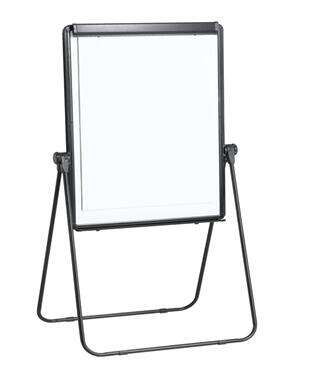
Modern workplaces and educational environments demand tools that enhance communication, foster creativity, and streamline collaborative processes. A dry erase whiteboard stands as one of the most versatile and effective solutions for teams seeking to improve their brainstorming sessions, project planning, and visual communication strategies. These interactive surfaces have evolved far beyond simple writing tools, becoming essential components of smart collaboration ecosystems that drive productivity and innovation across various industries.

Visual Communication Revolution
Breaking Down Complex Ideas
The power of visual representation cannot be overstated when it comes to collaborative work environments. A dry erase whiteboard provides teams with an immediate canvas for transforming abstract concepts into tangible visual elements that everyone can understand and contribute to. Complex project workflows, intricate business processes, and multi-layered strategic plans become significantly more accessible when team members can see relationships between different components drawn out in real-time. This visual approach eliminates the confusion that often arises from verbal descriptions alone, ensuring that all participants share the same understanding of the subject matter.
Research consistently demonstrates that visual learners comprise a substantial portion of the population, making the dry erase whiteboard an invaluable tool for inclusive collaboration. When team members can observe concepts being developed step-by-step on a whiteboard surface, they engage more actively in discussions and contribute more meaningful insights. The interactive nature of whiteboard sessions encourages participants to build upon each other's ideas, creating a dynamic environment where innovation flourishes naturally through collective visual thinking.
Real-Time Idea Development
The immediacy of whiteboard collaboration distinguishes it from digital alternatives in crucial ways that directly impact team productivity. When working with a dry erase whiteboard, ideas flow seamlessly from conception to visual representation without the technological barriers that can interrupt creative momentum. Team members can instantly modify, expand, or redirect their thinking as new insights emerge during collaborative sessions. This real-time adaptability proves particularly valuable during brainstorming activities where the spontaneous evolution of ideas often leads to breakthrough solutions.
Unlike static presentation formats, whiteboard sessions maintain flexibility throughout the entire collaborative process. Participants can easily erase, relocate, or restructure information as group understanding deepens and priorities shift. This dynamic characteristic of dry erase whiteboard usage creates an environment where teams feel comfortable exploring unconventional approaches and testing hypothetical scenarios without the commitment associated with more permanent documentation methods.
Enhanced Team Engagement Strategies
Interactive Participation Models
Traditional meeting formats often struggle with participant engagement, as attendees may feel disconnected from discussions or hesitant to contribute their perspectives. A dry erase whiteboard fundamentally transforms meeting dynamics by providing every team member with opportunities for active participation. When individuals can physically approach the board to add their input, draw connections between concepts, or modify existing content, they become invested stakeholders in the collaborative process rather than passive observers.
The tactile experience of writing or drawing on a whiteboard surface engages multiple senses simultaneously, reinforcing memory formation and comprehension. This multisensory engagement proves particularly beneficial for teams working on complex problem-solving initiatives where sustained attention and creative thinking are essential. The physical act of moving to the board and contributing visually breaks up the monotony of seated discussions while encouraging more dynamic interaction patterns among team members.
Inclusive Collaboration Environments
Creating truly inclusive collaborative spaces requires tools that accommodate diverse communication styles and learning preferences. The versatility of a dry erase whiteboard supports various forms of expression, from detailed diagrams and structured lists to creative sketches and mind maps. This flexibility ensures that team members with different strengths can contribute meaningfully to group activities, whether they excel at analytical thinking, creative visualization, or systematic organization.
Furthermore, whiteboard sessions naturally level the playing field by removing hierarchical barriers that might inhibit open communication in other settings. When everyone shares the same physical space and uses the same tools to express their ideas, traditional power dynamics become less prominent, encouraging more authentic and diverse input from all participants. This democratization of the collaborative process often results in more innovative solutions and stronger team cohesion.
Strategic Planning Applications
Project Management Visualization
Effective project management requires clear visualization of timelines, dependencies, resource allocation, and milestone tracking. A dry erase whiteboard serves as an ideal platform for creating dynamic project visualization systems that teams can update regularly as circumstances evolve. Unlike digital project management tools that require specific software knowledge and access permissions, whiteboards provide immediate accessibility for all team members to contribute updates, flag concerns, or suggest modifications to project plans.
The large format of most whiteboard installations allows project managers to display comprehensive overviews that would be difficult to achieve through computer screens or printed materials. Team members can simultaneously view multiple project phases, identify potential bottlenecks, and understand how their individual contributions fit into the broader project ecosystem. This holistic perspective proves invaluable for maintaining project momentum and ensuring that all participants remain aligned with overall objectives.
Strategic Decision Making
Strategic decision-making processes benefit tremendously from the collaborative capabilities that dry erase whiteboard sessions provide. When leadership teams gather to evaluate options, assess risks, and determine future directions, the whiteboard becomes a neutral space where all perspectives can be explored openly and systematically. Complex decision trees, comparative analysis frameworks, and scenario planning exercises become more manageable when teams can visualize different pathways and their potential consequences simultaneously.
The temporary nature of whiteboard content paradoxically enhances the quality of strategic discussions by reducing the pressure to commit immediately to documented positions. Team members feel more comfortable proposing bold ideas, challenging existing assumptions, or exploring alternative approaches when they know that initial concepts can be easily modified or erased as understanding develops. This psychological safety encourages more thorough exploration of strategic options and typically results in more robust final decisions.
Educational and Training Benefits
Knowledge Transfer Optimization
Educational institutions and corporate training programs consistently rely on dry erase whiteboard technology because it facilitates superior knowledge transfer compared to static presentation methods. Instructors can build concepts progressively, allowing learners to follow logical development sequences while maintaining visual reference points throughout lessons. This approach proves particularly effective for technical subjects where understanding depends on grasping relationships between multiple components or following step-by-step procedures.
The interactive nature of whiteboard-based instruction encourages active learning behaviors that improve retention and comprehension rates. Students can request clarifications, suggest modifications, or contribute additional examples directly on the board surface, creating collaborative learning experiences that benefit entire groups. This participatory approach transforms traditional teacher-student dynamics into more engaging peer-to-peer learning environments where knowledge construction becomes a shared responsibility.
Skill Development Acceleration
Professional development activities gain significant value when delivered through whiteboard-centric formats that emphasize hands-on practice and immediate feedback. Workshop facilitators can guide participants through skill-building exercises where individuals practice new techniques directly on the board while receiving real-time guidance and peer input. This approach proves particularly valuable for developing presentation skills, problem-solving methodologies, and creative thinking capabilities that require iterative refinement.
The visibility of the learning process on a dry erase whiteboard creates opportunities for peer learning that extend beyond formal instruction periods. Participants observe different approaches to similar challenges, learn from others' mistakes, and build confidence through repeated practice in supportive environments. These collaborative skill development experiences often produce more lasting behavioral changes than individual study methods or passive learning formats.
Technology Integration Advantages
Hybrid Collaboration Solutions
Contemporary workplace environments increasingly require seamless integration between physical and digital collaboration tools. Modern dry erase whiteboard installations often include smart technology features that capture, store, and share whiteboard content digitally without disrupting the natural flow of face-to-face collaboration. These hybrid solutions combine the immediate accessibility and tactile benefits of traditional whiteboards with the documentation and distribution capabilities of digital systems.
The ability to instantly digitize whiteboard content enables teams to maintain continuity between in-person sessions and remote follow-up activities. Participants can access session outputs immediately after meetings, continue developing ideas independently, and contribute additional insights that can be incorporated into subsequent collaborative sessions. This seamless transition between physical and digital work modes maximizes the value derived from both collaboration formats while minimizing workflow disruptions.
Remote Collaboration Support
Even in increasingly digital work environments, the dry erase whiteboard maintains relevance by serving as a bridge between local and remote team members. When properly equipped with camera systems and sharing technology, whiteboard sessions can include remote participants who observe real-time content development and contribute input through digital channels. This hybrid approach preserves the dynamic energy of in-person whiteboard collaboration while accommodating distributed team structures.
Furthermore, whiteboard-generated content often serves as superior reference material for remote team members compared to traditional meeting notes or digital documents. The visual nature of whiteboard outputs communicates context and relationships more effectively than text-based summaries, helping remote participants understand discussion nuances and contribute more meaningfully to ongoing projects. This enhanced communication quality proves essential for maintaining team cohesion across geographical boundaries.
Productivity and Efficiency Gains
Meeting Optimization
Organizations consistently report significant improvements in meeting efficiency when incorporating dry erase whiteboard usage into their standard collaboration practices. The visual focus that whiteboards provide helps maintain participant attention while reducing the tangential discussions that often derail meeting objectives. When teams can see their progress documented visually throughout sessions, they remain more engaged with primary topics and achieve clearer resolution of action items.
The structured approach that whiteboard usage naturally encourages leads to more organized discussion patterns and better time management during collaborative sessions. Facilitators can allocate specific board sections to different agenda items, maintain visual progress indicators, and ensure that all planned topics receive appropriate attention within allocated timeframes. This systematic approach typically results in shorter meetings that accomplish more substantial outcomes.
Documentation and Follow-up
While digital tools excel at formal documentation, the dry erase whiteboard serves as an excellent intermediate step between initial brainstorming and final documentation. Teams can capture key insights, organize thoughts systematically, and identify the most important concepts before investing time in detailed digital documentation. This filtering process ensures that formal documentation efforts focus on genuinely valuable content rather than attempting to preserve every detail from collaborative sessions.
The visual organization that emerges from effective whiteboard usage provides clear templates for subsequent documentation activities. Team members can easily identify main themes, supporting details, action items, and decision points by referencing the structured layout developed during collaborative sessions. This organizational clarity significantly reduces the time and effort required for post-meeting documentation while improving the quality and usefulness of resulting materials.
FAQ
What size dry erase whiteboard works best for team collaboration
The optimal whiteboard size depends on your team size and available space, but most effective collaborative sessions require boards measuring at least 4x6 feet to accommodate multiple participants and complex content simultaneously. Larger teams working on extensive projects often benefit from wall-sized installations or multiple connected panels that provide expansive workspace for comprehensive project visualization and extended brainstorming activities.
How do you maintain engagement during extended whiteboard sessions
Successful extended whiteboard sessions require structured facilitation techniques including regular participant rotation, strategic breaks for reflection, and varied activity formats that maintain energy levels throughout longer collaborative periods. Effective facilitators also implement time-boxing strategies, assign specific roles to different participants, and incorporate movement-based activities that keep teams physically and mentally engaged with the collaborative process.
Can whiteboard collaboration work effectively with remote team members
Modern hybrid collaboration approaches successfully integrate remote participants through high-quality camera systems, real-time content sharing technology, and structured communication protocols that ensure remote team members can contribute meaningfully to whiteboard-based sessions. The key lies in selecting appropriate technology solutions and establishing clear participation guidelines that accommodate both in-person and remote collaboration styles effectively.
What training helps teams maximize whiteboard collaboration benefits
Teams achieve maximum whiteboard collaboration benefits through facilitation skills training, visual thinking workshops, and structured practice sessions that build confidence with different collaboration techniques and formats. Professional development programs focusing on meeting leadership, creative problem-solving methodologies, and inclusive participation strategies typically produce the most significant improvements in team collaboration effectiveness and overall productivity outcomes.