
 EN
EN




Transform Your Communication with the Power of Visual Thinking
In today's fast-paced business environment, effective communication stands as the cornerstone of success. Among the various tools available to enhance understanding and collaboration, the white board emerges as an unparalleled champion of clear communication. This simple yet powerful tool has revolutionized the way we share ideas, solve problems, and engage with our audience.
When information flows freely and clearly, teams perform better, meetings become more productive, and complex concepts transform into digestible insights. A white board serves as the perfect canvas for this transformation, offering a dynamic space where ideas can come to life through visual representation.
The Psychology Behind Visual Communication
How Our Brains Process Visual Information
The human brain processes visual information 60,000 times faster than text, making a white board an invaluable tool for quick comprehension. When we see information displayed visually, our cognitive processes engage more fully, creating stronger neural connections and better retention of information. This biological advantage explains why sketches, diagrams, and mind maps on a white board resonate so powerfully with viewers.
Visual processing activates multiple areas of the brain simultaneously, leading to enhanced understanding and memory formation. When someone watches ideas unfold on a white board, they're not just passive recipients of information – they're active participants in the learning process.
The Impact of Real-Time Visual Creation
There's something uniquely engaging about watching information materialize before your eyes. When presenters use a white board to illustrate their points in real-time, audience attention spans increase significantly. The dynamic nature of this process creates a shared experience that static presentations simply cannot match.
The act of drawing or writing on a white board also naturally forces presenters to pace their delivery, allowing viewers to absorb information more effectively. This organic timing helps prevent information overload and maintains audience engagement throughout the presentation.
Practical Applications in Professional Settings
Brainstorming and Ideation Sessions
A white board transforms brainstorming sessions from chaotic conversations into structured idea generation workshops. Teams can quickly capture thoughts, draw connections between concepts, and build upon each other's ideas in a visible and collaborative way. The large surface area allows for multiple contributors to participate simultaneously, fostering a truly inclusive creative process.
During ideation sessions, the ability to erase and refine concepts encourages experimentation and reduces fear of making mistakes. This freedom to iterate leads to more innovative solutions and better outcomes for complex problems.
Project Planning and Management
Project managers find white boards indispensable for visualizing workflows, timelines, and dependencies. By mapping out project elements visually, teams can identify potential bottlenecks, allocate resources more effectively, and maintain better alignment throughout the project lifecycle. The white board becomes a central point of reference for team members to track progress and understand their roles within the larger initiative.
Regular team meetings around a white board create opportunities for real-time problem-solving and quick adjustments to project plans. This visual approach to project management helps maintain transparency and ensures all stakeholders share a common understanding of project status and objectives.
Enhancing Educational Environments
Interactive Learning Experiences
In educational settings, a white board facilitates dynamic interaction between teachers and students. Educators can adapt their explanations in response to student feedback, drawing additional examples or creating alternative representations to ensure comprehension. This flexibility allows for personalized learning experiences that cater to different learning styles.
Students become more engaged when they can approach the white board themselves, solving problems or presenting concepts to their peers. This physical involvement in the learning process strengthens understanding and builds confidence in subject matter mastery.
Collaborative Problem Solving
White boards excel at facilitating group problem-solving sessions in educational environments. Students can work together to break down complex problems, visualize solutions, and learn from each other's approaches. The shared visual space promotes discussion and enables immediate feedback from both peers and instructors.
When students collaborate at a white board, they develop critical thinking skills and learn to articulate their thought processes more effectively. These collaborative experiences prepare them for real-world problem-solving scenarios they'll encounter in their future careers.
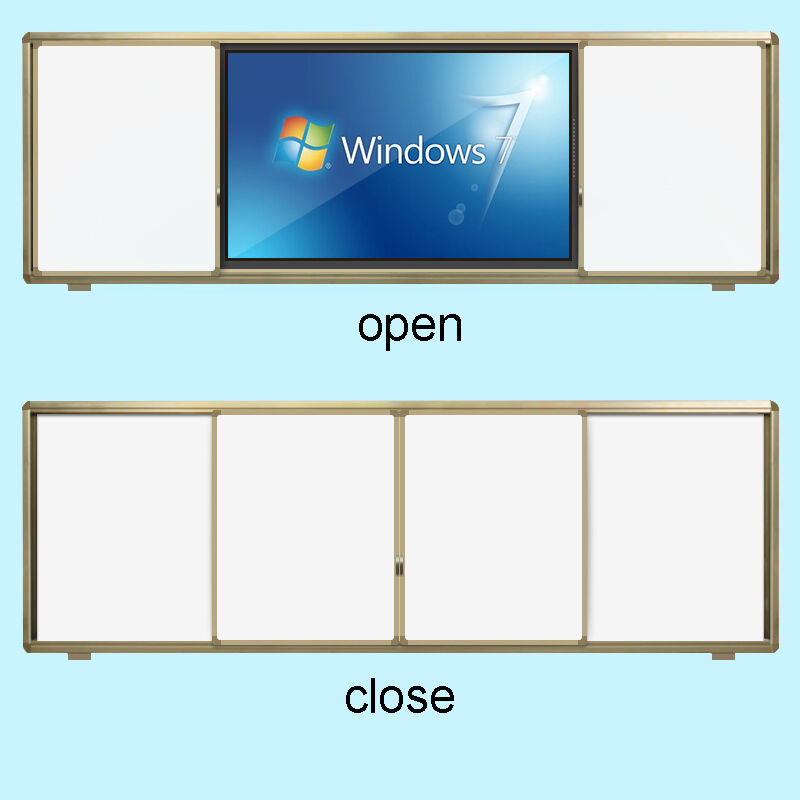
Best Practices for White Board Usage
Organization and Layout Techniques
Effective white board communication starts with thoughtful organization. Begin by dividing the board into clear sections for different topics or stages of discussion. Use consistent color coding to help viewers quickly identify different types of information. Leave adequate white space to prevent visual clutter and maintain readability.
Consider the viewing distance and angle of your audience when determining text size and spacing. Establish a clear hierarchy of information through size variations and placement. These organizational principles help ensure your message remains clear and impactful.
Visual Element Integration
Incorporate simple yet effective visual elements to enhance understanding. Basic shapes, arrows, and containers can help structure information and show relationships between concepts. Practice drawing common symbols and diagrams beforehand to ensure smooth execution during presentations.
Remember that the goal is clarity, not artistic perfection. Focus on creating visual elements that support your message rather than trying to produce elaborate artwork. Simple, well-executed visuals often prove more effective than complex illustrations.
Frequently Asked Questions
What makes a white board more effective than digital presentation tools?
White boards offer unique advantages through their immediacy, flexibility, and interactive nature. Unlike digital tools, they allow for spontaneous adjustments, real-time collaboration, and a more organic flow of ideas. The physical act of writing or drawing also creates stronger engagement and memory retention among participants.
How can I improve my white board presentation skills?
Practice basic drawing techniques, develop a consistent visual vocabulary, and plan your board layout before presentations. Focus on clear handwriting, use color strategically, and maintain eye contact with your audience while writing. Regular practice will help you become more confident and efficient in using the white board effectively.
What are the essential supplies needed for effective white board use?
Keep a variety of markers in different colors (ensure they're specifically designed for white boards), high-quality erasers, and cleaning supplies readily available. Consider having replacement markers on hand, and regularly clean the board surface to maintain optimal visibility and prevent ghosting effects from prolonged use.