
 EN
EN



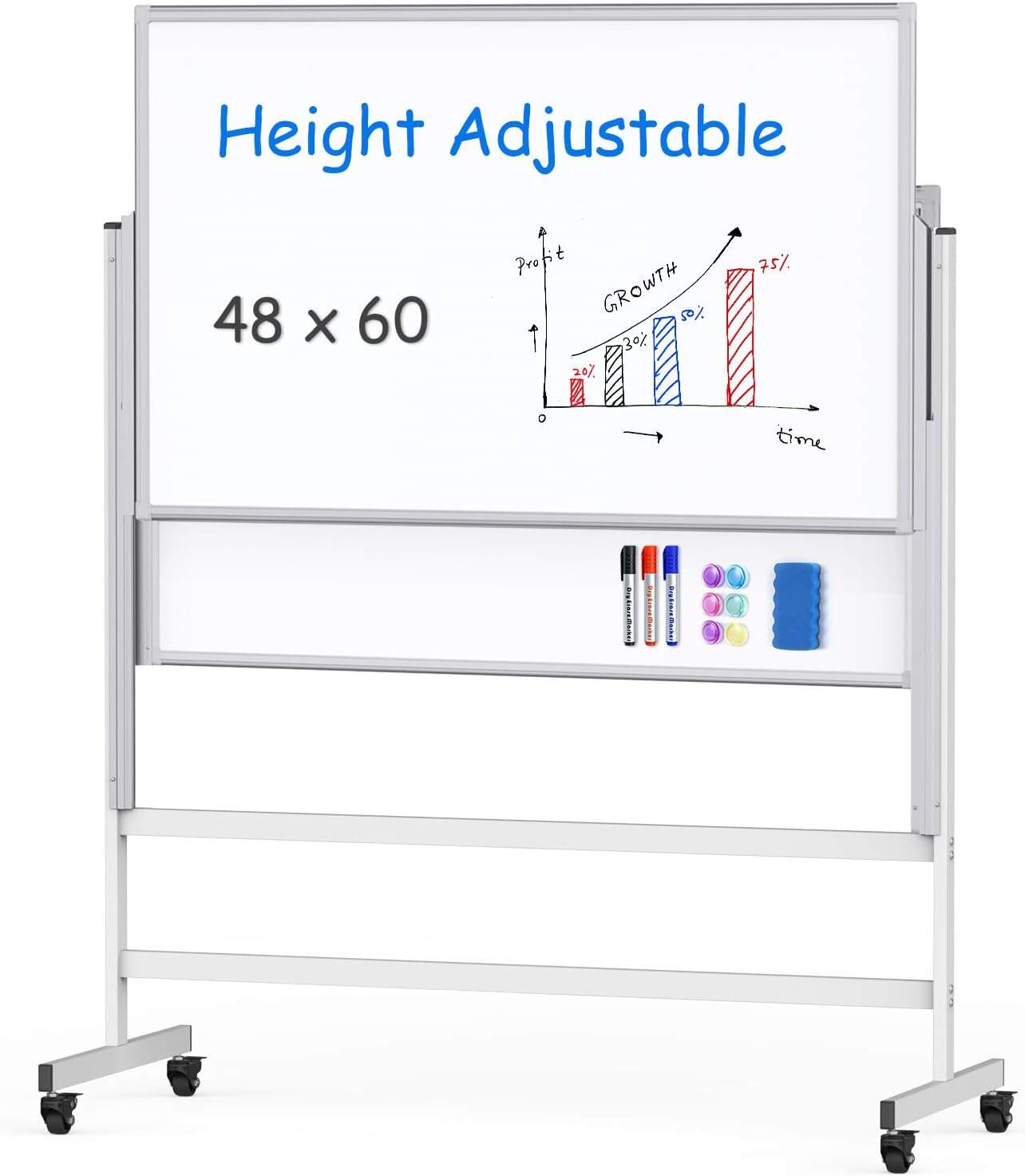
Transform Your Workspace with Dynamic Visual Communication
Modern offices are constantly evolving to meet the demands of collaborative work environments, and the white board stands as an enduring symbol of innovative thinking and team collaboration. From startups to Fortune 500 companies, organizations worldwide recognize the transformative power of white boards in creating dynamic, interactive spaces that foster creativity and productivity.
The simple yet versatile white board has become an indispensable tool in today's workplace, offering a perfect blend of traditional brainstorming capabilities with modern workplace requirements. As businesses adapt to new ways of working, the role of white boards continues to expand, proving their worth in numerous workplace scenarios.
Enhancing Team Collaboration and Creativity
Interactive Brainstorming Sessions
White boards serve as the perfect canvas for collaborative thinking. When team members gather around a white board, ideas flow more freely, and visual representation helps connect different concepts seamlessly. The act of standing up and engaging with content on a white board naturally encourages participation and keeps energy levels high during meetings.
Teams can quickly sketch out concepts, create mind maps, and build upon each other's ideas in real-time. This immediate visual feedback loop accelerates the creative process and helps teams reach innovative solutions faster than traditional discussion methods.
Visual Project Management
Project managers find white boards invaluable for tracking progress and maintaining team alignment. By creating visual project timelines, task boards, and milestone markers, teams can easily understand their responsibilities and project status at a glance. The flexibility to update and modify information instantly makes white boards superior to static digital displays for dynamic project management.
Regular team stand-ups become more engaging when centered around a white board, allowing for quick updates and immediate problem-solving. The visual nature of white board planning helps identify bottlenecks and opportunities for process improvement more effectively.
Improving Learning and Information Retention
Visual Learning Benefits
Research shows that visual learning significantly improves information retention. White boards enable presenters to create real-time visual aids that help explain complex concepts more effectively than slides alone. The combination of verbal explanation with visual demonstration creates a multi-sensory learning experience that appeals to different learning styles.
When information is presented on a white board, participants can see the logical progression of ideas and better understand relationships between different concepts. This visual journey helps cement new information in long-term memory.
Active Engagement in Training
Training sessions become more interactive and memorable when facilitated with a white board. Trainers can adapt their teaching approach on the fly based on participant feedback, drawing diagrams or creating lists that address specific questions or concerns. This flexibility ensures that learning objectives are met while maintaining group engagement.
Participants feel more connected to the material when they can contribute to what's being written or drawn on the white board. This active participation strengthens understanding and increases the likelihood of implementing new knowledge in practical situations.
Maximizing Workspace Efficiency
Flexible Space Utilization
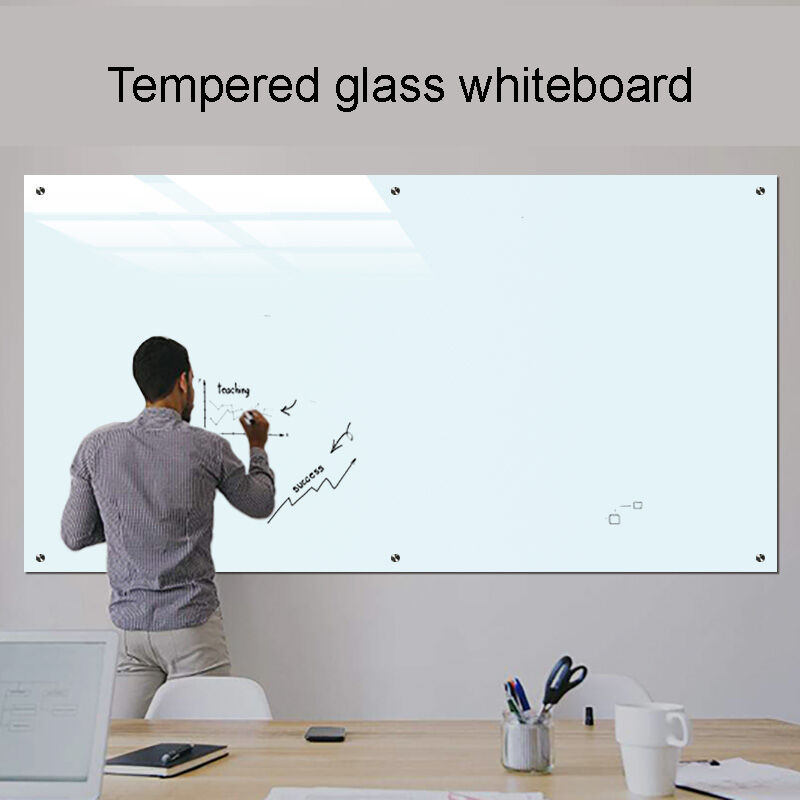
White boards offer unmatched flexibility in workspace design. They can transform any wall into a functional collaboration space, making efficient use of available office area. Mobile white boards provide even greater versatility, allowing teams to create temporary work zones wherever needed.
The ability to quickly erase and repurpose white board space means that a single board can serve multiple functions throughout the day, from morning planning sessions to afternoon client presentations. This adaptability makes white boards a cost-effective solution for maximizing workspace utility.
Environmental and Cost Benefits
Unlike paper-based systems, white boards provide an environmentally sustainable solution for daily communication and planning needs. They eliminate the waste associated with disposable flip charts and paper notes while reducing the organization's carbon footprint.
The initial investment in quality white boards pays dividends through years of reliable service, making them a financially sound choice for businesses of all sizes. The reduction in paper consumption and printing costs contributes to both environmental sustainability and bottom-line savings.
Frequently Asked Questions
How long do white boards typically last in an office environment?
High-quality white boards can last 10-15 years or more with proper care and maintenance. Regular cleaning, using appropriate markers, and avoiding harsh cleaning chemicals will extend the life of your white board significantly.
What size white board is best for meeting rooms?
For standard meeting rooms (15-20 people), a white board measuring at least 4x6 feet is recommended. Larger conference rooms may benefit from boards up to 8x4 feet or bigger to ensure visibility from all angles.
Are magnetic white boards worth the extra investment?
Magnetic white boards offer additional functionality by allowing users to post documents, photos, and other materials directly on the board. This versatility often justifies the higher initial cost, especially in environments where frequent presentation and document reference is necessary.
How can we maintain white board cleanliness in a busy office?
Establish a cleaning routine where the board is wiped clean at the end of each day using proper white board cleaner. Keep cleaning supplies readily available, and encourage users to erase their work when finished. Using high-quality markers and avoiding permanent markers will also help maintain the board's surface.