
 EN
EN



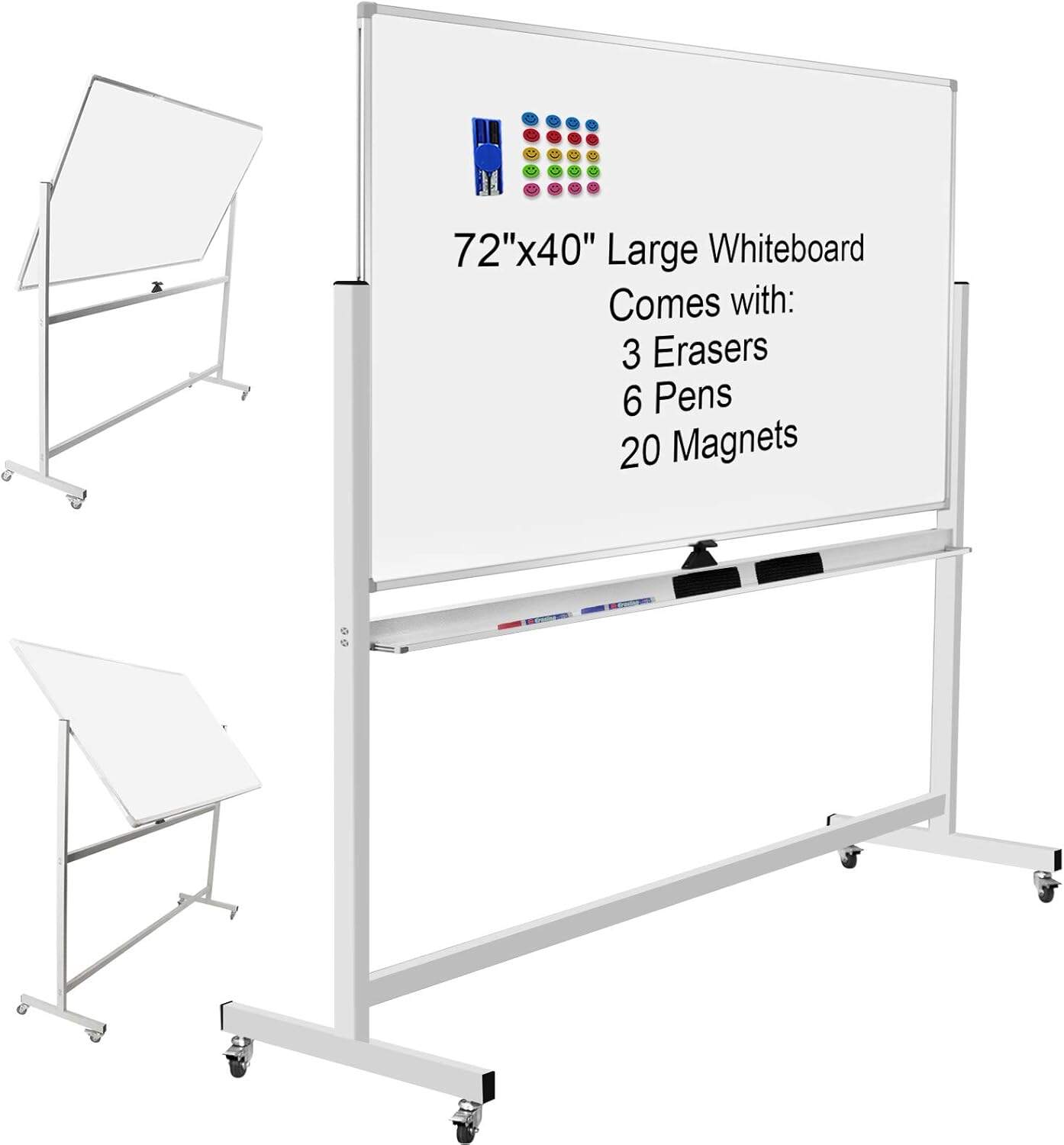
Transforming Educational Spaces Through Interactive White Boards
The modern classroom environment continues to evolve with technology and innovative teaching tools. Among these advancements, the white board stands as a fundamental yet powerful instrument that has revolutionized how educators teach and students learn. From elementary schools to universities, these versatile surfaces have become the cornerstone of interactive learning, fostering engagement and enhancing knowledge retention in ways that traditional methods simply cannot match.
The integration of white boards in educational settings represents more than just a replacement for traditional chalkboards. They serve as dynamic platforms that bridge the gap between conventional teaching methods and modern learning requirements. Their impact on student engagement, collaborative learning, and overall academic performance has been consistently documented across various educational studies and real-world applications.
The Evolution of Classroom Teaching Tools
From Chalk to Digital Innovation
The journey from traditional blackboards to modern white boards marks a significant milestone in educational technology. Early classrooms relied heavily on chalk and slate, tools that served their purpose but came with limitations. The introduction of the white board in educational settings brought forth a cleaner, more versatile alternative that quickly gained popularity among teachers and students alike.
As technology progressed, the simple white board evolved into various forms, including interactive and digital versions. This evolution has transformed the way educators approach classroom instruction, providing them with more tools to create engaging and interactive learning experiences. The bright, clean surface of a white board creates an inviting space for both teachers and students to share ideas, solve problems, and engage in collaborative learning activities.
Benefits of Modern White Board Technology
Today's white boards offer numerous advantages that directly contribute to enhanced learning outcomes. Their smooth surface allows for quick writing and erasing, enabling teachers to maintain a dynamic flow of information during lessons. The high contrast between markers and the white surface improves visibility, making it easier for students to follow along, especially those seated at the back of the classroom.
Moreover, white boards are more environmentally friendly compared to traditional chalk-based systems. They eliminate chalk dust, creating a healthier classroom environment for students and teachers with respiratory sensitivities. The durability and low maintenance requirements of modern white boards also make them a cost-effective solution for schools looking to upgrade their educational facilities.
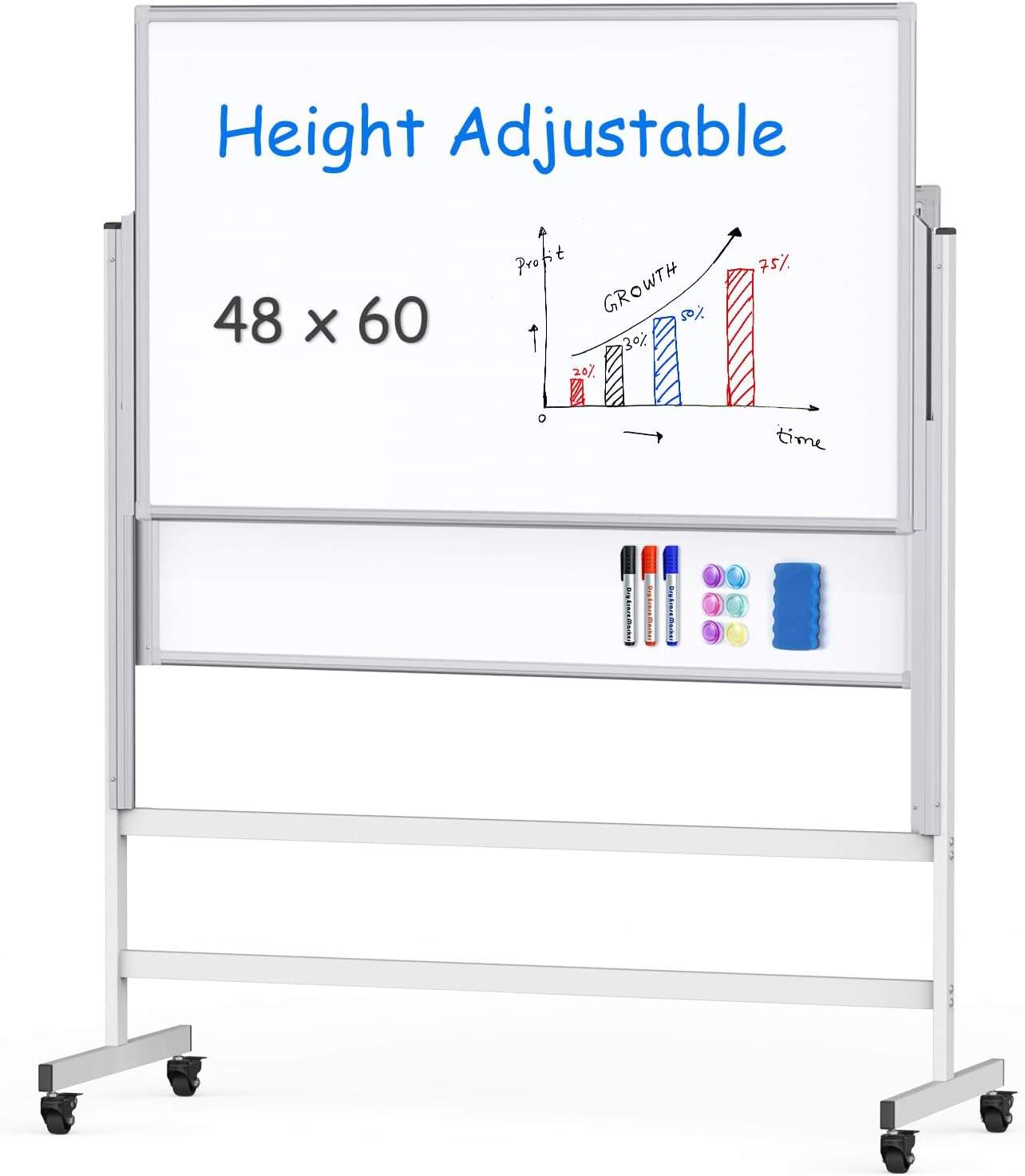
Enhancing Student Engagement Through Visual Learning
Interactive Learning Experiences
White boards facilitate active participation and engagement in the learning process. Teachers can easily create colorful diagrams, mind maps, and visual representations that help students grasp complex concepts more effectively. The ability to use different colors and quickly modify content allows for dynamic presentations that capture and maintain student attention.
The interactive nature of white board activities encourages students to participate in problem-solving exercises and group discussions. Whether it's solving mathematical equations, brainstorming ideas for a writing assignment, or analyzing scientific concepts, the white board provides a shared space where students can contribute their thoughts and learn from one another.
Collaborative Learning Opportunities
White boards naturally promote collaborative learning environments. Students can work together on group projects, share ideas, and engage in peer-to-peer teaching activities. This collaborative approach helps develop important social and communication skills while reinforcing learning through active participation.
Teachers can divide the white board into sections for different groups, allowing multiple students to work simultaneously on various aspects of a lesson. This approach not only maximizes engagement but also helps students develop teamwork skills that are essential for their future academic and professional success.
Implementing Effective White Board Strategies
Best Practices for Educators
To maximize the benefits of white boards in the classroom, educators should employ specific strategies and techniques. Clear organization of information, consistent use of colors for different types of content, and maintaining proper board management are crucial elements of effective white board utilization.
Teachers should also consider the placement of information on the board, ensuring that all students have clear visibility and easy access to the content. Regular cleaning and maintenance of the white board surface helps maintain its effectiveness and longevity while ensuring optimal visibility of written content.
Integration with Modern Technology
While traditional white boards remain valuable tools, their integration with modern technology opens up new possibilities for enhanced learning. Interactive white boards and smart boards combine the familiar aspects of traditional white boards with digital capabilities, allowing for multimedia integration, saved content, and remote sharing of information.
Schools can implement hybrid solutions that combine traditional and digital white board technologies to create flexible learning environments that cater to different teaching styles and learning preferences. This adaptability ensures that educational institutions can meet the diverse needs of their student population while preparing them for a technology-driven future.
Measuring Success and Learning Outcomes
Assessment and Evaluation Methods
The effectiveness of white board implementation can be measured through various assessment methods. Teachers can track student engagement levels, participation rates, and academic performance to evaluate the impact of white board-based instruction on learning outcomes.
Regular feedback from both students and teachers helps identify areas for improvement and allows for continuous refinement of teaching strategies. This data-driven approach ensures that white boards are being utilized in ways that genuinely enhance the learning experience.
Long-term Educational Impact
Research consistently shows that the effective use of white boards in educational settings contributes to improved learning outcomes over time. Students demonstrate better retention of information, enhanced problem-solving skills, and increased engagement in their studies when white boards are integrated into daily instruction.
The versatility and accessibility of white boards make them valuable tools for supporting different learning styles and abilities, contributing to more inclusive educational environments that benefit all students.
Frequently Asked Questions
How do white boards support different learning styles?
White boards accommodate visual, kinesthetic, and collaborative learning styles through their versatile nature. Visual learners benefit from clear diagrams and color-coding, while kinesthetic learners engage through hands-on interaction with the board. The collaborative aspect supports social learners who thrive in group settings.
What are the maintenance requirements for classroom white boards?
Regular cleaning with appropriate white board cleaners, using quality markers, and avoiding permanent markers are essential maintenance practices. Daily erasing and weekly deep cleaning help maintain the board's surface quality and ensure optimal visibility of written content.
How can schools transition effectively from traditional to digital white boards?
Schools should implement a phased approach, providing adequate training for teachers, ensuring proper technical support, and maintaining some traditional white boards during the transition. This allows for a smooth adaptation period while maximizing the benefits of both traditional and digital technologies.