
 EN
EN



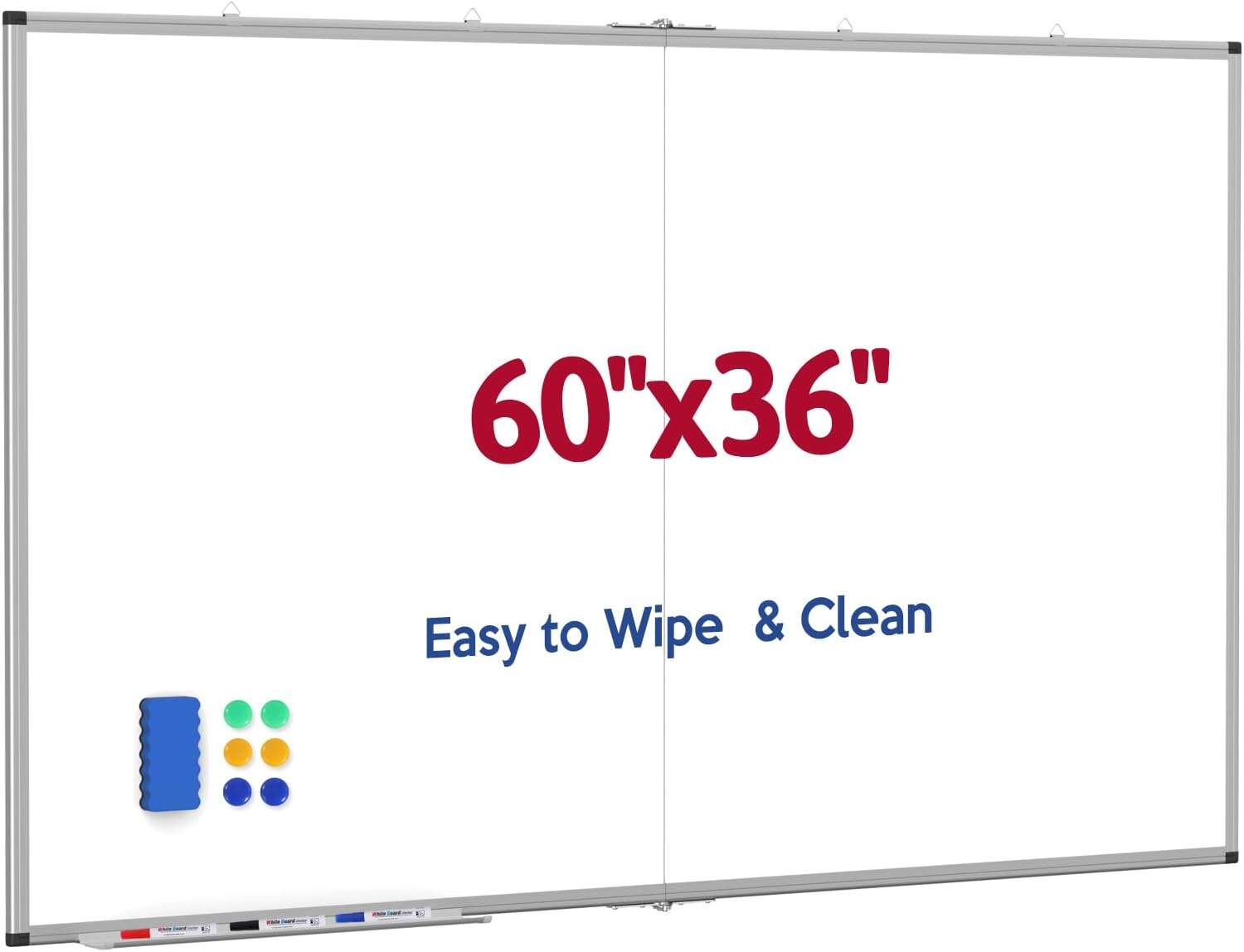
The Evolution of Modern Classroom Visual Tools
The landscape of classroom teaching has transformed dramatically over the decades, with the white board emerging as an indispensable tool for educational presentations. From the dusty chalk-filled environments of traditional blackboards to the sleek, clean surface of today's white boards, educators have witnessed a remarkable shift in how visual information is presented to students. The white board has revolutionized classroom dynamics, offering a blend of versatility, clarity, and engagement that makes it an educator's preferred choice.
Modern educational environments demand tools that can keep pace with dynamic teaching methods while maintaining simplicity and effectiveness. The white board answers this call by providing a pristine canvas for everything from mathematical equations to artistic demonstrations. Its reflective surface ensures optimal visibility from every angle of the classroom, while its smooth texture allows for swift transitions between topics and seamless error correction.
Essential Features of High-Quality Educational Boards
Surface Material and Durability
The foundation of any exceptional white board lies in its surface composition. Premium boards feature a porcelain-enameled steel or melamine surface that resists staining and ghosting, ensuring longevity even with daily use. This specialized coating prevents marker ink from penetrating the surface, making cleanup effortless and maintaining the board's pristine appearance year after year.
The durability factor extends beyond just the surface - quality frames and mounting systems ensure the board remains stable and secure throughout years of active use. The best white boards are designed to withstand temperature fluctuations and maintain their flatness, preventing warping that could compromise writing clarity.
Writing Experience and Marker Compatibility
The interaction between markers and the board surface significantly impacts the teaching experience. Superior white boards offer minimal friction, allowing markers to glide smoothly while producing crisp, clear lines. This smooth writing experience reduces hand fatigue for educators who spend hours presenting information to their students.
Additionally, high-quality boards are compatible with a wide range of dry-erase markers, from standard varieties to specialized low-odor options. This versatility ensures teachers can choose their preferred writing tools without compromising on visibility or cleanup efficiency.
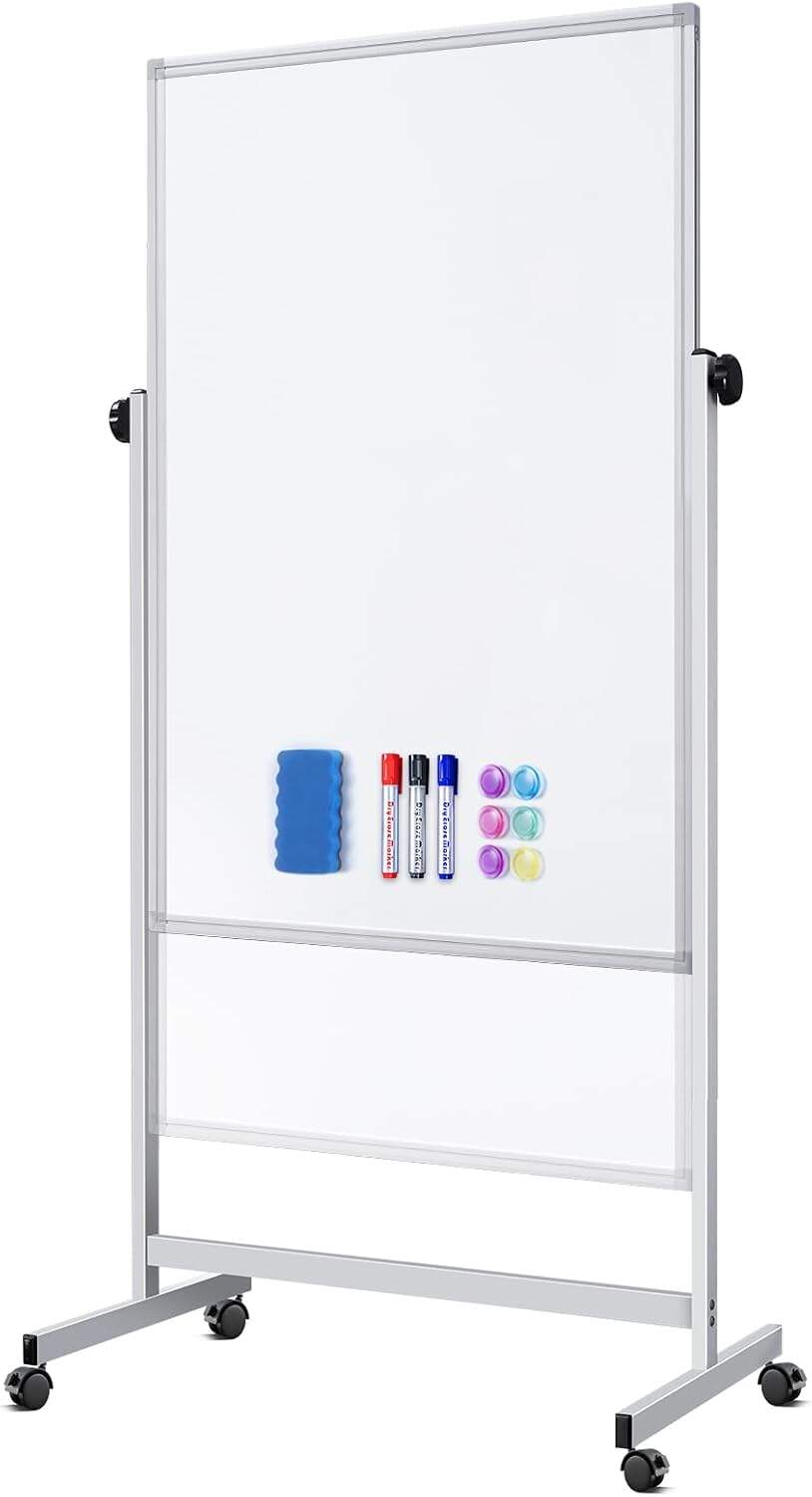
Practical Benefits in Educational Settings
Enhanced Visual Learning
Visual learners particularly benefit from white board presentations, as concepts can be illustrated in real-time with vibrant colors and clear visibility. Teachers can easily incorporate diagrams, mind maps, and visual hierarchies to reinforce learning objectives. The stark contrast between markers and the white surface ensures that content remains legible even from the back of the classroom.
The ability to use multiple colors effectively helps organize information and highlight key concepts, making complex topics more digestible for students. This visual differentiation aids in memory retention and helps students establish connections between related concepts.
Interactive Teaching Opportunities
White boards naturally facilitate interactive learning experiences. Students can participate in problem-solving activities, collaborative brainstorming sessions, or group presentations. The ease of erasing and modifying content encourages experimentation and active participation, making lessons more engaging and memorable.
Teachers can quickly adapt their presentations based on student feedback, making real-time adjustments to ensure understanding. This flexibility is particularly valuable when explaining challenging concepts that may require multiple approaches or explanations.
Maintenance and Longevity Considerations
Daily Care Requirements
Maintaining a white board's effectiveness requires consistent but straightforward care routines. Regular cleaning with appropriate solutions helps prevent marker buildup and maintains the surface's smooth writing characteristics. A daily wipe-down with a clean, dry cloth can remove residual dust and debris that might affect marker performance.
Using quality markers and avoiding leaving content on the board for extended periods helps prevent ghosting and staining. Implementing a rotation system for different sections of the board can also help distribute wear evenly across the surface.
Long-term Preservation Strategies
Investing in proper cleaning supplies and establishing maintenance schedules significantly extends a white board's lifespan. Periodic deep cleaning sessions using specialized cleaners can rejuvenate the surface and remove stubborn marks. Avoiding abrasive cleaning materials and unauthorized markers helps preserve the board's protective coating.
Regular inspection of mounting hardware and frame components ensures structural integrity and prevents safety issues. Addressing any surface damage promptly can prevent deterioration and maintain the board's professional appearance.
Frequently Asked Questions
How often should a classroom white board be cleaned?
A white board should be cleaned daily after use with a dry eraser or cloth. Weekly deep cleaning with proper white board cleaner is recommended to maintain optimal performance and prevent marker buildup.
What makes some white boards more expensive than others?
Premium white boards typically feature higher quality materials like porcelain-enameled steel surfaces, superior mounting systems, and better warranty coverage. These materials ensure better durability, writing performance, and resistance to staining and ghosting.
Can white boards be used with any type of marker?
No, white boards should only be used with appropriate dry-erase markers. Permanent markers, felt-tip pens, or other writing implements can damage the surface and leave permanent marks. Always check marker compatibility before use.