
 EN
EN



Transforming Ideas into Visual Excellence
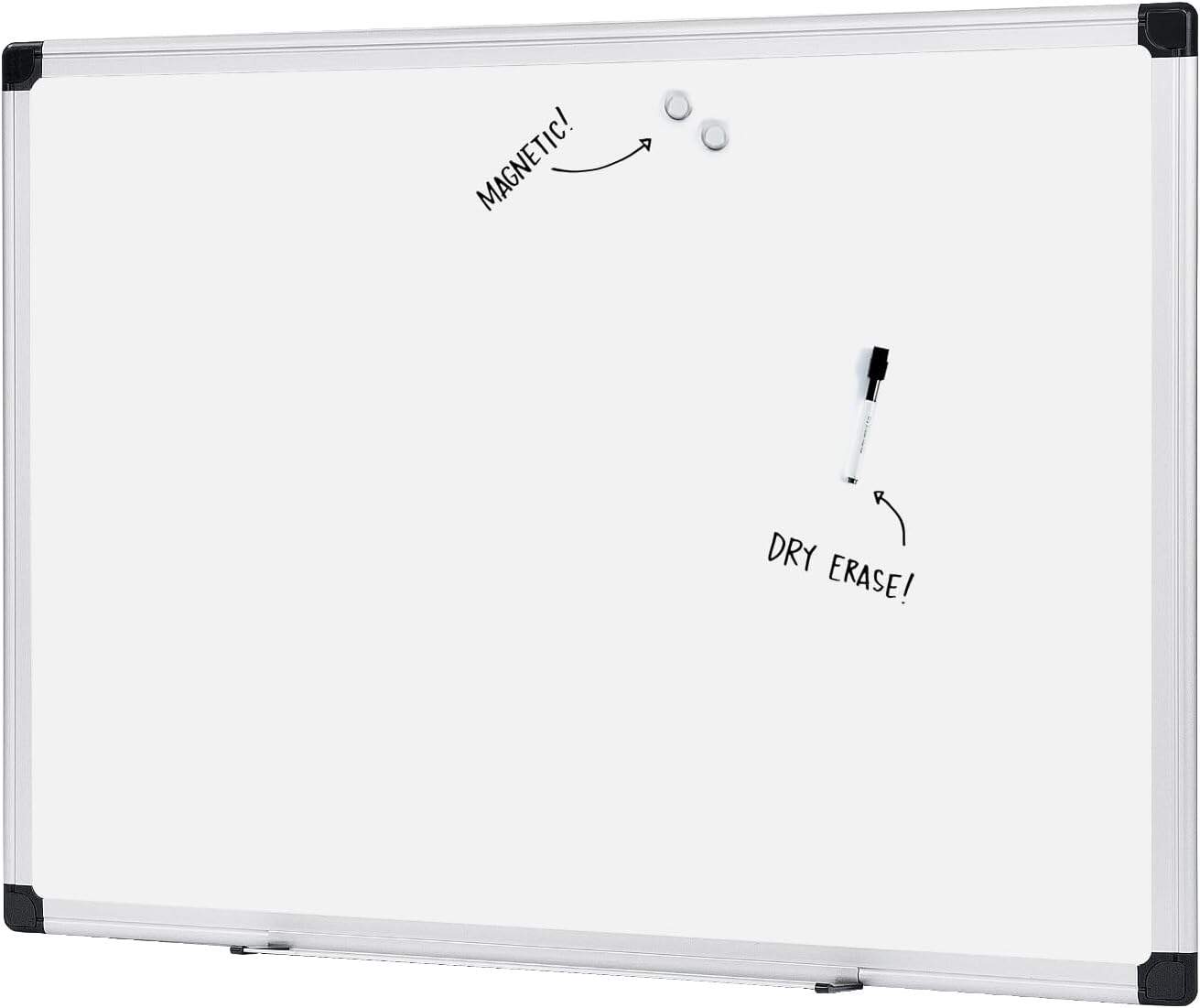
Visual communication has become the cornerstone of effective collaboration and learning in modern workspaces and educational environments. At the heart of this visual revolution stands the humble yet powerful whiteboard, a tool that continues to prove its worth even in our digital age. While technology advances rapidly, the whiteboard remains an indispensable instrument for brainstorming, teaching, and bringing ideas to life.
The simplicity and immediacy of a whiteboard create an environment where creativity flows naturally and ideas take shape organically. Whether in a corporate boardroom, classroom, or home office, whiteboards facilitate real-time visualization that captures attention and enhances understanding in ways that digital tools sometimes cannot match.
The Psychology Behind Visual Learning
Enhanced Memory Retention
Research consistently shows that visual information is processed 60,000 times faster than text alone. When ideas are presented on a whiteboard, the brain engages multiple sensory pathways, creating stronger neural connections. The act of watching someone draw or write on a whiteboard creates a dynamic learning experience that helps viewers retain information more effectively.
The whiteboard's large surface area allows for comprehensive visual mapping of concepts, making it easier for audiences to grasp complex relationships and hierarchies. This visual representation becomes an anchor for memory, helping participants recall information long after the presentation or meeting has concluded.
Active Engagement and Participation
A whiteboard naturally encourages participation and interaction. Unlike static presentations, whiteboard sessions create an environment where ideas can evolve in real-time. Participants feel more comfortable suggesting changes or additions when they see content being created right before their eyes.
The physical presence of a whiteboard in a room creates a focal point that draws attention and maintains engagement. The versatility of the tool allows presenters to respond to questions by quickly sketching explanations or adding supporting points, making the learning experience more interactive and meaningful.
Professional Applications and Benefits
Corporate Innovation and Planning
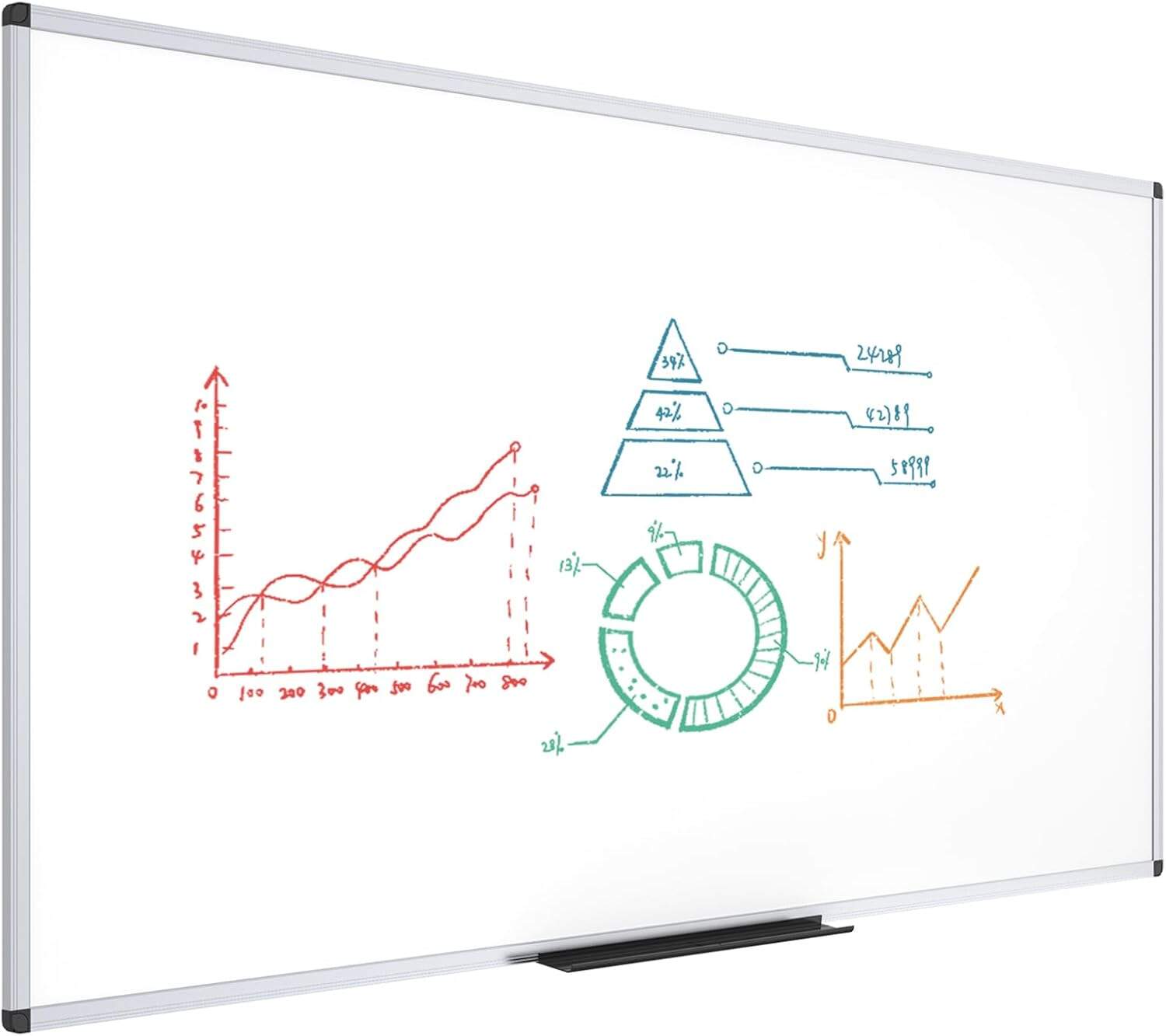
In the business world, whiteboards serve as catalysts for innovation and strategic planning. Project managers use them to create visual timelines, track progress, and adjust workflows in real-time. The whiteboard becomes a living document where teams can collaboratively solve problems and develop new ideas.
During brainstorming sessions, the whiteboard's generous space allows for multiple concepts to be explored simultaneously. Teams can easily organize thoughts, draw connections between ideas, and iterate on solutions while maintaining a clear visual record of the discussion's progression.
Educational Excellence
Teachers and trainers consistently turn to whiteboards as their preferred teaching tool. The flexibility to draw diagrams, write equations, or create mind maps on the fly makes complex subjects more accessible to learners. The whiteboard's immediate nature allows educators to pace their instruction according to student comprehension and adapt their teaching approach as needed.
In classroom settings, whiteboards create an environment where mistakes are not permanent, encouraging students to participate without fear of error. This feature is particularly valuable in subjects like mathematics and sciences, where problem-solving often requires trial and error.
Practical Features and Advantages
Versatility in Communication
A whiteboard adapts to various communication styles and needs. From quick sketches to detailed diagrams, the surface accommodates different types of visual expression. The ability to erase and modify content instantly makes it an ideal tool for iterative thinking and collaborative problem-solving.
The non-digital nature of whiteboards also means there are no technical barriers to entry. Anyone can pick up a marker and contribute, making it truly inclusive technology that bridges generational and technical skill gaps.
Cost-Effective Investment
When compared to digital alternatives, whiteboards represent a significant cost advantage. The initial investment is modest, and ongoing costs are minimal, limited to markers and occasional cleaning supplies. There's no need for software updates, power sources, or technical support.
The durability of modern whiteboards ensures years of reliable service, making them a smart long-term investment for any organization. Their low maintenance requirements and resistance to wear make them particularly suitable for high-use environments.
Environmental and Health Considerations
Sustainable Communication Tool
In an era of increasing environmental consciousness, whiteboards stand out as an eco-friendly choice. Unlike paper-based methods that generate waste, or digital devices that consume energy and eventually become electronic waste, whiteboards offer a sustainable solution for visual communication.
Modern whiteboards are often made with recyclable materials and can last for many years, reducing their environmental impact. The elimination of paper waste and reduced reliance on electronic devices make them an environmentally responsible choice for organizations committed to sustainability.
Ergonomic Benefits
Working with whiteboards encourages physical movement and natural postures. Unlike extended screen time, which can lead to digital eye strain and sedentary behavior, whiteboard use promotes standing, walking, and dynamic interaction with content.
The large format of whiteboards allows for comfortable viewing distances and natural eye movement, reducing the risk of visual fatigue. This makes them particularly valuable in environments where extended periods of focus are required.
Frequently Asked Questions
How long does a quality whiteboard typically last?
A well-maintained, high-quality whiteboard can last 10-15 years or more with proper care. Regular cleaning and using appropriate markers are key factors in extending its lifespan.
What surface types are available for whiteboards?
Whiteboards come in various surfaces including melamine, porcelain, and glass. Porcelain and glass surfaces offer superior durability and resistance to staining, while melamine provides a more economical option for less frequent use.
Can whiteboards be effectively integrated with digital tools?
Yes, many modern whiteboards can be used alongside digital tools through special markers that enable content capture, or hybrid systems that combine traditional whiteboard functionality with digital projection and recording capabilities.
What maintenance is required for a whiteboard?
Regular maintenance includes daily erasing, weekly cleaning with whiteboard cleaner, and avoiding the use of permanent markers. It's also important to use high-quality dry-erase markers and clean erasers to prevent ghosting and staining.