EN
EN


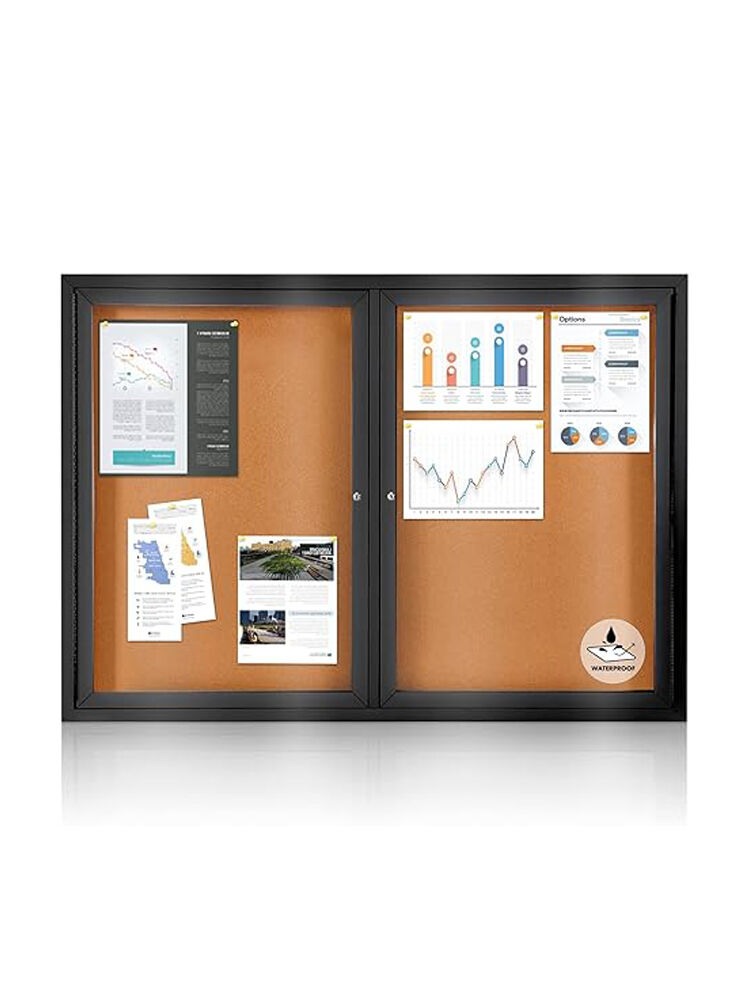
Modern professionals and busy households constantly seek effective solutions to manage their daily tasks and maintain organized spaces. A pin board serves as one of the most versatile and practical organizational tools available, offering a simple yet powerful way to display information, track progress, and keep important items visible. These traditional organizational systems have evolved to meet contemporary needs while maintaining their fundamental appeal as accessible display surfaces. The effectiveness of a pin board lies in its ability to transform any wall space into a dynamic organizational hub that adapts to changing requirements and priorities.
Enhanced Visual Organization and Task Management
Immediate Visual Access to Important Information
Visual organization represents one of the primary advantages of implementing a pin board system in any workspace or home environment. Unlike digital alternatives that require screen time and navigation, a pin board provides instant visual access to critical information, deadlines, and reminders. This immediate visibility helps reduce the cognitive load associated with remembering multiple tasks while ensuring nothing important gets overlooked. The physical nature of a pin board creates a constant visual reminder that digital notifications often fail to provide consistently.
The strategic placement of documents, photos, and notes on a pin board creates visual hierarchies that help prioritize tasks naturally. Users can position the most urgent items at eye level while placing less critical information in peripheral areas. This spatial organization mimics natural thought processes and makes information retrieval more intuitive than traditional filing systems or digital folders.
Flexible Layout and Customization Options
A quality pin board offers unlimited customization possibilities that adapt to individual organizational styles and changing needs. Users can create dedicated sections for different projects, departments, or family members without requiring additional software or technical expertise. The ability to rearrange, remove, or add items instantly makes a pin board more responsive than rigid organizational systems that require structural changes.
The flexibility extends to accommodating various document sizes, from small sticky notes to large charts and calendars. This versatility ensures that a pin board can serve multiple organizational functions simultaneously, whether displaying project timelines, tracking goals, or showcasing inspirational content. The physical manipulation of items on a pin board also engages tactile learning preferences, making organization feel more hands-on and engaging.
Improved Productivity and Workflow Management
Streamlined Daily Planning and Review Processes
Implementing a pin board system significantly enhances daily planning efficiency by providing a centralized location for all scheduling and task-related information. The visual nature of a pin board allows users to see their entire day, week, or month at a glance, facilitating better time management and resource allocation. This comprehensive overview helps identify potential conflicts, gaps in scheduling, or opportunities for optimization that might be missed when using fragmented digital tools.
The physical interaction required to update a pin board creates a more mindful approach to task management. Moving completed items to a finished section or updating progress markers provides a satisfying sense of accomplishment that digital checkboxes often fail to deliver. This tactile engagement reinforces positive organizational behaviors and maintains motivation for continued productivity improvement.
Team Collaboration and Communication Enhancement
In collaborative environments, a pin board serves as an excellent communication tool that keeps all team members informed about project status, deadlines, and shared responsibilities. The public nature of pin board displays encourages transparency and accountability while reducing the need for frequent status meetings or email updates. Team members can quickly assess project progress and identify areas where their input or assistance might be needed.
The collaborative aspect of a pin board extends beyond professional environments to family organization, where household members can coordinate schedules, share important dates, and communicate about shared responsibilities. This visible communication reduces misunderstandings and ensures everyone stays informed about family activities and commitments without requiring constant verbal updates or digital notifications.
Cost-Effective and Sustainable Organization Solution
Long-Term Value and Durability Benefits
A well-constructed pin board represents an excellent long-term investment for organizational needs, offering years of reliable service without requiring upgrades, subscriptions, or technical maintenance. Unlike digital organization tools that may become obsolete or require costly updates, a quality pin board maintains its functionality regardless of technological changes. This durability makes it an economically sound choice for both personal and professional organizational requirements.
The initial investment in a pin board pays dividends through reduced printing costs, as documents can be displayed and reused multiple times without degradation. The ability to accommodate various paper sizes and types also eliminates the need for specialized printing or formatting, making document display more cost-effective over time. This economic efficiency becomes particularly valuable in educational and business environments where document display needs are frequent and varied.
Environmentally Conscious Organization Method
Choosing a pin board over digital alternatives contributes to environmental sustainability by reducing electronic waste and energy consumption. The manufacturing footprint of a quality pin board is typically much lower than electronic devices, and the longevity of cork and wood materials makes them more environmentally responsible choices. Additionally, the ability to reuse and repurpose documents on a pin board reduces paper waste compared to systems that require frequent printing and disposal.
The natural materials commonly used in pin board construction, such as cork and wood, are renewable resources that biodegrade at the end of their useful life. This environmental consideration becomes increasingly important as organizations and individuals seek to reduce their ecological impact while maintaining effective operational systems. A pin board supports these sustainability goals without compromising organizational effectiveness.
Versatile Applications Across Different Environments
Home Organization and Family Communication
In residential settings, a pin board serves multiple organizational functions that help streamline household management and improve family communication. From displaying school calendars and medical appointments to showcasing children's artwork and achievement certificates, a pin board becomes a central hub for family information sharing. The visibility of shared schedules helps prevent conflicts and ensures all family members stay informed about upcoming events and responsibilities.
The decorative potential of a pin board also adds aesthetic value to living spaces while serving practical organizational purposes. Families can create themed displays that change seasonally or showcase evolving interests and achievements. This dual function as both organizational tool and decorative element makes a pin board an excellent addition to kitchens, home offices, or family rooms where both functionality and appearance matter.
Professional and Educational Workplace Integration
Professional environments benefit significantly from pin board implementation, particularly in areas where visual project management and team communication are essential. Creative industries use pin board displays for mood boards, concept development, and client presentations, while educational institutions rely on them for curriculum planning, student work displays, and administrative communication. The flexibility of a pin board accommodates diverse professional needs without requiring specialized training or technical expertise.
In educational settings, teachers utilize pin board systems to create interactive learning environments where student work, lesson objectives, and classroom rules remain visible and accessible. This constant visual reinforcement supports learning outcomes while helping maintain classroom organization and student engagement. The ability to easily update and modify pin board displays ensures that classroom information stays current and relevant throughout the academic year.
Cognitive and Psychological Benefits of Physical Organization
Enhanced Mental Clarity and Focus
The psychological benefits of using a pin board extend beyond simple organization to include improved mental clarity and reduced cognitive burden. When important information is visibly organized on a pin board, individuals experience less mental fatigue from trying to remember multiple details and deadlines. This external memory support allows mental resources to be redirected toward creative and analytical tasks rather than information retention.
Research in environmental psychology suggests that organized physical spaces contribute to improved focus and reduced stress levels. A well-organized pin board creates a sense of control and order that positively impacts mental well-being and productivity. The visual organization provided by a pin board helps reduce the anxiety often associated with feeling overwhelmed by multiple tasks or competing priorities.
Motivation and Achievement Recognition
A pin board serves as an excellent tool for tracking progress and celebrating achievements, both personal and professional. The ability to display completed projects, positive feedback, or milestone markers provides ongoing motivation and reinforces successful behaviors. This visual recognition system helps maintain momentum during long-term projects and provides psychological rewards that support continued effort and engagement.
The practice of physically moving items from a pending section to a completed area on a pin board creates a satisfying ritual that reinforces accomplishment. This tactile interaction with achievement tracking provides more psychological satisfaction than digital alternatives and helps maintain motivation for continued productivity and goal pursuit.
FAQ
What materials work best for pin board construction and longevity
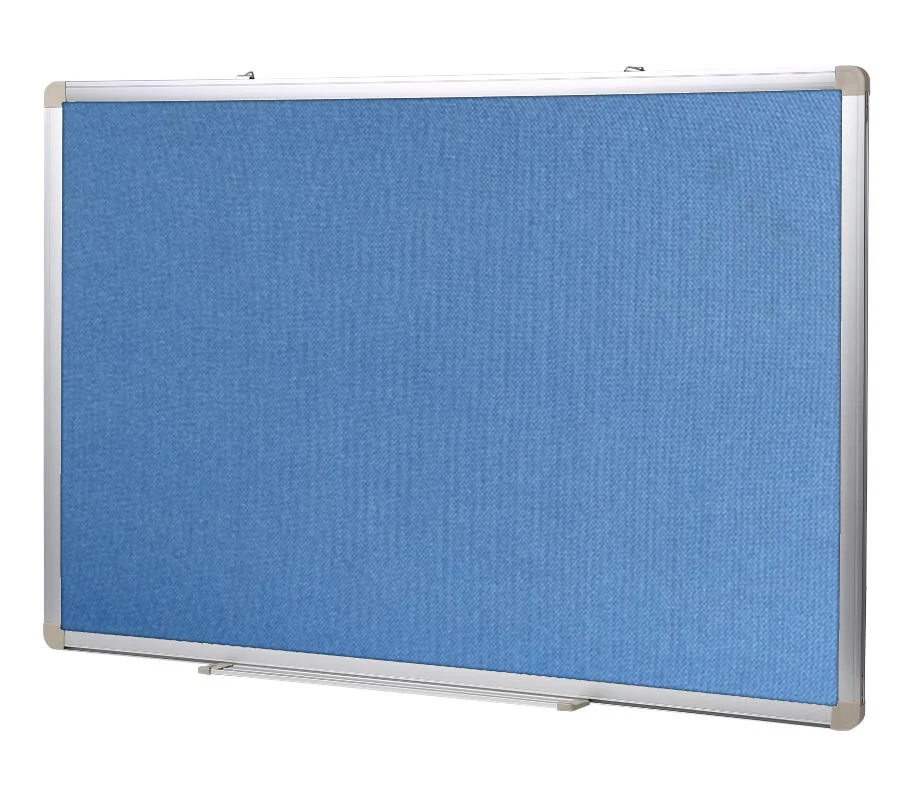
Cork remains the most popular and effective material for pin board surfaces due to its self-healing properties and ability to hold pins securely without deteriorating over time. High-density cork provides excellent durability while maintaining the flexibility needed for frequent pin insertion and removal. Fabric-covered boards offer aesthetic appeal but may require more maintenance, while composite materials provide cost-effective alternatives with good durability for lighter use applications.
How should I determine the optimal size and placement for a pin board
Pin board sizing should be based on the volume of information you plan to display regularly, with additional space for growth and seasonal variations. A standard 36x24 inch pin board works well for most home offices and small teams, while larger installations may require modular systems or custom sizing. Placement should prioritize visibility and accessibility, typically at eye level in frequently used spaces where natural lighting is adequate for reading displayed materials.
What maintenance practices extend pin board lifespan and effectiveness
Regular cleaning with a soft brush or vacuum removes dust and debris that can accumulate in cork surfaces over time. Rotating the types of pins used and varying their placement prevents excessive wear in specific areas. Protecting the pin board from direct sunlight and extreme humidity helps prevent material degradation, while periodic inspection for loose mounting hardware ensures continued safe installation.
Can pin board systems integrate effectively with digital organization tools
Pin board systems complement digital organization tools effectively by providing visual reinforcement for digital planning and task management. Many users print important digital calendar items, project summaries, or goal tracking sheets for pin board display, creating a hybrid system that combines digital convenience with visual organization benefits. This integration allows users to leverage the strengths of both physical and digital organizational approaches while maintaining flexibility in their management systems.