EN
EN


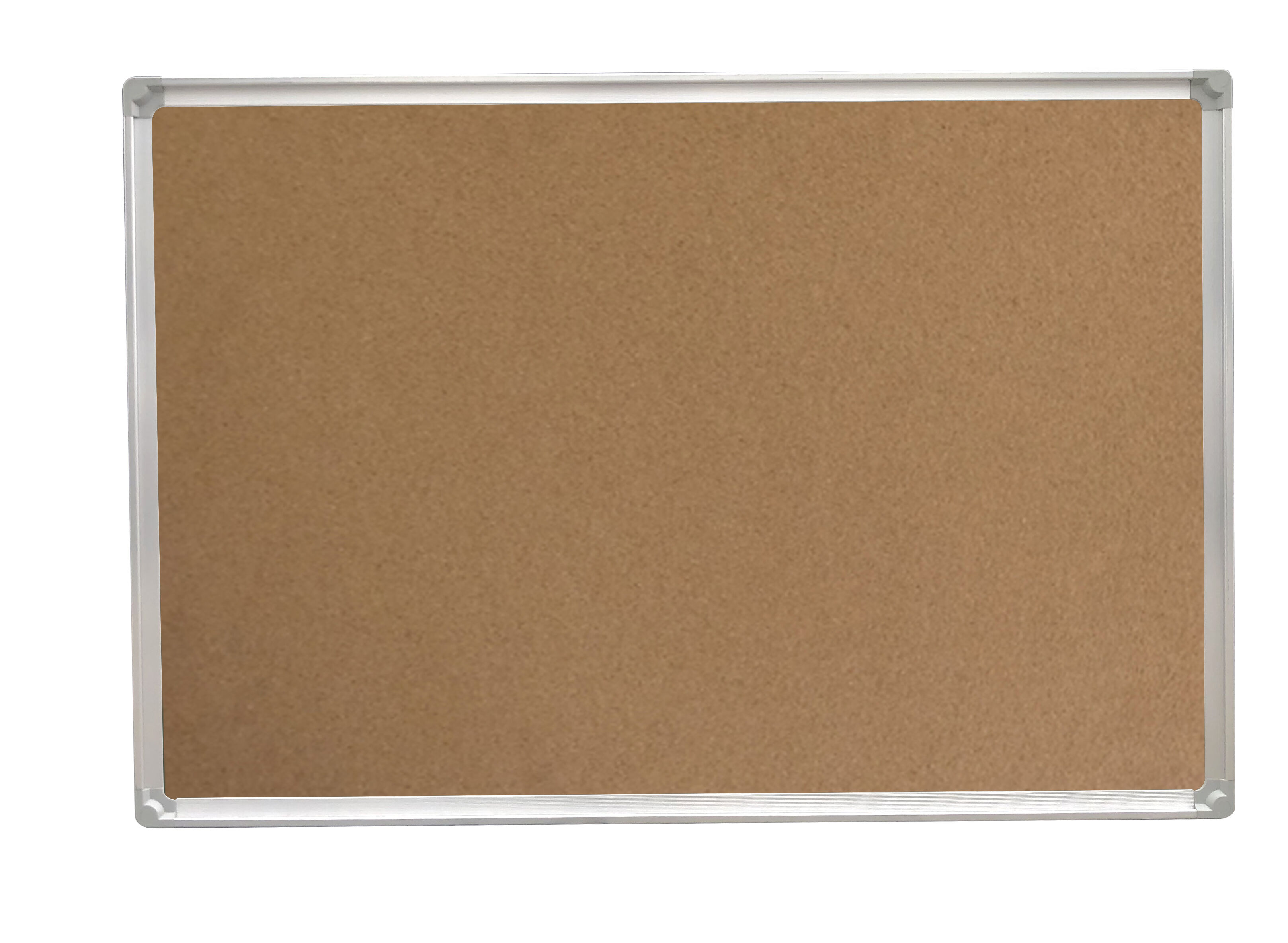
In today's fast-paced work environment, effective communication remains the cornerstone of organizational success. Whether managing a busy office, coordinating classroom activities, or organizing a home workspace, the need for reliable message display solutions has never been greater. A pin board serves as an invaluable tool for maintaining clear, visible communication that keeps everyone informed and engaged. Unlike digital alternatives that can malfunction or require constant updates, a traditional pin board offers simplicity, reliability, and immediate visual impact that captures attention and delivers messages effectively.
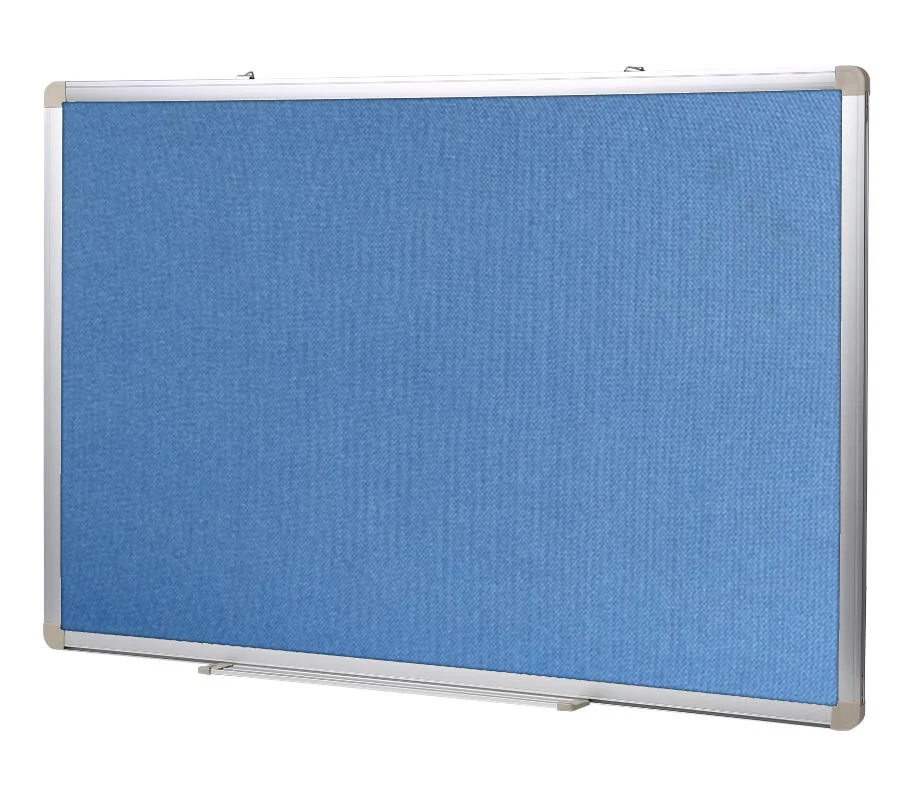
The versatility of a pin board extends far beyond simple note posting, transforming any space into a dynamic communication hub. Modern pin board designs incorporate durable materials and aesthetic appeal that complement professional environments while maintaining practical functionality. From cork surfaces that accommodate various fastening methods to fabric-covered options that blend seamlessly with interior design schemes, these display solutions adapt to diverse organizational needs and preferences.
Essential Features That Make Pin Boards Ideal Communication Tools
Durable Construction and Material Quality
Professional-grade pin board construction ensures long-lasting performance in high-traffic environments. Quality cork surfaces provide excellent grip for pins, thumbtacks, and staples while maintaining their integrity through repeated use. The backing material, typically made from compressed wood or high-density fiberboard, offers stability and prevents warping or sagging over time. Premium frames constructed from solid wood or aluminum provide both structural support and aesthetic appeal that enhances any professional setting.
Surface treatments applied to modern pin board designs resist wear, fading, and moisture damage that could compromise functionality. Self-healing cork naturally closes pin holes when fasteners are removed, maintaining a clean appearance even with frequent message updates. The frame construction includes reinforced corners and secure mounting hardware that ensures safe, permanent installation on various wall surfaces.
Optimal Size and Mounting Options
Strategic sizing considerations make pin board selection crucial for maximizing message visibility and workspace efficiency. Standard dimensions ranging from compact 18x24 inches to expansive 4x8 feet accommodate different space requirements and message volumes. Wall-mounted configurations save valuable floor space while positioning messages at optimal viewing heights for standing and seated individuals.
Mounting hardware designed for pin board installations includes heavy-duty brackets, wall anchors, and leveling systems that ensure secure, professional presentation. Adjustable mounting systems accommodate various wall types including drywall, concrete, and brick surfaces. Some advanced pin board models feature modular designs that allow multiple boards to connect seamlessly, creating expansive message display areas that grow with organizational needs.
Strategic Applications Across Different Environments
Office and Corporate Settings
Corporate environments benefit tremendously from strategically placed pin board installations that facilitate team communication and project coordination. Conference rooms equipped with dedicated message boards enable meeting organizers to post agendas, reference materials, and action items that remain visible throughout discussions. Break rooms and common areas utilize pin board displays for company announcements, policy updates, and employee recognition programs that build workplace culture and engagement.
Project management applications leverage pin board functionality for tracking deliverables, milestones, and team assignments. Visual project timelines, resource allocation charts, and progress updates posted on centralized boards keep stakeholders informed and aligned. Department-specific installations serve specialized communication needs, from safety protocols in manufacturing areas to client information in service departments.
Educational and Training Environments
Educational institutions rely on pin board systems to create dynamic learning environments that engage students and support curriculum delivery. Classroom installations enable teachers to display learning objectives, assignment schedules, and student work that reinforce lessons and celebrate achievements. Library and study areas utilize message boards for resource announcements, event notifications, and collaborative project coordination that enhances the learning experience.
Training facilities and professional development centers employ pin board displays for course materials, certification requirements, and industry updates that support continuous learning initiatives. Interactive displays encourage participant engagement through feedback collection, question posting, and resource sharing that enriches educational programs. Administrative areas use pin board systems for policy communications, scheduling updates, and procedural changes that affect staff and students.
Design Considerations for Maximum Impact
Color Coordination and Visual Appeal
Effective pin board design incorporates color psychology and visual hierarchy principles that enhance message comprehension and retention. Natural cork tones provide neutral backgrounds that complement various document colors and prevent visual competition that could reduce message effectiveness. Fabric-covered surfaces offer color customization options that align with corporate branding or interior design schemes while maintaining professional appearance standards.
Frame selection influences overall aesthetic impact and environmental integration. Wood frames provide warmth and traditional appeal suitable for executive offices and conference rooms, while metal frames offer modern, industrial aesthetics appropriate for technical environments and contemporary workspaces. Color-coordinated pins, borders, and organizational accessories create cohesive visual presentations that reflect organizational professionalism and attention to detail.
Layout Organization and Message Hierarchy
Strategic pin board organization systems maximize information accessibility and visual impact through structured layout approaches. Zone-based arrangements designate specific areas for different message types, such as urgent announcements, general information, and recreational content. Header systems using colored paper or printed banners clearly identify content categories and improve navigation efficiency for frequent users.
Priority-based positioning places critical messages at eye level and center locations where they receive maximum attention. Less urgent information occupies peripheral areas while maintaining visibility and accessibility. Regular rotation schedules ensure content freshness and prevent information overload that reduces overall effectiveness. Size variations in posted materials create visual interest and emphasize important messages through strategic emphasis techniques.
Maintenance and Longevity Best Practices
Surface Care and Preservation
Proper pin board maintenance extends service life and maintains professional appearance through consistent care routines. Regular surface cleaning removes dust, debris, and adhesive residues that accumulate from frequent use. Gentle brushing with soft-bristled tools removes embedded particles without damaging cork surfaces or fabric coverings. Periodic conditioning treatments restore cork flexibility and prevent cracking or deterioration in dry environments.
Frame maintenance includes hardware inspection, tightening loose connections, and touch-up painting or staining as needed to maintain aesthetic appeal. Wall mounting systems require periodic checks to ensure continued security and proper alignment. Replacement of worn pins, damaged backing materials, or faded surfaces maintains optimal functionality and professional appearance throughout the pin board's service life.
Content Management Systems
Effective pin board management requires systematic approaches to content posting, updating, and removal that maintain organization and relevance. Designated responsibility assignments ensure consistent maintenance and timely updates that keep information current and valuable. Dating systems for posted materials facilitate regular review cycles and prevent outdated information from cluttering display areas.
Archive procedures for removed content support reference needs and compliance requirements while maintaining board organization. Digital photography of important displays creates backup records and enables content sharing through electronic channels. Standardized posting procedures ensure consistent appearance and maximize available display space through efficient layout techniques.
Integration with Modern Workplace Technology
Hybrid Communication Strategies
Contemporary pin board applications complement digital communication systems by providing persistent, always-visible information displays that don't require device interaction. QR code integration enables seamless connection between physical displays and digital resources, allowing viewers to access detailed information, multimedia content, or interactive elements through smartphone scanning. This hybrid approach maximizes communication reach while maintaining the immediate visual impact that makes pin board displays so effective.
Integration with project management software creates dynamic displays where pin board content reflects real-time project status updates, milestone achievements, and resource allocations. Printed dashboards, chart updates, and progress reports posted on pin board surfaces provide at-a-glance status information that complements detailed digital tracking systems. This combination ensures critical information remains visible even when team members are away from their computers or mobile devices.
Collaborative Workspace Enhancement
Modern collaborative environments utilize pin board installations as focal points for team interaction and creative processes. Brainstorming sessions benefit from large-format pin board displays that accommodate sticky notes, sketches, and printed materials that support ideation and concept development. The tactile nature of pin board interaction encourages participation and engagement that purely digital alternatives often cannot match.
Agile methodology implementations leverage pin board systems for sprint planning, task tracking, and retrospective activities that require physical manipulation of information cards and visual elements. Team members can quickly reorganize priorities, update status indicators, and collaborate on problem-solving activities using pin board surfaces as dynamic workspace tools. This physical interaction promotes team bonding and creative thinking that enhances overall project outcomes.
FAQ
What size pin board works best for office environments
The optimal pin board size depends on available wall space, viewing distance, and message volume requirements. For individual offices or small meeting rooms, 24x36 inches provides adequate display area without overwhelming the space. Larger conference rooms and common areas benefit from 36x48 inches or 4x6 feet installations that accommodate multiple message categories and ensure visibility from various seating positions. Consider mounting height and viewing angles when selecting dimensions to maximize accessibility and impact.
How often should pin board content be updated
Content update frequency depends on information type and organizational needs, but weekly reviews ensure relevance and prevent clutter accumulation. Time-sensitive announcements require immediate posting and removal once expired, while reference materials may remain posted for months with periodic relevance assessments. Establish clear posting guidelines that include expiration dates, approval processes, and removal responsibilities to maintain board organization and effectiveness.
Can pin boards be used effectively in humid environments
Quality pin board construction withstands moderate humidity levels common in most indoor environments, but extreme conditions may require special considerations. Sealed frame construction and moisture-resistant backing materials provide protection against humidity-related damage. Regular ventilation and climate control help maintain optimal conditions for pin board longevity. For consistently humid environments, consider alternative materials like vinyl-covered surfaces or aluminum frames that offer enhanced moisture resistance.
What accessories enhance pin board functionality
Essential pin board accessories include color-coded pins, magnetic strips for metal-backed boards, clear protective sleeves for important documents, and removable headers for content organization. Border systems create defined zones for different information types, while string or ribbon grids provide structured layouts for systematic content arrangement. Document holders, small shelves, and writing accessories integrated with pin board installations create comprehensive communication centers that support various workplace needs.