EN
EN



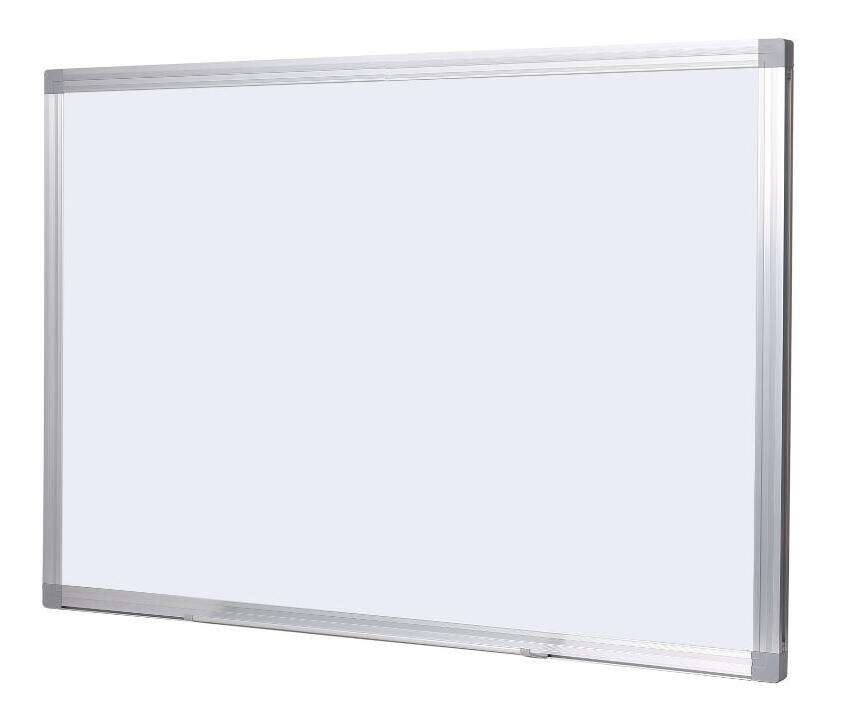
Modern work environments demand versatile and space-efficient solutions that enhance productivity and collaboration. A sliding whiteboard represents an innovative approach to maximizing workspace functionality while maintaining the essential communication tools teams need. These dynamic presentation surfaces offer remarkable flexibility compared to traditional fixed whiteboards, allowing organizations to adapt their spaces according to immediate needs and changing requirements.
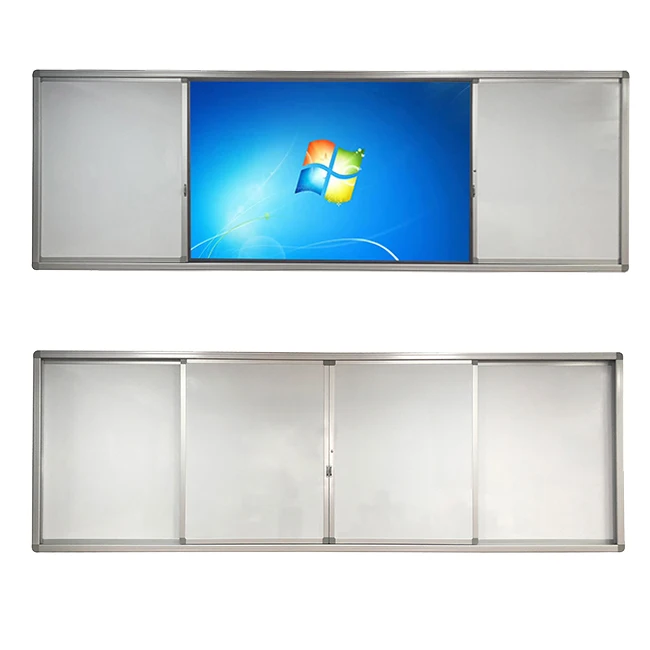
The implementation of sliding whiteboard systems has revolutionized how teams approach brainstorming sessions, project planning, and visual communication. Unlike stationary alternatives, these moveable surfaces provide unprecedented versatility in workspace configuration, enabling seamless transitions between different meeting formats and presentation styles. Organizations across various industries have discovered that investing in quality sliding whiteboard solutions significantly improves both space utilization and collaborative outcomes.
Understanding the comprehensive benefits of sliding whiteboard installations helps decision-makers make informed choices about their workspace optimization strategies. From enhanced mobility and storage efficiency to improved accessibility and design aesthetics, these advanced presentation tools offer multiple advantages that extend far beyond basic writing surfaces. The following exploration examines the key benefits that make sliding whiteboards an essential component of modern professional environments.
Space Optimization and Flexibility Benefits
Maximizing Limited Floor Space
Contemporary offices often struggle with space constraints that limit their ability to accommodate multiple presentation surfaces. A sliding whiteboard system addresses this challenge by providing multiple writing surfaces within the footprint of a single traditional board. When one surface is in use, additional panels remain hidden behind it, ready to be accessed instantly without requiring additional wall space or room reconfiguration.
The space-saving design of sliding whiteboard systems proves particularly valuable in environments where every square foot matters. Educational institutions, corporate offices, and creative agencies benefit from the ability to have multiple clean writing surfaces available without dedicating extensive wall space to accommodate them. This efficiency allows organizations to allocate their limited space more effectively while ensuring adequate presentation capabilities remain available.
Organizations implementing sliding whiteboard solutions often discover they can accommodate more meeting configurations within existing spaces. The ability to quickly reveal fresh writing surfaces means teams can conduct extended brainstorming sessions without interrupting their creative flow to erase and reorganize existing content. This continuity proves essential for maintaining momentum during complex problem-solving activities.
Adaptive Workspace Configuration
Modern work methodologies demand flexible environments that can adapt to various collaboration styles and meeting formats. Sliding whiteboard systems enable rapid workspace transformation, allowing teams to customize their environment based on specific project requirements or presentation needs. The ability to position different surfaces at optimal viewing angles enhances accessibility and ensures all participants can engage effectively with the content.
The modular nature of quality sliding whiteboard installations supports diverse working styles and preferences. Teams can designate specific panels for different purposes, such as project timelines, brainstorming areas, or reference materials, while maintaining the flexibility to reconfigure these assignments as needs evolve. This adaptability proves particularly valuable in dynamic environments where project requirements frequently change.
Facility managers appreciate how sliding whiteboard systems simplify room scheduling and setup procedures. The ability to prepare multiple presentation surfaces in advance streamlines meeting transitions and reduces downtime between sessions. This efficiency improvement translates to better resource utilization and increased satisfaction among users who depend on reliable presentation tools for their daily activities.
Enhanced Collaboration and Productivity
Seamless Team Interaction
Effective collaboration requires tools that facilitate natural interaction and idea sharing among team members. A well-designed sliding whiteboard system removes barriers to participation by providing ample writing space that multiple contributors can access simultaneously. The ability to work on different sections or panels allows teams to organize their thoughts more effectively while maintaining visual connections between related concepts.
The smooth operation of modern sliding whiteboard mechanisms ensures that surface transitions occur without disrupting the creative process. Teams can seamlessly move between different discussion topics or project phases by simply sliding to reveal prepared content or clean surfaces. This fluid interaction maintains engagement levels and prevents the momentum loss that often occurs when groups must pause to clear or reorganize their workspace.
Research indicates that visual collaboration tools significantly impact team performance and innovation outcomes. sliding whiteboard installations provide the visual workspace that teams need to explore complex problems, map relationships between ideas, and develop comprehensive solutions through iterative refinement processes.
Improved Information Organization
Complex projects often generate substantial amounts of information that require careful organization and easy access. Sliding whiteboard systems enable teams to maintain multiple information streams simultaneously without creating visual clutter or confusion. Different panels can be designated for specific purposes, such as action items, research findings, or creative concepts, allowing teams to maintain clear separation while preserving the ability to reference all materials quickly.
The ability to preserve work across multiple surfaces proves invaluable during extended project cycles. Teams can maintain reference materials on background panels while using foreground surfaces for active work, eliminating the need to recreate important information repeatedly. This preservation capability supports more sophisticated planning processes and enables teams to build upon previous work more effectively.
Project managers find that sliding whiteboard systems enhance their ability to track progress and communicate status updates. The visual nature of these tools makes it easier to identify bottlenecks, resource conflicts, and timeline issues that might otherwise remain hidden in traditional documentation. This transparency improves decision-making and helps teams maintain alignment throughout project execution.
Installation and Maintenance Advantages
Simplified Setup Procedures
Professional installation of sliding whiteboard systems has become increasingly straightforward due to improved mounting hardware and standardized procedures. Modern systems typically require minimal wall preparation and can be installed in most commercial environments without extensive modifications. The modular design of quality sliding whiteboard products allows for customization during installation to accommodate specific space requirements and user preferences.
Installation teams appreciate the precise engineering that characterizes contemporary sliding whiteboard systems. Robust track mechanisms and reliable hardware components ensure smooth operation while minimizing maintenance requirements over the product lifecycle. The attention to detail in manufacturing translates to installations that perform consistently and reliably under regular use conditions.
Organizations benefit from the relatively quick installation timeline associated with modern sliding whiteboard systems. Unlike complex audiovisual installations that may require extensive downtime, these systems can typically be installed and ready for use within a single day. This efficiency minimizes disruption to ongoing operations while providing immediate access to enhanced collaboration capabilities.
Long-Term Durability and Performance
Quality sliding whiteboard systems are engineered for sustained performance under regular institutional use. The materials and construction methods employed in professional-grade products ensure that writing surfaces maintain their appearance and functionality over extended periods. This durability proves essential for organizations that depend on these tools for daily operations and cannot afford frequent replacements or repairs.
Maintenance requirements for well-designed sliding whiteboard installations remain minimal throughout their operational lifecycle. Regular cleaning with appropriate materials preserves surface quality, while periodic lubrication of track mechanisms ensures continued smooth operation. The simplicity of these maintenance procedures allows facility staff to handle routine care without requiring specialized training or equipment.
The return on investment for sliding whiteboard systems becomes apparent through their extended service life and consistent performance. Organizations that invest in quality installations often find that these tools remain functional and attractive for many years, providing ongoing value that justifies the initial investment. This longevity makes sliding whiteboard systems a cost-effective solution for long-term facility planning.
Design Integration and Aesthetic Appeal
Professional Appearance Standards
Modern sliding whiteboard systems contribute positively to professional environment aesthetics through clean lines and sophisticated design elements. The sleek profile of contemporary installations complements rather than dominates room design, allowing these functional tools to integrate seamlessly with existing décor and architectural features. This aesthetic consideration proves important for client-facing spaces and executive areas where appearance standards remain paramount.
The variety of frame finishes and surface options available in quality sliding whiteboard systems enables customization that aligns with organizational branding and design preferences. From minimalist chrome accents to warm wood-tone frames, these systems can be specified to enhance rather than detract from carefully planned interior environments. This design flexibility ensures that functional requirements and aesthetic goals can be achieved simultaneously.
Architects and interior designers increasingly specify sliding whiteboard systems in their commercial projects due to the balance these products achieve between functionality and visual appeal. The ability to conceal multiple surfaces when not in use helps maintain clean sight lines and uncluttered appearances that support focused work environments.
Customization and Brand Integration
Organizations with specific brand identity requirements find that sliding whiteboard systems can be customized to reinforce their visual standards. Custom graphics, logos, or color schemes can be incorporated into the installation to create cohesive environments that reflect corporate identity while providing essential functionality. This integration capability proves valuable for companies that prioritize consistent brand expression across all facility elements.
The flexibility inherent in sliding whiteboard design allows for unique configurations that address specific workflow requirements or space constraints. Custom sizing, panel arrangements, and mounting configurations ensure that each installation optimizes the available space while meeting the particular needs of its users. This customization capability distinguishes professional installations from generic alternatives.
Educational institutions particularly benefit from the ability to integrate sliding whiteboard systems with their existing teaching methodologies and classroom designs. The adaptability of these systems supports diverse instructional approaches while maintaining the professional appearance that enhances learning environments and reflects institutional quality standards.
FAQ
What makes sliding whiteboards different from traditional fixed whiteboards
Sliding whiteboards offer multiple writing surfaces within the space footprint of a single traditional board, providing significantly more usable area while maintaining the same wall mounting requirements. The sliding mechanism allows users to access different panels quickly without erasing existing content, supporting more complex projects and extended collaboration sessions. This design provides superior space efficiency and workflow flexibility compared to fixed alternatives.
How difficult is the installation process for sliding whiteboard systems
Professional sliding whiteboard installation typically requires one day for standard configurations and minimal disruption to ongoing operations. The process involves mounting the track system securely to the wall and installing the sliding panels according to manufacturer specifications. Most commercial walls can accommodate these systems without major modifications, though structural assessment ensures proper support for the installation weight and operational forces.
What maintenance requirements should be expected with sliding whiteboards
Regular maintenance involves cleaning the writing surfaces with appropriate whiteboard cleaners and occasionally lubricating the track mechanism to ensure smooth sliding operation. Quality systems require minimal maintenance beyond routine cleaning, with track adjustments or component replacement rarely necessary during normal operational lifecycles. Proper care preserves both appearance and functionality for many years of reliable service.
Are sliding whiteboards suitable for high-traffic environments
Professional-grade sliding whiteboard systems are specifically engineered for intensive institutional use, featuring robust construction and commercial-quality components that withstand frequent operation. The track mechanisms and mounting hardware are designed to handle repeated sliding cycles while maintaining smooth operation and structural integrity. These systems prove particularly valuable in educational settings, corporate training rooms, and collaborative workspaces where daily use is expected.