EN
EN



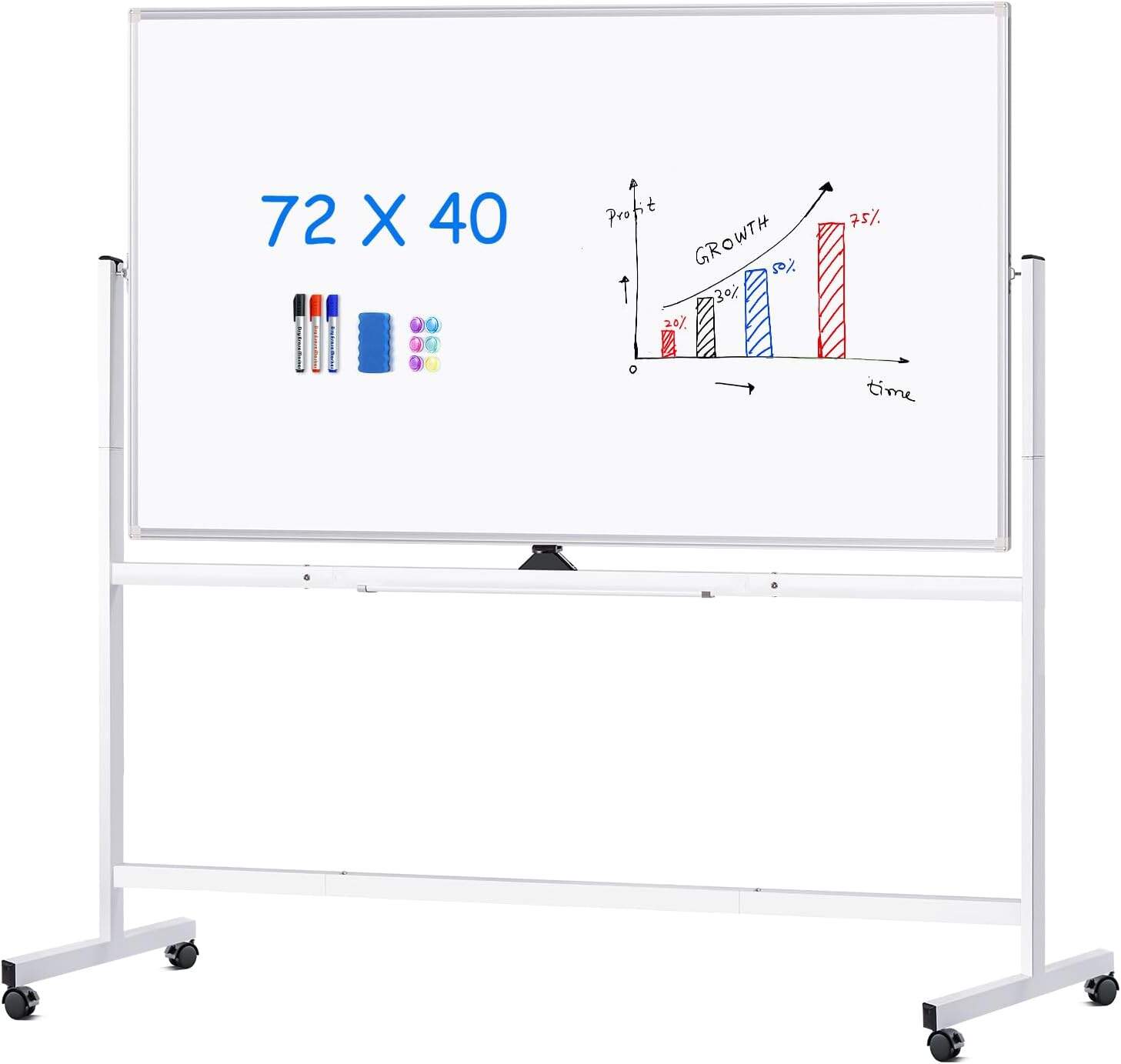
Modern workspaces and educational environments demand flexibility and efficiency in every aspect of their design. A sliding whiteboard represents the perfect solution for spaces that need to maximize functionality while maintaining aesthetic appeal. These innovative boards combine the traditional benefits of whiteboard surfaces with space-saving mechanics that allow users to access multiple writing surfaces without consuming additional wall space. The growing popularity of sliding whiteboard systems stems from their ability to transform any room into a more productive and organized environment.
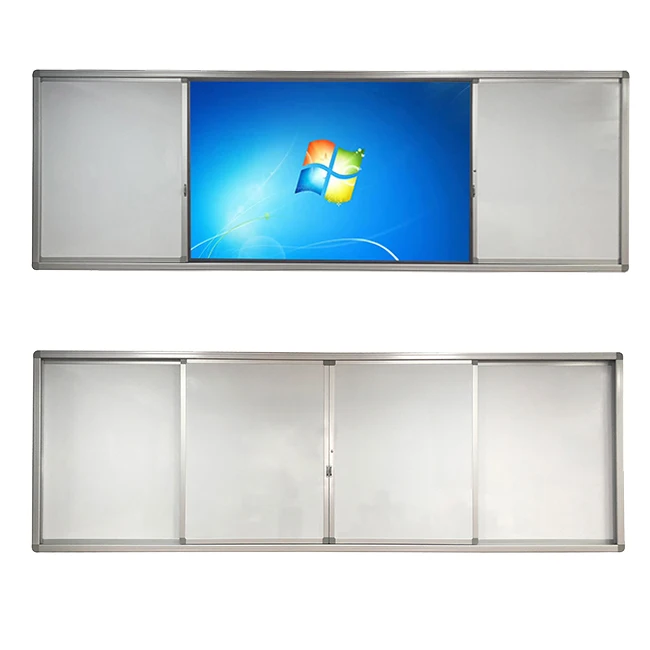
Organizations worldwide are recognizing the value that sliding whiteboard installations bring to their daily operations. From corporate boardrooms to university lecture halls, these versatile surfaces provide unmatched convenience and functionality. The sliding mechanism allows multiple boards to occupy the same wall space, effectively doubling or tripling the available writing surface area. This innovation addresses common space constraints while ensuring that important information remains visible and accessible when needed.
Space Optimization Benefits
Maximizing Wall Real Estate
The primary advantage of a sliding whiteboard system lies in its ability to multiply available writing space without requiring additional wall area. Traditional whiteboard installations limit users to a single surface, but sliding systems can accommodate two, three, or even more panels within the same footprint. This space efficiency proves invaluable in cramped offices, small classrooms, or meeting rooms where every square foot matters. The sliding mechanism operates smoothly on precision-engineered tracks, ensuring that accessing different panels remains effortless throughout the board's lifespan.
Modern sliding whiteboard designs incorporate advanced engineering principles that distribute weight evenly across the mounting system. This balanced approach prevents sagging and ensures that each panel maintains its position securely when not in use. The track systems feature high-quality bearings and guides that minimize friction, allowing even large panels to slide with minimal effort. Users can quickly transition between different writing surfaces, making these systems ideal for dynamic presentations or collaborative work sessions that require multiple information displays.
Vertical Storage Solutions
Beyond horizontal sliding configurations, some sliding whiteboard systems offer vertical movement options that further enhance space utilization. These vertical systems allow panels to slide up and down, revealing additional writing surfaces behind the primary board. This approach proves particularly valuable in spaces with high ceilings where vertical wall space exceeds horizontal availability. The vertical sliding mechanism typically employs counterweight systems or spring-assisted movements to ensure smooth operation regardless of panel size or weight.
The vertical sliding whiteboard concept extends the possibilities for creative space planning. Architects and interior designers increasingly specify these systems for modern buildings where flexibility and adaptability take precedence over static installations. The ability to reveal or conceal different sections of information allows presenters to control the flow of information during meetings or lectures, enhancing communication effectiveness while maintaining organized visual presentations.
Enhanced Functionality Features
Multi-Surface Writing Options
Contemporary sliding whiteboard systems often incorporate multiple surface types within a single installation. Users might have access to traditional dry-erase surfaces, magnetic receptive panels, and projection-ready surfaces all within the same sliding system. This diversity eliminates the need for separate installations of different board types, reducing both installation costs and wall space requirements. The magnetic capabilities allow for easy posting of documents, charts, and visual aids, while projection surfaces enable multimedia presentations without requiring separate screen installations.
The surface materials used in quality sliding whiteboard systems resist ghosting, staining, and scratching better than conventional alternatives. Advanced ceramic and porcelain enamel surfaces provide superior durability and maintain their appearance over years of heavy use. These premium surfaces erase cleanly with minimal effort, ensuring that previous content does not interfere with new information. The smooth writing experience encourages frequent use while reducing marker wear and replacement costs over time.
Integration with Technology
Modern sliding whiteboard installations frequently accommodate integrated technology solutions that enhance their utility beyond simple writing surfaces. LED lighting systems can illuminate the writing surface evenly, reducing shadows and improving visibility during presentations. Some systems incorporate digital display screens that slide alongside traditional writing surfaces, creating hybrid installations that serve both analog and digital communication needs.
Cable management solutions built into sliding whiteboard frames ensure that power and data connections remain organized and accessible. These integrated systems eliminate unsightly cable runs and provide convenient access points for laptops, projectors, and other presentation equipment. The combination of traditional writing surfaces with modern technology creates versatile communication hubs that adapt to various meeting styles and presentation formats.
Installation and Maintenance Considerations
Professional Installation Requirements
Proper installation of a sliding whiteboard system requires professional expertise to ensure smooth operation and long-term reliability. The mounting hardware must be securely anchored to wall studs or structural elements capable of supporting the full weight of multiple panels plus the dynamic loads created during sliding operations. Professional installers assess wall conditions, determine appropriate mounting methods, and ensure that track systems align perfectly to prevent binding or uneven wear patterns.
The installation process typically begins with precise measurements and layout marking to ensure that sliding whiteboard panels operate within their intended range of motion. Track mounting requires careful attention to level and alignment, as even minor deviations can cause operational problems over time. Professional installers use specialized tools and techniques to achieve the precision necessary for smooth, quiet operation throughout the system's operational life.
Maintenance and Longevity
Regular maintenance of sliding whiteboard systems focuses primarily on the track mechanisms and bearing assemblies that enable smooth panel movement. Periodic cleaning of tracks removes accumulated dust and debris that could interfere with sliding action. Most quality systems require only occasional lubrication of bearing points to maintain optimal performance. The writing surfaces themselves benefit from regular cleaning with appropriate cleaners designed specifically for whiteboard materials.
The durability of sliding whiteboard systems depends largely on the quality of materials and components used in their construction. Premium systems feature corrosion-resistant hardware, high-grade aluminum extrusions, and precision-manufactured track components that withstand years of regular use. Proper maintenance schedules typically extend system life expectancy to decades, making these installations excellent long-term investments for organizations prioritizing reliability and performance.
Cost-Effectiveness Analysis
Initial Investment Considerations
The upfront cost of a sliding whiteboard system typically exceeds that of conventional fixed installations, but the value proposition becomes clear when considering the increased functionality and space efficiency. Organizations save money by avoiding the need for multiple separate board installations while gaining significantly more usable writing surface area. The initial investment includes not only the sliding whiteboard panels themselves but also the specialized hardware, track systems, and professional installation services necessary for proper operation.
When evaluating sliding whiteboard costs, decision-makers should consider the long-term space savings and increased productivity that these systems enable. The ability to accommodate more information display within existing space constraints often eliminates the need for additional meeting rooms or expanded facilities. This space efficiency translates directly into real estate cost savings over time, making the higher initial investment economically justified for most applications.
Long-Term Value Proposition
The extended lifespan of quality sliding whiteboard systems contributes significantly to their overall value proposition. Unlike flip charts, paper pads, or temporary display solutions that require ongoing replacement costs, a well-maintained sliding whiteboard installation can serve an organization for decades. The durability of premium surface materials and mechanical components ensures consistent performance throughout the system's operational life, minimizing replacement and repair expenses.
Organizations that invest in sliding whiteboard technology often discover productivity improvements that justify the initial cost through enhanced collaboration and communication effectiveness. The convenience of accessing multiple writing surfaces encourages more frequent use and supports more dynamic presentation styles. Teams can maintain ongoing project information on different panels while using additional surfaces for brainstorming and planning activities, improving overall workflow efficiency.
Applications Across Industries
Educational Environments
Educational institutions represent the largest market for sliding whiteboard installations due to their unique space constraints and teaching requirements. Classrooms benefit enormously from the ability to display multiple lessons or reference materials simultaneously while maintaining clean writing surfaces for current instruction. Teachers can prepare lesson content on hidden panels and reveal information progressively during class, creating more engaging and organized learning experiences for students.
University lecture halls and seminar rooms utilize sliding whiteboard systems to accommodate different teaching styles and class sizes. Large sliding panels provide ample space for complex mathematical equations, scientific diagrams, or detailed explanations that require extensive writing area. The ability to preserve important information on one panel while working on another helps students follow complex topics that build upon previous concepts throughout the semester.
Corporate and Professional Settings
Business environments increasingly rely on sliding whiteboard technology to support collaborative work processes and project management activities. Conference rooms equipped with sliding systems can accommodate both formal presentations and interactive brainstorming sessions without requiring room reconfiguration. Project teams can maintain ongoing status boards while using additional panels for planning and problem-solving activities that require extensive visual documentation.
Professional service firms such as consulting companies, architectural offices, and engineering firms find sliding whiteboard installations particularly valuable for client presentations and internal project development. The ability to reveal different aspects of a project or proposal during client meetings creates more dynamic and engaging presentations while maintaining organized information flow. Multiple panels allow teams to compare alternatives, track progress, and document decisions throughout complex project lifecycles.
Selection Criteria and Specifications
Panel Size and Configuration Options
Selecting the appropriate sliding whiteboard configuration requires careful consideration of available wall space, intended usage patterns, and user accessibility requirements. Standard panel sizes range from compact 4x6 foot units suitable for small meeting rooms to large 4x12 foot panels designed for lecture halls and auditoriums. The number of panels in a sliding system typically ranges from two to five, depending on space availability and functional requirements.
Custom sizing options allow sliding whiteboard systems to fit virtually any space configuration while maximizing available writing area. Some manufacturers offer modular systems that can be expanded over time as needs change or budgets allow. The flexibility to specify exact dimensions ensures that sliding whiteboard installations integrate seamlessly with existing architecture and furniture layouts while providing optimal functionality for intended applications.
Surface Material and Quality Considerations
The quality of writing surface materials significantly impacts both the user experience and long-term cost effectiveness of sliding whiteboard installations. Premium porcelain enamel surfaces offer superior durability, stain resistance, and erasing characteristics compared to melamine or painted steel alternatives. These high-quality surfaces maintain their appearance and functionality even under heavy use conditions, justifying their higher initial cost through extended service life and reduced maintenance requirements.
Surface finish options affect both aesthetics and functionality of sliding whiteboard systems. Matte finishes reduce glare and provide excellent visibility under various lighting conditions, while semi-gloss surfaces offer easier cleaning and maintenance. Some applications benefit from specialized coatings that provide enhanced magnetic receptivity or projection screen capabilities, expanding the versatility of the sliding whiteboard installation beyond traditional writing applications.
FAQ
How much wall space do sliding whiteboards actually save compared to fixed installations
Sliding whiteboard systems can effectively double or triple the available writing surface within the same wall footprint as a single fixed board. For example, a three-panel sliding system provides three times the writing area of a conventional installation while occupying the same wall space. This space efficiency becomes particularly valuable in rooms where multiple fixed boards would be impractical due to space constraints or interference with other room functions.
What maintenance is required to keep sliding mechanisms operating smoothly
Regular maintenance involves cleaning the track systems quarterly to remove dust and debris, followed by light lubrication of bearing points annually. Most quality sliding whiteboard systems require minimal maintenance beyond routine cleaning of the writing surfaces themselves. Professional inspection every two to three years ensures that all mechanical components remain properly aligned and adjusted for optimal performance throughout the system's operational life.
Can sliding whiteboard systems be retrofitted to existing wall installations
Retrofitting sliding systems to existing walls is possible in most cases, though it may require reinforcement of the wall structure to support the additional weight and dynamic loads. Professional assessment determines whether existing wall construction can accommodate the mounting requirements for sliding track systems. In some cases, supplemental framing or structural modifications may be necessary to ensure safe and reliable operation of the sliding mechanisms.
Are there weight limits for sliding whiteboard panels that affect their size or configuration
Most commercial sliding whiteboard systems can accommodate panels weighing up to 150-200 pounds each, allowing for large panels measuring 4x12 feet or similar dimensions. The track and mounting systems are engineered to handle these loads with appropriate safety margins built into the design. Larger or heavier configurations may require specialized heavy-duty hardware or multiple track systems to ensure smooth operation and long-term reliability.
Table of Contents
- Space Optimization Benefits
- Enhanced Functionality Features
- Installation and Maintenance Considerations
- Cost-Effectiveness Analysis
- Applications Across Industries
- Selection Criteria and Specifications
-
FAQ
- How much wall space do sliding whiteboards actually save compared to fixed installations
- What maintenance is required to keep sliding mechanisms operating smoothly
- Can sliding whiteboard systems be retrofitted to existing wall installations
- Are there weight limits for sliding whiteboard panels that affect their size or configuration