EN
EN



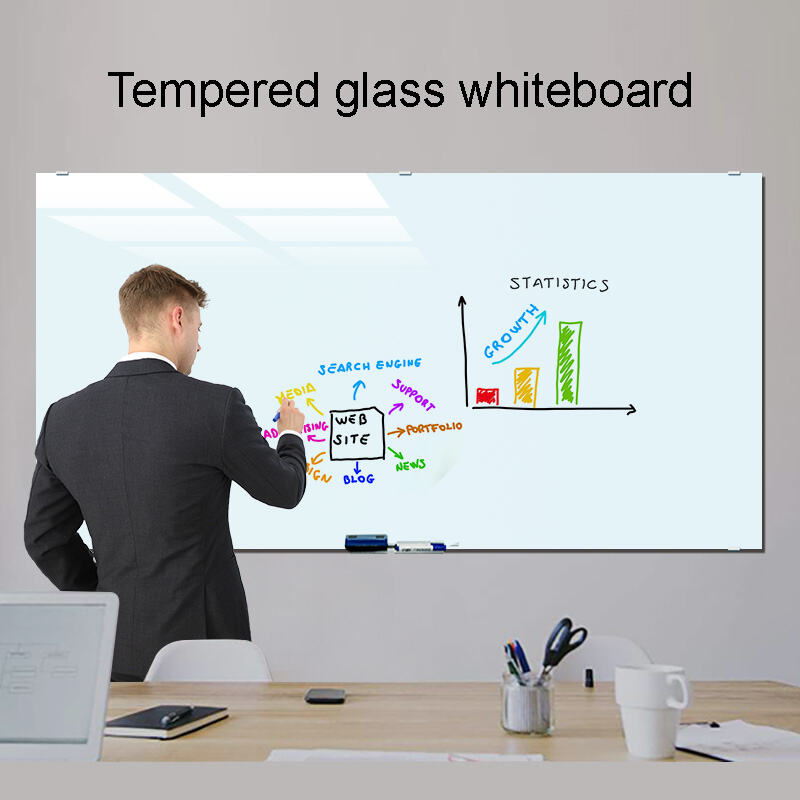
In today's fast-paced business environment, organizations are constantly seeking innovative solutions to enhance collaboration and streamline workflow processes. The sliding whiteboard has emerged as a versatile tool that transforms traditional workspace dynamics by offering flexible presentation and brainstorming capabilities. Unlike conventional fixed whiteboards, these mobile solutions provide teams with the ability to reconfigure their collaborative spaces instantly, adapting to different meeting requirements and group sizes. This revolutionary approach to workspace design has proven particularly effective in fostering creative thinking and improving overall team productivity.
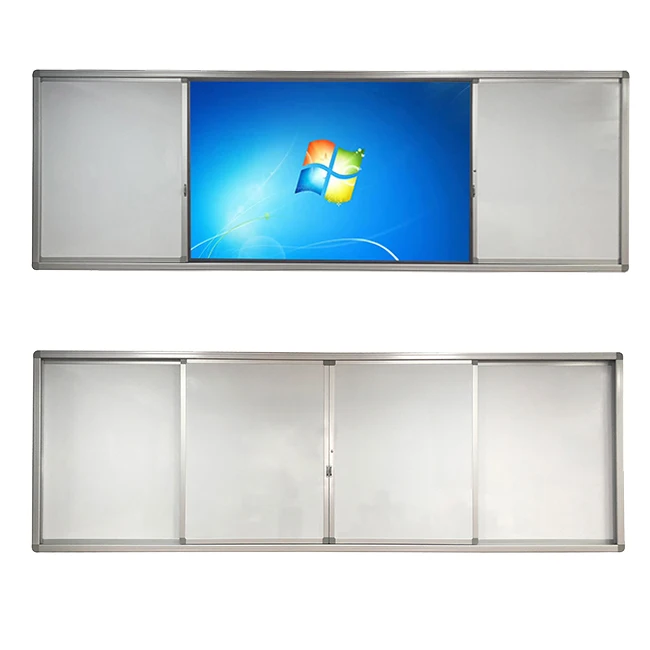
Modern businesses recognize that effective communication lies at the heart of successful project execution and innovation. The implementation of sliding whiteboard systems addresses common workplace challenges by creating dynamic environments where ideas can flow freely and visual thinking can flourish. Teams that utilize these adaptable presentation tools report increased engagement levels and more efficient problem-solving sessions. The mobility factor inherent in sliding whiteboard design allows organizations to maximize their available space while maintaining the flexibility needed for various collaborative activities.
Understanding the Mechanics of Sliding Whiteboard Systems
Core Design Principles and Construction
The engineering behind an effective sliding whiteboard system involves precise mechanical components that ensure smooth operation and long-term durability. High-quality track systems utilize ball-bearing mechanisms that distribute weight evenly across the sliding surface, preventing wear and maintaining consistent performance over thousands of uses. The frame construction typically incorporates lightweight aluminum or steel alloys that provide structural integrity while keeping the overall weight manageable for daily operation. Surface materials range from traditional melamine to advanced porcelain and glass compositions, each offering distinct advantages in terms of erasability and resistance to ghosting.
Professional-grade sliding whiteboard installations require careful consideration of wall mounting systems and structural support requirements. The load-bearing calculations must account for both the static weight of the board and the dynamic forces generated during sliding operations. Proper installation ensures that the sliding whiteboard maintains perfect alignment and operates smoothly throughout its service life. Quality manufacturers provide comprehensive installation guidelines and support systems that address various architectural configurations and mounting challenges commonly encountered in modern office environments.
Surface Technology and Writing Performance
The writing surface of a sliding whiteboard plays a crucial role in determining its effectiveness as a collaboration tool. Modern magnetic surfaces allow for the attachment of documents, charts, and visual aids, expanding the board's utility beyond simple writing applications. Anti-glare coatings reduce visual fatigue during extended use, particularly important in environments with varied lighting conditions. The surface chemistry affects marker compatibility, erasing characteristics, and long-term maintenance requirements, making it essential to select appropriate materials for specific use cases.
Advanced sliding whiteboard surfaces incorporate nanotechnology treatments that enhance durability and maintain optimal writing performance even after extensive use. These treatments create microscopic surface textures that prevent marker penetration while ensuring complete erasability without residue buildup. The magnetic properties integrated into many sliding whiteboard designs provide additional functionality for displaying reference materials and organizing information during collaborative sessions. Understanding these technical aspects helps organizations make informed decisions when selecting sliding whiteboard systems that will deliver consistent performance over time.
Maximizing Team Collaboration Through Strategic Implementation
Space Optimization and Layout Planning
Effective sliding whiteboard deployment requires careful analysis of existing workspace layouts and team interaction patterns. The ability to reveal or conceal writing surfaces on demand allows teams to transform meeting spaces quickly, accommodating different group sizes and activity types without requiring dedicated rooms for each function. Strategic positioning of sliding whiteboard systems can create multiple presentation zones within a single space, enabling parallel work sessions and breakout discussions. This flexibility proves particularly valuable in agile work environments where team compositions and project requirements change frequently.
The compact nature of sliding whiteboard systems when closed maximizes available wall space for other purposes, addressing the common challenge of balancing functional requirements with aesthetic considerations. Teams can maintain clean, professional appearances while retaining immediate access to extensive writing and presentation surfaces when needed. The sliding mechanism allows for partial exposure of writing surfaces, creating customizable workspace configurations that adapt to specific meeting requirements and participant numbers. This adaptability reduces the need for multiple dedicated collaboration spaces and improves overall space utilization efficiency.
Workflow Integration and Process Enhancement
Successful sliding whiteboard integration requires alignment with existing workflow processes and communication protocols. Teams can establish standardized procedures for utilizing different sections of the sliding surface for specific project phases, creating visual workflow management systems that enhance transparency and accountability. The ability to maintain multiple active work surfaces simultaneously supports parallel processing of related tasks and facilitates seamless transitions between project components. This systematic approach to sliding whiteboard utilization transforms routine meetings into dynamic, productive sessions that generate tangible outcomes.
Organizations often discover that sliding whiteboard implementation naturally encourages more inclusive participation from team members who may be hesitant to contribute in traditional meeting formats. The visual nature of sliding whiteboard collaboration reduces communication barriers and helps teams identify potential issues or opportunities that might otherwise remain hidden in verbal discussions. The permanent visibility of work-in-progress information on sliding whiteboard surfaces creates accountability and maintains project momentum between formal meeting sessions. These workflow benefits compound over time, resulting in measurable improvements in project completion rates and team satisfaction levels.
Technical Advantages and Performance Benefits
Durability and Maintenance Considerations
Professional sliding whiteboard systems are engineered to withstand intensive daily use while maintaining optimal performance characteristics over extended periods. The sliding mechanisms incorporate self-lubricating components that minimize maintenance requirements and ensure consistent operation regardless of usage frequency. Quality assurance testing typically involves thousands of sliding cycles to verify that the sliding whiteboard will maintain smooth operation throughout its expected service life. Regular maintenance protocols for sliding whiteboard systems are straightforward, typically requiring only periodic cleaning and occasional track inspection to ensure continued optimal performance.
The modular design of many sliding whiteboard systems allows for component replacement without requiring complete system overhaul, protecting the organization's investment while ensuring continued functionality. Warranty coverage for sliding whiteboard installations typically extends beyond basic defect protection to include performance guarantees for sliding mechanisms and surface quality. Preventive maintenance scheduling helps organizations maximize the return on their sliding whiteboard investment by identifying potential issues before they impact daily operations. Understanding these maintenance aspects helps teams develop realistic expectations and budgets for long-term sliding whiteboard ownership.
Versatility and Adaptability Features
Modern sliding whiteboard designs accommodate various accessories and enhancement options that extend their functionality beyond basic writing surfaces. Integrated projection capabilities transform sliding whiteboard systems into comprehensive presentation platforms that support both analog and digital collaboration methods. Some sliding whiteboard models include built-in storage compartments for markers, erasers, and reference materials, keeping essential tools organized and readily accessible. The magnetic properties of many sliding whiteboard surfaces enable the display of printed materials, photographs, and other visual aids that support comprehensive project discussions.
The scalability of sliding whiteboard systems allows organizations to start with basic configurations and expand capabilities as requirements evolve. Additional sliding panels can be integrated into existing installations, providing increased writing surface area without requiring new wall mounting systems. Color-coding options for different sliding whiteboard sections help teams organize information visually and maintain clear project boundaries during complex multi-phase initiatives. These adaptability features ensure that sliding whiteboard investments remain valuable as organizational needs change and team compositions evolve over time.
Implementation Strategies for Maximum Impact
Change Management and Team Adoption
Successful sliding whiteboard implementation requires careful attention to change management principles and user adoption strategies. Teams accustomed to traditional meeting formats may need structured introduction to sliding whiteboard capabilities and best practices for maximizing their collaborative potential. Training programs that demonstrate specific use cases and problem-solving applications help team members understand the practical benefits of sliding whiteboard systems beyond their obvious presentation functions. Leadership support and modeling of sliding whiteboard usage significantly accelerates adoption rates and encourages experimentation with innovative collaboration techniques.
Organizations often find that gradual introduction of sliding whiteboard systems, beginning with pilot programs in specific departments or project teams, creates positive momentum and generates enthusiasm for broader deployment. Success stories and measurable improvements in project outcomes provide compelling evidence that supports organization-wide adoption of sliding whiteboard technology. Regular feedback collection and system optimization based on user experiences ensure that sliding whiteboard implementation continues to deliver value and meet evolving collaboration requirements. This iterative approach to deployment maximizes user satisfaction and organizational return on investment.
Integration with Digital Tools and Technologies
Contemporary sliding whiteboard systems often incorporate digital connectivity features that bridge the gap between analog collaboration and modern technology platforms. Digital capture capabilities allow teams to preserve sliding whiteboard content and share it with remote participants or archive it for future reference. Integration with project management software enables seamless transfer of sliding whiteboard brainstorming results into actionable task lists and project timelines. These hybrid approaches combine the tactile benefits of sliding whiteboard interaction with the organizational capabilities of digital project management systems.
Cloud-based sharing platforms can automatically synchronize sliding whiteboard content with team repositories, ensuring that all stakeholders have access to the latest project information regardless of their physical location. Video conferencing integration allows remote team members to participate in sliding whiteboard sessions through high-definition camera systems that provide clear visibility of writing surfaces and collaborative activities. The combination of sliding whiteboard flexibility with digital accessibility creates comprehensive collaboration environments that support modern distributed work patterns while maintaining the creative benefits of face-to-face interaction.
Measuring Success and Optimizing Performance
Key Performance Indicators and Success Metrics
Organizations implementing sliding whiteboard systems benefit from establishing clear metrics for evaluating their impact on teamwork and workflow efficiency. Meeting duration analysis often reveals significant reductions in time required to reach consensus and make decisions when teams utilize sliding whiteboard tools effectively. Participation rates increase measurably as sliding whiteboard environments encourage visual thinkers and kinesthetic learners to contribute more actively to collaborative processes. Project completion timelines frequently improve as teams develop better shared understanding of requirements and dependencies through sliding whiteboard visualization techniques.
Qualitative feedback from team members provides valuable insights into the subjective benefits of sliding whiteboard adoption, including improved job satisfaction and increased confidence in problem-solving abilities. Innovation metrics, such as the number of new ideas generated and implemented, often show positive trends following sliding whiteboard deployment. Cost-benefit analysis should consider both direct financial impacts and indirect benefits such as improved employee retention and enhanced organizational reputation as an innovative workplace. These comprehensive evaluation approaches help organizations understand the full value proposition of sliding whiteboard investments and identify optimization opportunities.
Continuous Improvement and System Evolution
Successful sliding whiteboard programs require ongoing attention to user needs and emerging collaboration requirements within the organization. Regular system audits help identify underutilized features and opportunities for enhanced functionality that could deliver additional value. User feedback sessions provide insights into desired improvements and potential expansion areas that could further enhance the sliding whiteboard experience. Technology updates and accessory additions can extend the useful life of sliding whiteboard installations while maintaining alignment with evolving workplace practices and communication preferences.
Best practice documentation and knowledge sharing between teams help organizations maximize their sliding whiteboard investment by spreading successful techniques and innovative applications throughout the workforce. Vendor relationships and ongoing support agreements ensure that sliding whiteboard systems continue to receive necessary maintenance and updates that preserve their functionality and reliability. Performance monitoring and system optimization create continuous improvement cycles that enhance sliding whiteboard effectiveness over time and adapt to changing organizational requirements and technological advances.
FAQ
What maintenance is required for sliding whiteboard systems
Sliding whiteboard systems require minimal maintenance when properly installed and used according to manufacturer guidelines. Regular cleaning of the writing surface with appropriate cleaners prevents ghosting and maintains optimal erasability. The sliding track should be kept free of debris and occasionally inspected for smooth operation. Most quality systems include warranties that cover mechanical components for several years, and replacement parts are typically available for long-term serviceability.
How much wall space is needed for sliding whiteboard installation
The wall space requirement for a sliding whiteboard system depends on the desired writing surface area and the specific mounting configuration. Generally, you need wall space equivalent to the closed board dimensions, plus clearance for the sliding mechanism. Most installations require structural wall mounting to support the weight and sliding forces, so consultation with installation professionals is recommended to ensure proper support and optimal positioning for user accessibility.
Can sliding whiteboard systems be integrated with existing technology
Modern sliding whiteboard systems offer various integration options with existing technology infrastructure. Many models accommodate digital projectors, camera systems for remote sharing, and magnetic accessories for document display. Some advanced systems include built-in digital capture capabilities or compatibility with interactive whiteboard technology. The specific integration possibilities depend on the chosen sliding whiteboard model and existing technology setup, so compatibility should be verified during the selection process.
What is the typical lifespan of a sliding whiteboard system
High-quality sliding whiteboard systems are designed for decades of regular use when properly maintained. The mechanical components typically carry warranties of 5-10 years, while writing surfaces may need replacement after 10-15 years of intensive use depending on the material type and usage patterns. The modular design of most systems allows for component replacement without complete system overhaul, extending the overall lifespan and protecting the initial investment. Regular maintenance and proper usage techniques significantly extend system longevity and maintain optimal performance characteristics.