
 EN
EN


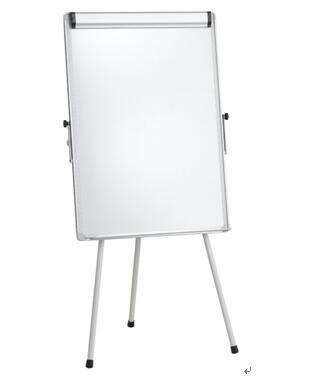
In today's fast-paced business environment, the ability to capture, share, and develop ideas quickly has become essential for maintaining competitive advantage. While digital tools and sophisticated software solutions have transformed many aspects of workplace collaboration, one traditional tool continues to prove its worth as an indispensable asset for immediate idea sharing. The dry erase board stands as a testament to the power of simplicity, offering instant accessibility, visual clarity, and collaborative engagement that digital alternatives often struggle to match. Whether in corporate boardrooms, educational institutions, or creative workshops, this versatile tool facilitates spontaneous brainstorming sessions and helps teams transform abstract concepts into tangible visual representations.

Instant Accessibility and Zero Technical Barriers
Immediate Availability for Spontaneous Collaboration
The most compelling advantage of using a dry erase board lies in its immediate availability and universal accessibility. Unlike digital platforms that require user accounts, software installations, or network connectivity, a dry erase board is always ready for use. Team members can approach the board at any moment, pick up a marker, and begin sharing their thoughts without encountering technical obstacles or compatibility issues. This instant accessibility proves particularly valuable during impromptu meetings where participants need to visualize concepts quickly without the delays associated with booting up computers or connecting to presentation systems.
The simplicity of operation ensures that every team member, regardless of their technical proficiency, can contribute effectively to the discussion. Senior executives who might struggle with complex software interfaces can effortlessly share their strategic insights, while junior staff members feel empowered to contribute without fear of technical difficulties. This democratic approach to idea sharing creates an inclusive environment where the focus remains on content rather than the medium of communication.
Elimination of Digital Distractions
Modern workplaces are plagued by digital distractions that can derail productive brainstorming sessions. Notifications, emails, and the temptation to multitask on digital devices often fragment attention and reduce the quality of collaborative thinking. A dry erase board naturally eliminates these distractions by creating a physical focal point that draws participants away from their screens and into the shared creative space. This analog approach helps maintain concentrated focus on the task at hand, leading to more productive and engaging collaboration sessions.
The tactile nature of writing on a whiteboard also engages different cognitive processes compared to typing on keyboards. The physical act of writing activates motor memory and can stimulate creative thinking in ways that digital input methods cannot replicate. Research in cognitive science suggests that handwriting activates brain regions associated with learning and memory formation, making the ideas captured on a dry erase board more likely to be retained and developed further.
Visual Communication and Spatial Organization
Enhanced Information Processing Through Visual Display
Human beings are inherently visual learners, with research indicating that visual information is processed significantly faster than textual data. A dry erase board leverages this natural cognitive preference by providing a large, visible surface where complex ideas can be broken down into digestible visual components. Participants can create diagrams, flowcharts, mind maps, and other visual representations that communicate relationships between concepts more effectively than verbal descriptions alone.
The ability to use different colors, shapes, and spatial arrangements on a whiteboard enables sophisticated information architecture that helps teams organize their thoughts systematically. Complex projects can be mapped out with interconnected elements, hierarchical structures can be visualized through strategic positioning, and temporal relationships can be illustrated through sequential layouts. This visual organization capability makes a dry erase board particularly valuable for strategic planning sessions where multiple variables must be considered simultaneously.
Real-Time Modification and Iterative Development
The erasable nature of dry erase boards enables real-time modification of ideas without the permanence anxiety associated with digital documentation. Team members feel more comfortable experimenting with rough concepts, knowing that mistakes can be quickly corrected and ideas can evolve organically throughout the discussion. This flexibility encourages more experimental thinking and reduces the self-censorship that often occurs when participants worry about creating permanent records of half-formed ideas.
The iterative development process facilitated by whiteboards mirrors the natural progression of creative thinking, where initial concepts are refined, combined, and transformed through collaborative input. Multiple participants can simultaneously contribute to different sections of the board, creating a dynamic workspace where ideas build upon each other in real-time. This collaborative editing capability surpasses many digital tools that require sequential input or complex sharing permissions.
Psychological and Social Benefits of Physical Collaboration
Creating Psychological Safety for Idea Expression
The temporary nature of content on a dry erase board creates a psychologically safe environment for sharing preliminary ideas and rough concepts. Unlike digital documents that can be saved, shared, or referenced indefinitely, whiteboard content exists only during the immediate collaborative session. This ephemeral quality reduces the pressure participants feel about presenting polished ideas and encourages the sharing of work-in-progress thoughts that might otherwise remain unexpressed. The knowledge that rough sketches and tentative proposals will be erased at the end of the session liberates creative thinking from perfectionist constraints.
Team dynamics improve significantly when participants feel safe to express unconventional ideas without fear of permanent documentation. A dry erase board becomes a sandbox for intellectual experimentation where wild ideas can be explored without career implications. This psychological safety is particularly important in hierarchical organizations where junior staff members might hesitate to challenge senior perspectives or propose innovative alternatives through formal channels.
Physical Presence and Engagement Amplification
The physical act of standing before a whiteboard and actively writing or drawing creates a heightened level of engagement that passive digital participation cannot match. When someone approaches the board to contribute an idea, they assume a position of temporary leadership that naturally draws attention from other participants. This physical positioning creates moments of focused attention that enhance the impact of shared ideas and encourage more thoughtful consideration from the group.
The collaborative nature of whiteboard sessions often leads to organic clustering of participants around different sections of the board, creating micro-groups that can develop specific aspects of larger concepts. These natural formations facilitate parallel processing of complex problems while maintaining visual connection to the overall project scope. The ability to physically gesture toward different elements on the board enhances communication through body language and spatial references that video conferencing cannot adequately replicate.
Practical Applications Across Different Contexts
Strategic Business Planning and Decision Making
Executive teams consistently rely on dry erase boards for strategic planning sessions where multiple scenarios must be evaluated simultaneously. The large format allows comprehensive SWOT analyses, competitive landscape mapping, and resource allocation planning to be displayed in a single view. Quarterly planning meetings benefit enormously from the ability to sketch market trends, identify growth opportunities, and visualize resource dependencies without the constraints of predetermined digital templates.
Decision-making processes become more transparent and inclusive when key factors are visually mapped on a whiteboard where all participants can see the complete picture. Complex business models can be diagrammed with revenue streams, cost structures, and value propositions clearly delineated. The ability to easily modify these models during discussion enables real-time scenario planning that helps teams understand the implications of different strategic choices before committing to specific directions.
Educational and Training Environments
Educational institutions have long recognized the superior effectiveness of dry erase boards for facilitating interactive learning experiences. Unlike static presentations or digital slides, whiteboards enable dynamic content creation that responds to student questions and evolving discussion topics. Instructors can build concepts progressively, allowing learners to follow the logical development of complex ideas rather than being presented with completed solutions.
Corporate training programs benefit similarly from the interactive nature of whiteboard-based instruction. Technical concepts can be illustrated through step-by-step diagrams, process flows can be modified to reflect specific organizational contexts, and participants can contribute their own experiences by adding to the shared visual workspace. The collaborative aspect of whiteboard learning creates more engaging training experiences that improve knowledge retention and practical application.
Cost-Effectiveness and Long-Term Value
Minimal Investment with Maximum Return
From a financial perspective, dry erase boards represent one of the most cost-effective collaboration tools available to organizations. The initial investment is minimal compared to digital alternatives, with no ongoing subscription fees, software licensing costs, or technical support requirements. A quality dry erase board can serve an organization for decades with minimal maintenance, requiring only periodic marker replacement and occasional cleaning to maintain optimal performance.
The return on investment becomes apparent through improved meeting efficiency, enhanced creative output, and reduced dependence on expensive digital collaboration platforms. Organizations can equip multiple conference rooms and creative spaces with whiteboards for the cost of a single high-end digital collaboration system. This accessibility means that spontaneous collaboration can occur anywhere within the organization rather than being limited to specially equipped technology rooms.
Reliability and Maintenance Advantages
Unlike digital systems that require regular updates, security patches, and technical maintenance, a dry erase board operates with remarkable reliability. There are no software crashes during critical presentations, no connectivity issues that interrupt collaborative flow, and no compatibility problems between different operating systems or device types. This reliability ensures that important meetings can proceed without technical delays or frustrated participants struggling with malfunctioning technology.
The maintenance requirements are straightforward and manageable by any team member. Regular cleaning with appropriate whiteboard cleaners maintains surface quality, and marker replacement is the only recurring cost consideration. This simplicity contrasts sharply with digital systems that may require dedicated IT support, regular training updates, and complex troubleshooting procedures when problems arise.
Integration with Modern Workflow Systems
Hybrid Collaboration Approaches
Contemporary organizations have discovered that dry erase boards complement rather than compete with digital collaboration tools. The most effective approach combines the spontaneous creativity enabled by physical whiteboards with the documentation and sharing capabilities of digital platforms. Teams can use whiteboards for initial brainstorming and concept development, then transfer key insights to digital formats for long-term storage and broader distribution.
Photography and scanning capabilities of modern smartphones make it simple to capture whiteboard content for digital archiving. This hybrid approach preserves the creative benefits of analog brainstorming while ensuring that valuable insights are not lost when the board is erased. Digital tools can then be used to refine, organize, and develop the concepts initially captured during whiteboard sessions.
Documentation and Follow-Through Strategies
Effective utilization of dry erase boards includes systematic approaches to documenting and acting upon the ideas generated during collaborative sessions. Organizations have developed protocols for photographing completed boards, assigning ownership of key concepts, and establishing timelines for developing promising ideas further. These documentation strategies ensure that the ephemeral nature of whiteboard content does not result in lost opportunities or forgotten insights.
Project management systems can be updated immediately following whiteboard sessions to capture action items, resource requirements, and development timelines identified during the collaborative process. This integration ensures that the creative energy generated during whiteboard sessions translates into concrete progress toward organizational objectives rather than remaining as abstract concepts that fade from memory.
FAQ
How does a dry erase board compare to digital collaboration tools for team productivity
While digital collaboration tools offer advantages in terms of remote accessibility and permanent documentation, a dry erase board excels in facilitating immediate, spontaneous collaboration without technical barriers. The physical presence and visual nature of whiteboards create more engaging face-to-face interactions, encourage experimental thinking through their erasable format, and eliminate digital distractions that can fragment attention during creative sessions. Most effective organizations use both approaches strategically, employing whiteboards for initial brainstorming and concept development, then transitioning to digital tools for documentation and implementation planning.
What factors should be considered when selecting a dry erase board for professional environments
Professional dry erase board selection should prioritize surface quality, size appropriateness, and mounting flexibility. High-quality porcelain or melamine surfaces resist staining and ghosting while providing smooth writing experiences. Size should accommodate typical group sizes and content complexity, with larger boards supporting more detailed collaborative work. Magnetic surfaces add versatility for document attachment, while mobile options provide flexibility for different meeting configurations. Consider the room acoustics and lighting to ensure good visibility from all participant positions.
How can organizations maximize the effectiveness of dry erase board collaboration sessions
Maximizing whiteboard effectiveness requires establishing clear facilitation protocols and providing appropriate supplies. Designate skilled facilitators who can guide discussions while managing board space efficiently. Maintain supplies of various colored markers and erasers to support different types of content creation. Develop systematic approaches to documenting completed sessions through photography or designated note-taking. Create guidelines for board etiquette that ensure all participants have opportunities to contribute while maintaining organized, readable content throughout the session.
What maintenance practices ensure long-term performance of dry erase boards
Proper maintenance significantly extends the lifespan and performance quality of dry erase boards. Use only recommended whiteboard markers to prevent permanent staining, and avoid abrasive cleaning materials that can damage the surface. Clean boards regularly with appropriate whiteboard cleaners or mild soap solutions to prevent marker residue buildup. Address stains immediately rather than allowing them to set permanently. For heavily used boards, consider periodic deep cleaning with specialized whiteboard restoration products to maintain optimal writing and erasing performance.
Table of Contents
- Instant Accessibility and Zero Technical Barriers
- Visual Communication and Spatial Organization
- Psychological and Social Benefits of Physical Collaboration
- Practical Applications Across Different Contexts
- Cost-Effectiveness and Long-Term Value
- Integration with Modern Workflow Systems
-
FAQ
- How does a dry erase board compare to digital collaboration tools for team productivity
- What factors should be considered when selecting a dry erase board for professional environments
- How can organizations maximize the effectiveness of dry erase board collaboration sessions
- What maintenance practices ensure long-term performance of dry erase boards