EN
EN



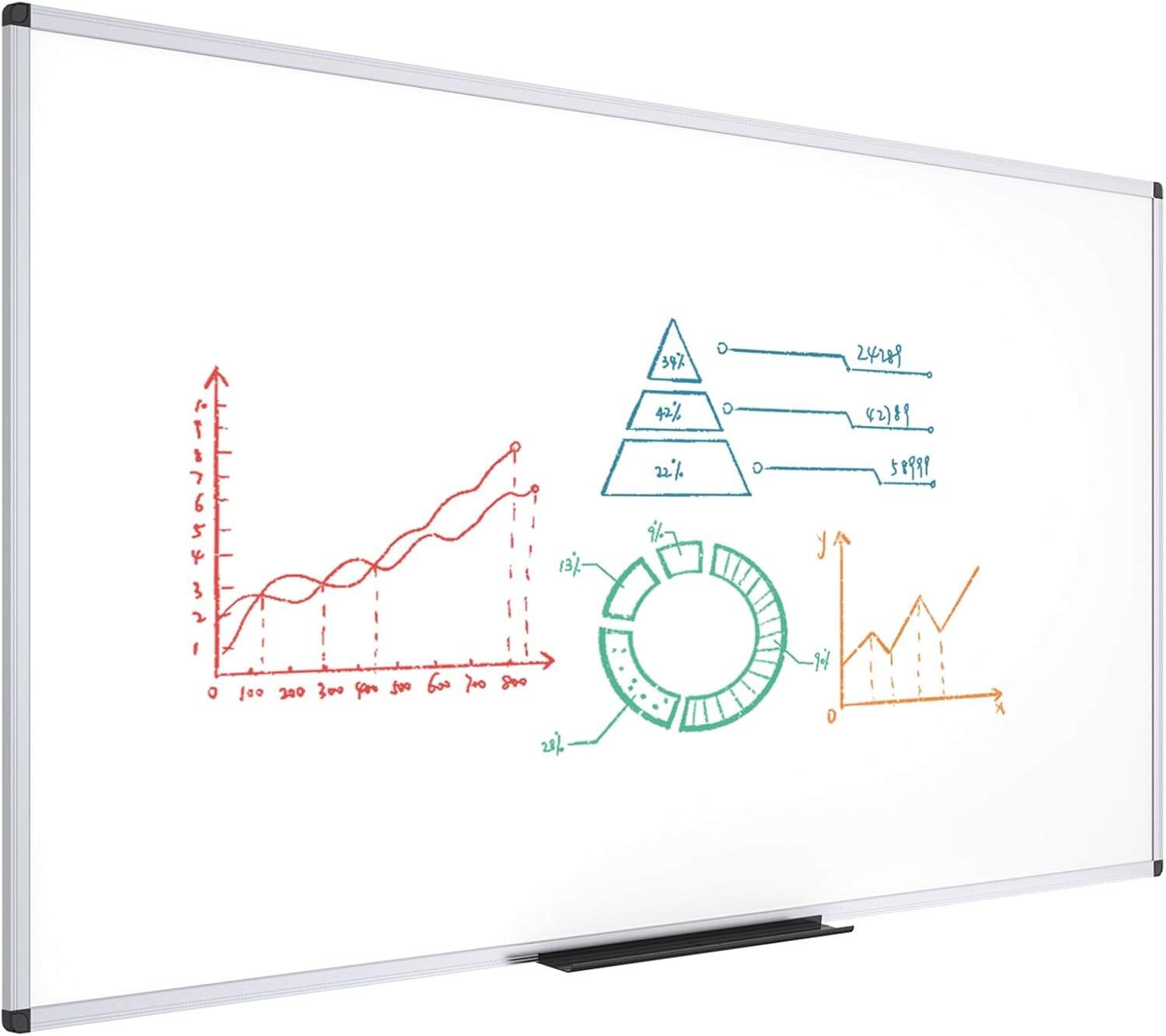
The school chalkboard remains one of the most enduring educational tools in modern classrooms, continuing to serve teachers and students worldwide despite the rise of digital alternatives. This traditional teaching medium has maintained its relevance through decades of technological advancement, proving its value as an essential classroom fixture. Understanding the unique benefits and applications of a school chalkboard helps educators make informed decisions about their instructional tools while recognizing the timeless appeal of this classic teaching resource.
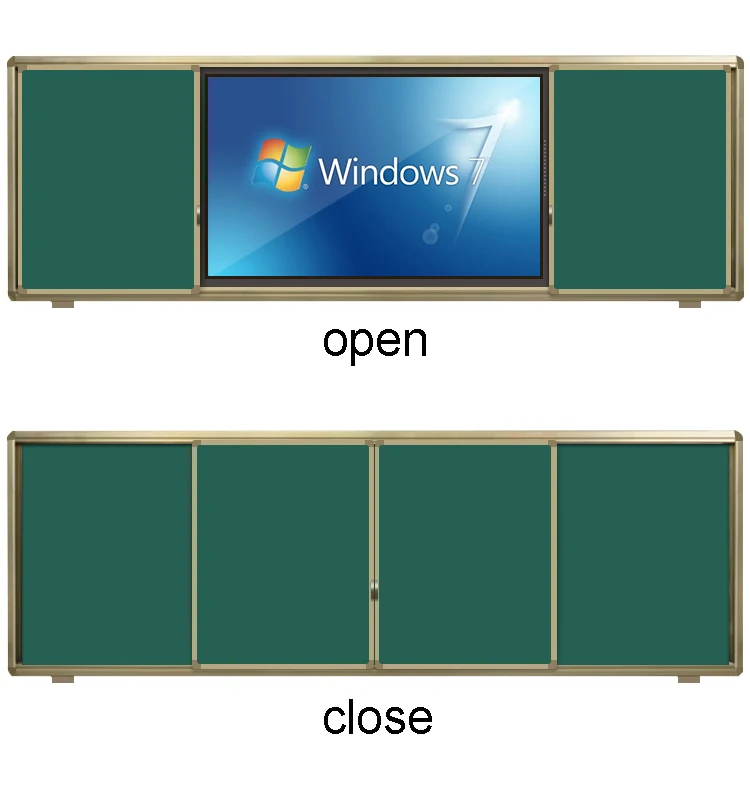
Historical Significance and Educational Evolution
Origins of Classroom Chalkboards
The school chalkboard traces its origins back to the early 19th century when educators recognized the need for a reusable writing surface that could accommodate group instruction. Initially made from actual slate stone, these boards provided teachers with an economical solution for presenting information to entire classes simultaneously. The evolution from individual slate tablets to large wall-mounted surfaces revolutionized classroom dynamics and established the foundation for modern group learning methodologies.
As educational institutions expanded and standardized their approaches, the school chalkboard became synonymous with formal education. Teachers could now illustrate complex concepts, work through mathematical problems, and present visual information that enhanced comprehension across diverse learning styles. This shift from individual instruction to group-oriented teaching methods fundamentally changed how knowledge was transmitted in academic settings.
Adaptation Through Educational Reforms
Throughout various educational reforms and pedagogical shifts, the school chalkboard has demonstrated remarkable adaptability. From traditional lecture-based instruction to interactive learning approaches, these boards have seamlessly integrated into different teaching methodologies. Progressive educators have discovered innovative ways to incorporate chalkboard activities that promote student engagement and collaborative learning experiences.
Modern educational research continues to validate the effectiveness of tactile and visual learning experiences that a school chalkboard provides. Studies have shown that the physical act of writing on a board, combined with the visual presentation of information, creates multiple pathways for information retention and understanding. This multi-sensory approach to learning remains particularly valuable in contemporary educational environments.
Technical Advantages and Practical Benefits
Durability and Reliability
One of the most compelling aspects of a school chalkboard is its exceptional durability and minimal maintenance requirements. Unlike electronic alternatives that require regular updates, technical support, and eventual replacement due to obsolescence, chalkboards can function effectively for decades with proper care. This longevity makes them particularly attractive for educational institutions operating under budget constraints or in areas with limited technical infrastructure.
The reliability of a school chalkboard extends beyond its physical durability to include consistent performance regardless of external factors. Power outages, network connectivity issues, or hardware failures that can disrupt digital teaching tools have no impact on traditional chalkboards. This dependability ensures that instruction can continue uninterrupted, making chalkboards an essential backup option even in technologically advanced classrooms.
Cost-Effectiveness and Accessibility
From an economic perspective, the school chalkboard represents an exceptionally cost-effective educational investment. The initial purchase price is significantly lower than digital alternatives, and ongoing operational costs are minimal, consisting primarily of chalk replacement and occasional cleaning supplies. This affordability makes quality education more accessible to institutions with limited financial resources.
The accessibility benefits of a school chalkboard extend beyond financial considerations to include ease of use for educators of all technological skill levels. Teachers can immediately begin using chalkboards without training, software installation, or technical setup procedures. This instant usability eliminates barriers that might otherwise prevent effective utilization of teaching tools, ensuring that instructional time is maximized rather than spent on technical troubleshooting.
Educational Psychology and Learning Enhancement
Cognitive Development Benefits
Research in educational psychology has identified several cognitive benefits associated with school chalkboard usage that contribute to enhanced learning outcomes. The slower pace of chalk writing compared to digital input methods allows students more time to process information, take notes, and formulate questions. This deliberate pacing can improve comprehension rates and reduce cognitive overload, particularly beneficial for students with different learning speeds and processing abilities.
The tactile experience of writing on a school chalkboard also engages kinesthetic learners and reinforces memory formation through physical movement. When teachers involve students in board work, the combination of visual, auditory, and kinesthetic input creates stronger neural pathways for information retention. This multi-modal learning approach addresses diverse learning preferences within a single classroom setting.
Attention and Focus Enhancement
The unique visual characteristics of a school chalkboard can help maintain student attention and focus during instruction. The contrast between white chalk and dark board surface provides excellent visibility from various classroom positions, reducing eye strain and maintaining visual engagement. The absence of distracting digital elements, animations, or notifications allows students to concentrate solely on the presented content.
Additionally, the temporary nature of information written on a school chalkboard encourages active note-taking and immediate attention to presented material. Students understand that the information will be erased, creating a natural urgency that promotes focused listening and engagement. This psychological factor can significantly improve classroom attention levels and participation rates.
Creative Applications and Innovative Teaching Methods
Interactive Learning Strategies
Contemporary educators have developed numerous creative applications for the school chalkboard that extend far beyond traditional lecture presentations. Interactive problem-solving sessions, collaborative brainstorming activities, and student-led presentations all benefit from the immediate accessibility and flexibility that chalkboards provide. These applications transform the board from a passive display tool into an active learning facilitator.
Group activities involving a school chalkboard encourage peer-to-peer learning and knowledge sharing among students. When multiple students work together at the board, they develop communication skills, learn to articulate their thinking processes, and benefit from immediate feedback from both peers and instructors. These collaborative experiences foster a sense of community and shared learning responsibility.
Subject-Specific Innovations
Different academic disciplines have discovered unique ways to maximize the potential of school chalkboard applications. Mathematics teachers utilize boards for step-by-step problem solutions, allowing students to follow logical progressions and identify common error patterns. Science educators use chalkboards for diagram creation, hypothesis documentation, and experimental result recording, creating visual learning experiences that enhance conceptual understanding.
Language arts instructors leverage the school chalkboard for vocabulary building, sentence diagramming, and collaborative story development activities. The ability to easily modify, edit, and reorganize written content makes chalkboards particularly valuable for writing instruction and revision processes. Art and design classes also benefit from the large-scale drawing capabilities that chalkboards provide for instructional demonstrations and student practice.
Environmental Considerations and Sustainability
Ecological Impact Assessment
The environmental footprint of a school chalkboard compares favorably to electronic alternatives when considering the complete lifecycle impact. Manufacturing traditional chalkboards requires fewer rare earth elements, produces less electronic waste, and generates lower carbon emissions during production processes. The longevity of chalkboards also reduces replacement frequency, minimizing ongoing environmental impact.
Chalk production, while requiring natural materials, represents a relatively low-impact manufacturing process compared to the complex electronics required for digital display systems. The biodegradable nature of chalk also eliminates concerns about long-term waste accumulation, making the school chalkboard an environmentally responsible choice for educational institutions prioritizing sustainability.
Resource Conservation Benefits
Energy consumption represents another significant environmental advantage of the school chalkboard over digital alternatives. Chalkboards require no electricity for operation, reducing institutional energy costs and carbon footprint. This zero-energy operation can contribute meaningfully to school sustainability goals and environmental education initiatives.
The minimal resource requirements for school chalkboard maintenance also support conservation efforts. Unlike digital systems that require regular updates, replacement components, and technical support services, chalkboards maintain their functionality with minimal ongoing resource investment. This efficiency aligns with broader educational goals of responsible resource utilization and environmental stewardship.
Modern Integration and Future Prospects
Hybrid Educational Approaches
Rather than viewing the school chalkboard as obsolete technology, many progressive educators are incorporating these traditional tools into hybrid teaching approaches that combine the best aspects of both analog and digital methods. This integration allows for seamless transitions between different presentation modes, accommodating various lesson requirements and learning objectives within a single classroom period.
The school chalkboard serves as an excellent complement to digital tools, providing tactile experiences that balance screen-heavy modern curricula. Students benefit from this variety in instructional methods, as it prevents over-reliance on any single technology while maintaining engagement through diverse presentation formats. This balanced approach addresses concerns about excessive screen time while preserving access to digital resources.
Continued Innovation Potential
Manufacturers continue to innovate in school chalkboard design, incorporating improved materials, enhanced durability features, and ergonomic considerations that address modern classroom needs. These improvements ensure that chalkboards remain competitive options for contemporary educational environments while maintaining their fundamental advantages.
Future developments in school chalkboard technology may include surface treatments that improve visibility, reduce dust generation, and extend operational lifespan. These innovations demonstrate the ongoing evolution of traditional educational tools and their continued relevance in modern learning environments. The adaptability of chalkboard technology suggests a promising future for this classic educational resource.
FAQ
What maintenance does a school chalkboard require
A school chalkboard requires minimal maintenance, primarily consisting of regular cleaning with appropriate erasers and occasional deep cleaning with damp cloths. Proper seasoning of new boards and avoiding abrasive cleaning materials will extend the surface life significantly. Most quality chalkboards can operate effectively for decades with basic care.
How does chalk dust affect classroom air quality
Modern chalk formulations have significantly reduced dust production compared to traditional varieties, and proper ventilation easily manages any particulate matter. Dustless chalk options are available for sensitive environments, and regular cleaning practices minimize accumulation. The minimal dust generated poses no significant health risks when basic precautions are followed.
Can school chalkboards work effectively in modern digital classrooms
School chalkboards integrate seamlessly into modern digital classrooms as complementary tools rather than replacements. They provide tactile learning experiences, serve as reliable backup options during technical difficulties, and offer cost-effective solutions for budget-conscious institutions. Many educators find that combining traditional and digital methods creates more engaging and effective learning environments.
What size school chalkboard is most appropriate for different classroom settings
School chalkboard size selection depends on classroom dimensions, student capacity, and intended usage patterns. Standard classroom boards typically measure 4x8 feet, providing adequate visibility for most settings. Larger spaces may benefit from extended surfaces or multiple board configurations, while smaller rooms can utilize compact designs that maximize available wall space efficiently.