
 EN
EN



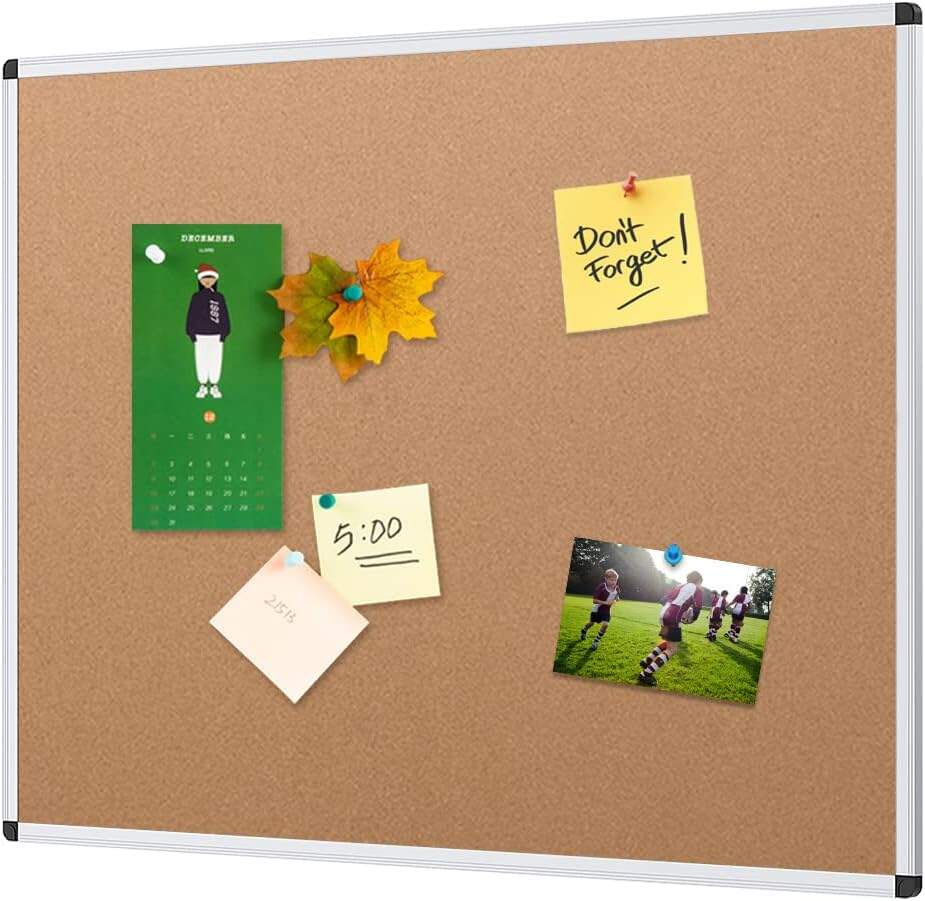
A notice board serves as the cornerstone of effective communication in schools, offices, community centers, and public spaces. These essential display tools transform scattered information into organized, accessible formats that ensure important messages reach their intended audiences. Whether announcing upcoming events, displaying safety protocols, or sharing administrative updates, a well-maintained notice board creates a centralized hub for critical information distribution. The strategic placement and proper management of these boards significantly enhance organizational efficiency and keep everyone informed about relevant developments.
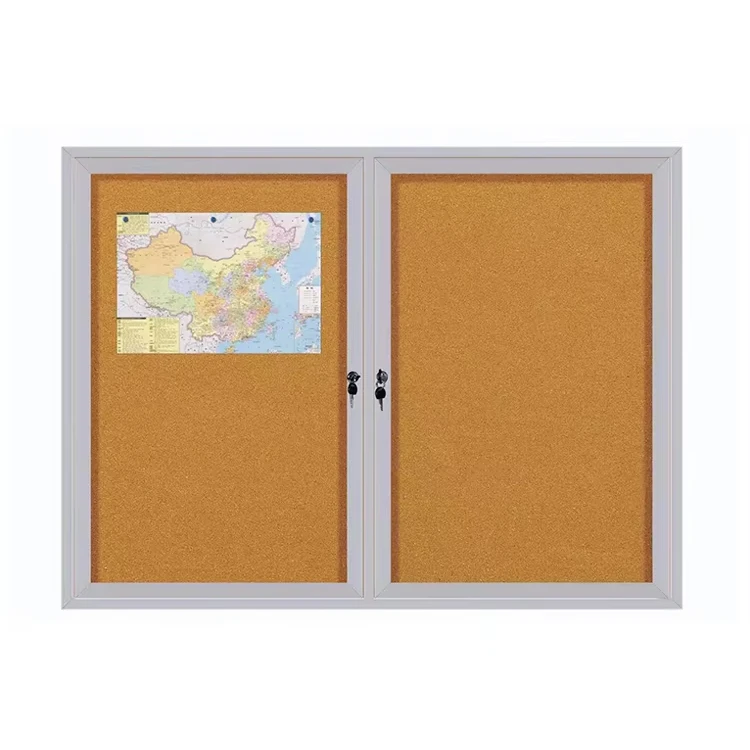
Essential Functions of Modern Notice Boards
Information Centralization and Accessibility
Modern notice boards function as information command centers that consolidate diverse communications into one accessible location. These displays eliminate the confusion that arises when important announcements are scattered across multiple platforms or buried in email chains. A strategically positioned notice board ensures that visitors, employees, or students can quickly access current information without searching through various sources. The visual nature of these boards makes information processing faster and more efficient than traditional text-based communication methods.
The accessibility factor extends beyond mere visibility to include accommodating different learning styles and communication preferences. Visual learners particularly benefit from notice board displays, which present information in graphical formats that enhance comprehension and retention. Additionally, these boards serve as backup communication systems when digital networks fail or when individuals lack access to electronic devices. The reliability of physical notice boards ensures continuous information flow regardless of technological disruptions.
Real-Time Communication Enhancement
Effective notice boards provide real-time communication capabilities that keep communities informed about immediate developments and time-sensitive announcements. Unlike static signage, these dynamic displays can be updated frequently to reflect changing circumstances, emergency notifications, or last-minute schedule modifications. The immediacy of notice board updates makes them invaluable for organizations that need to communicate rapidly evolving situations to large groups of people.
The visual impact of a well-designed notice board captures attention more effectively than digital screens or printed handouts that individuals might ignore or misplace. The physical presence of information displayed on boards creates a psychological expectation that viewers should pause and read the content, leading to higher engagement rates than other communication methods. This enhanced engagement translates into better informed communities and more effective organizational communication.
Strategic Placement and Design Considerations
Optimal Location Selection
The effectiveness of any notice board depends heavily on strategic placement within high-traffic areas where maximum visibility is guaranteed. Prime locations include main entrances, hallways, break rooms, and common areas where people naturally congregate or pass through regularly. The height and angle of installation must consider the average eye level of the target audience, ensuring comfortable viewing without strain or awkward positioning.
Environmental factors also influence placement decisions, particularly for outdoor notice boards that must withstand weather conditions while maintaining visibility and accessibility. Protected areas such as covered walkways, building entrances, or specially designed weather-resistant enclosures help preserve the integrity of displayed materials while ensuring year-round functionality. Proper lighting considerations ensure that notice board content remains readable during different times of day and varying weather conditions.
Visual Organization and Layout Principles
Effective notice board design incorporates visual hierarchy principles that guide viewer attention toward the most important information first. This involves using varying sizes of text, contrasting colors, and strategic spacing to create clear information priorities. Headers, subheadings, and body text should follow consistent formatting rules that make scanning and reading effortless for viewers with limited time.
Color coding systems enhance the organizational value of notice boards by categorizing different types of information through visual cues. Emergency notices might use red backgrounds, general announcements could appear on blue sections, and administrative updates might be displayed on green areas. This systematic approach allows regular viewers to quickly locate relevant information categories without reading every posted item, significantly improving the efficiency of information retrieval.
Material Selection and Durability Features
Weather-Resistant Construction Options
Outdoor notice boards require specialized materials and construction techniques that protect displayed content from environmental damage while maintaining visual appeal and functionality. High-quality materials such as tempered glass, aluminum frames, and weatherproof sealing systems ensure longevity and reduce maintenance requirements. These durable constructions protect important notices from rain, wind, snow, and UV radiation that could fade or destroy paper-based materials.
Lockable enclosures add security features that prevent vandalism, theft, or unauthorized modifications to displayed content. These protective systems maintain the integrity of official communications while allowing authorized personnel to update information as needed. The combination of weather resistance and security features makes outdoor notice boards reliable communication tools for schools, municipalities, and organizations that need to share information with public audiences.
Interior Surface Materials and Maintenance
Interior notice boards benefit from surface materials that facilitate easy updating while providing attractive presentation backgrounds. Cork surfaces allow for pushpin attachment of papers and lightweight materials, making content changes quick and simple. Fabric-covered boards provide softer aesthetics that complement office décor while accepting staples and pins for secure document attachment.
Magnetic surfaces offer versatile options for notice boards in environments where pin holes are undesirable or where frequent content changes occur. These surfaces work with magnetic clips, strips, and holders that secure documents without causing damage to the board or the displayed materials. Easy-clean surfaces such as laminated or glass-covered boards allow for dry-erase markers and easy removal of adhesive materials, extending the useful life of the notice board while maintaining professional appearance.
Digital Integration and Hybrid Solutions
Combining Traditional and Electronic Elements
Modern notice board solutions increasingly incorporate digital elements alongside traditional paper-based displays to maximize communication effectiveness and flexibility. Hybrid systems might include QR codes that link to detailed digital content, LED strips for highlighting urgent announcements, or small digital screens for rotating messages. These integrated approaches leverage the benefits of both physical and electronic communication methods.
Digital integration allows notice boards to bridge generational communication preferences by offering traditional visual displays for those who prefer physical reading while providing tech-savvy users with quick access to extended digital content. This dual-approach strategy ensures comprehensive communication coverage across diverse audience demographics and technological comfort levels.
Content Management and Update Systems
Systematic content management approaches ensure that notice boards remain current, relevant, and organized over time. Regular review schedules prevent outdated information from cluttering displays and confusing viewers with obsolete announcements. Clear protocols for content approval, posting, and removal help maintain professional standards and prevent unauthorized or inappropriate materials from appearing on official notice boards.
Digital content management systems can complement physical notice boards by maintaining archives of previous announcements, tracking posting schedules, and sending reminders for content updates. These backend systems ensure consistency and continuity in communication practices while reducing the administrative burden on staff members responsible for notice board maintenance.
Applications Across Different Environments
Educational Institution Requirements
Schools and universities rely heavily on notice boards for communicating academic schedules, policy updates, emergency procedures, and extracurricular opportunities to students, faculty, and staff. These educational environments require notice boards that can handle high-volume posting needs while maintaining organized, professional appearances. Multiple boards throughout campus serve different audience segments and information categories.
Educational notice boards must accommodate diverse content types including text announcements, colorful posters, maps, schedules, and regulatory information. The durability requirements in school environments are particularly demanding due to high traffic volumes and the active nature of student populations. Vandal-resistant designs and secure mounting systems help maintain notice board functionality and appearance despite heavy use.
Corporate and Office Applications
Business environments utilize notice boards for sharing company policies, safety information, employee recognition, training schedules, and regulatory compliance materials. Professional appearance standards in corporate settings demand notice boards with sophisticated designs that complement office aesthetics while providing clear, organized information display capabilities.
Corporate notice boards often require specialized features such as lockable sections for confidential information, multiple compartments for different departments, and easy-update mechanisms that minimize disruption to daily operations. The integration of company branding elements and consistent visual standards helps maintain professional image while serving practical communication needs.
Maintenance and Longevity Strategies
Regular Inspection and Upkeep Protocols
Systematic maintenance schedules ensure that notice boards continue functioning effectively while maintaining professional appearances throughout their service lives. Regular inspections identify potential issues such as loose mounting hardware, damaged surfaces, or worn weather sealing before these problems compromise board functionality or safety.
Preventive maintenance activities include cleaning surfaces, checking locks and hinges, replacing worn components, and updating worn or faded background materials. These routine tasks extend notice board lifespan while ensuring consistent performance and appearance standards that reflect positively on the organizations they serve.
Content Lifecycle Management
Effective notice board management includes systematic approaches to content lifecycle that prevent information overload and maintain relevance. Regular content audits remove outdated materials while ensuring that current information receives appropriate prominence and visibility. Archive systems preserve important historical announcements while keeping active displays focused on current needs.
Content rotation strategies help maximize notice board effectiveness by ensuring that long-term postings don't monopolize valuable display space at the expense of time-sensitive announcements. Balanced approaches consider both the importance of information and its temporal relevance when making display decisions.
FAQ
What size notice board works best for different spaces?
The ideal notice board size depends on the available wall space, viewing distance, and volume of content to be displayed. For hallways and corridors, boards measuring 3x4 feet provide good visibility without overwhelming the space. Larger areas such as lobbies or cafeterias can accommodate boards up to 4x6 feet or larger. Consider that viewers should be able to read standard-sized text from at least 3-4 feet away, and ensure the board doesn't obstruct traffic flow or emergency exits.
How often should notice board content be updated?
Content update frequency varies by organization type and information needs, but most effective notice boards benefit from weekly reviews to remove outdated materials and add new announcements. Time-sensitive information such as event announcements, emergency notices, and schedule changes require immediate updates. Establish clear protocols identifying who is responsible for updates and create content approval processes to maintain quality and accuracy of displayed information.
What security features are important for outdoor notice boards?
Outdoor notice boards require lockable doors or panels to prevent vandalism and unauthorized content changes. Tempered glass or polycarbonate glazing protects contents while allowing visibility, and weather-resistant seals prevent moisture damage. Heavy-duty mounting systems secure boards against wind and potential theft attempts. Consider adding internal lighting for nighttime visibility and choose materials that resist UV degradation and temperature extremes common in outdoor environments.
Can notice boards be used effectively in digital communication environments?
Notice boards remain highly effective even in digital-heavy environments because they provide always-visible information that doesn't require device access or network connectivity. They serve as backup communication systems during power outages or technical failures and reach audiences who may not regularly check digital channels. Hybrid approaches combining physical boards with QR codes linking to digital content offer the best of both worlds, ensuring comprehensive communication coverage across different user preferences and technological capabilities.