EN
EN



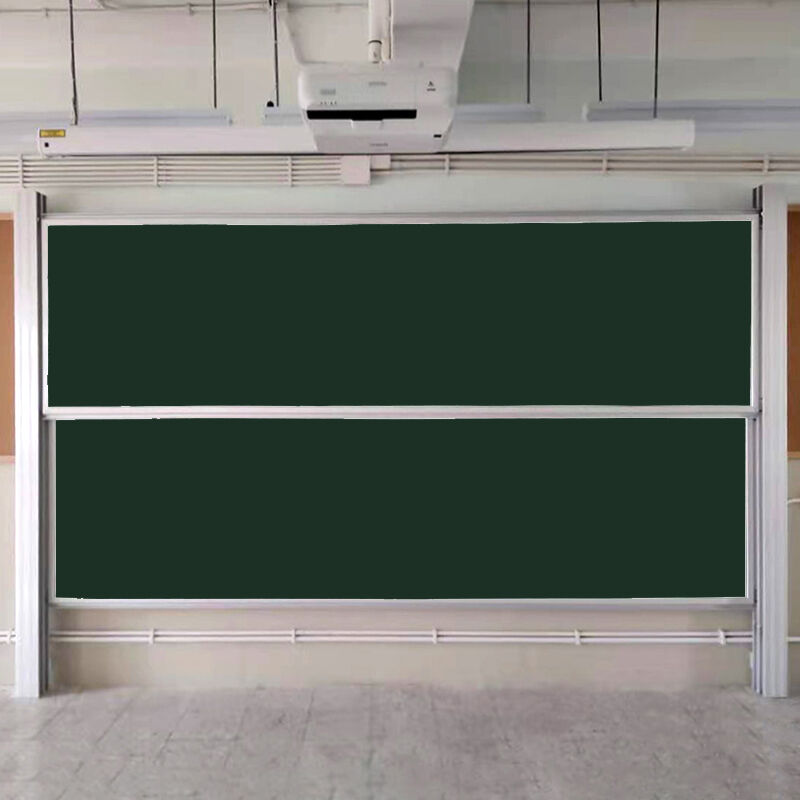
Modern educational environments demand innovative solutions that adapt to diverse teaching methods and space constraints. The traditional classroom setup is evolving rapidly, requiring educators to embrace tools that offer versatility and functionality. Among these revolutionary educational tools, the foldable whiteboard stands out as a game-changing solution that transforms how teachers deliver lessons and students engage with content. This portable and space-efficient writing surface addresses the growing need for flexible learning environments while maintaining the essential features educators rely on daily.
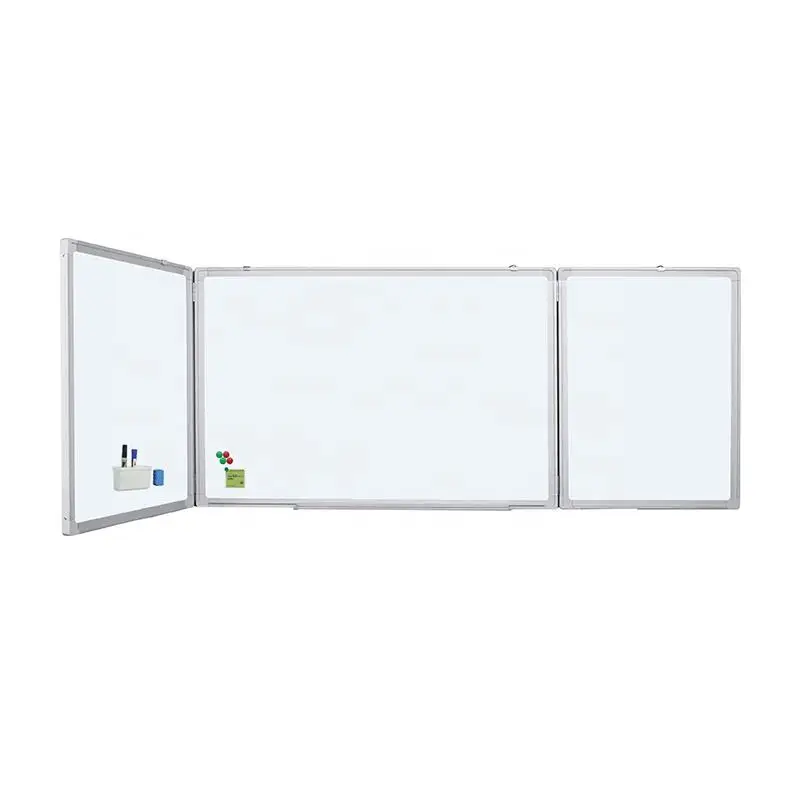
Educational institutions worldwide are recognizing the importance of adaptable teaching tools that can accommodate various learning styles and classroom configurations. The foldable whiteboard represents a significant advancement in educational technology, offering unprecedented flexibility for educators who need to maximize their teaching effectiveness while working within physical and budgetary constraints. These innovative boards combine the familiar functionality of traditional whiteboards with the added benefit of portability and space optimization.
Understanding Foldable Whiteboard Technology
Core Design Principles
The engineering behind a foldable whiteboard involves sophisticated materials science and ergonomic design principles. These boards typically feature high-quality magnetic surfaces that maintain their writing properties even after repeated folding and unfolding. The hinge mechanisms are designed to withstand thousands of cycles while ensuring the surface remains perfectly flat when deployed. Advanced polymer coatings provide excellent dry-erase capabilities that rival traditional fixed whiteboards in performance and durability.
Manufacturing standards for foldable whiteboards require precision in both material selection and assembly processes. The substrate materials must balance flexibility with rigidity, ensuring the board provides a stable writing surface while maintaining its folding capabilities over extended use. Quality manufacturers employ specialized bonding techniques to create seamless joints that prevent marker bleed-through and maintain consistent writing quality across the entire surface area.
Material Innovation and Durability
Contemporary foldable whiteboard construction utilizes advanced composite materials that deliver exceptional performance characteristics. These materials resist warping, cracking, and surface degradation that can occur with frequent folding and transportation. The writing surface incorporates nano-technology coatings that enhance marker adhesion during writing while ensuring effortless cleaning afterward. This technology prevents ghosting and staining issues that plagued earlier portable whiteboard designs.
Durability testing for modern foldable whiteboards includes extensive folding cycle analysis, impact resistance evaluation, and long-term surface quality assessment. Premium models undergo rigorous quality control processes that simulate years of classroom use, ensuring educators receive products that maintain their performance standards throughout their operational lifespan. The magnetic properties of these boards are engineered to remain consistent even after extended folding and storage periods.
Practical Applications in Educational Settings
Classroom Versatility and Setup Options
The versatility of a foldable whiteboard extends far beyond simple space-saving benefits, offering educators multiple configuration options for different teaching scenarios. Teachers can deploy these boards as traditional front-of-class presentation surfaces, divide them into smaller sections for group work, or position them at various heights to accommodate different age groups. The portability factor allows for seamless transitions between indoor and outdoor learning environments, supporting field trips and alternative classroom settings.
Interactive learning sessions benefit significantly from the flexibility these boards provide. Educators can quickly reconfigure classroom layouts to support collaborative learning, moving boards to create multiple work stations or combining several units to create expansive presentation areas. The magnetic surface allows for the attachment of educational materials, visual aids, and student work, creating dynamic learning environments that adapt to lesson requirements and student needs.
Integration with Modern Teaching Methodologies
Progressive education approaches that emphasize student-centered learning find excellent support through foldable whiteboard implementation. These tools facilitate breakout sessions, peer collaboration, and hands-on learning activities that require flexible presentation surfaces. The ability to quickly establish multiple writing areas supports differentiated instruction techniques, allowing teachers to work with various skill levels simultaneously while maintaining visual learning opportunities for all students.
Technology integration becomes more manageable when educators have portable presentation surfaces that complement digital tools. A foldable whiteboard can serve as a analog backup for digital presentations, provide space for real-time problem solving alongside computer-based lessons, and offer tactile learning opportunities that balance screen-heavy educational content. This hybrid approach addresses diverse learning preferences while maintaining engagement levels throughout extended lessons.
Space Optimization and Storage Solutions
Addressing Classroom Space Constraints
Modern educational facilities often face significant space limitations that impact teaching effectiveness and learning outcomes. The compact storage profile of a foldable whiteboard addresses these challenges by providing full-sized presentation capabilities without permanent space dedication. When folded, these boards occupy minimal storage space, allowing classrooms to maintain flexibility for various activities while preserving essential teaching tools.
Multi-purpose room environments particularly benefit from foldable whiteboard solutions, as these spaces must accommodate different functions throughout the day. The ability to quickly deploy and store presentation surfaces enables seamless room transitions between academic instruction, community meetings, and recreational activities. This flexibility maximizes facility utilization while ensuring each use case has access to appropriate visual communication tools.
Transportation and Mobility Benefits
The mobility advantages of foldable whiteboards extend beyond basic portability, offering educators unprecedented freedom in lesson delivery location and format. These boards can accompany field trips, outdoor education sessions, and off-site learning experiences, maintaining consistent visual communication capabilities regardless of venue. The lightweight construction and protective carrying cases ensure safe transportation while preserving board quality and functionality.
Professional development and training applications benefit significantly from portable presentation solutions. Educators conducting workshops, demonstrations, or training sessions can rely on foldable whiteboards to provide consistent presentation capabilities across various venues. This reliability eliminates dependence on facility-provided equipment while ensuring professional presentation standards are maintained in any environment.
Educational Impact and Learning Enhancement
Student Engagement and Participation
Research consistently demonstrates that visual learning tools significantly enhance student comprehension and retention rates. The foldable whiteboard serves as a catalyst for increased student participation by providing multiple presentation surfaces that encourage collaborative work and peer interaction. Students demonstrate higher engagement levels when they have opportunities to contribute to visual presentations and participate in hands-on learning activities that utilize these versatile tools.
The psychological impact of having dedicated presentation space empowers students to take ownership of their learning experience. When students can approach a foldable whiteboard to demonstrate problem-solving processes, share creative work, or lead discussions, they develop confidence and communication skills that extend beyond academic content. This active participation model transforms passive learning environments into dynamic, student-driven educational experiences.
Supporting Diverse Learning Styles
Educational research identifies multiple learning preferences that require varied instructional approaches for optimal student success. Kinesthetic learners particularly benefit from foldable whiteboard implementations, as these tools provide tactile engagement opportunities through physical manipulation of presentation materials and hands-on problem solving. Visual learners gain enhanced comprehension through graphic organizers, diagrams, and visual representations that these boards facilitate.
Auditory learners also benefit indirectly from foldable whiteboard usage, as these tools often accompany verbal explanations and group discussions. The visual reinforcement provided by written content, diagrams, and collaborative work supports auditory processing while creating multi-sensory learning experiences that improve overall comprehension and retention rates across diverse student populations.
Implementation Strategies for Educational Institutions
Budget-Conscious Acquisition Planning
Educational institutions operating within tight budgetary constraints can implement strategic purchasing approaches to maximize foldable whiteboard benefits while managing costs effectively. Bulk purchasing agreements often provide significant cost savings while ensuring consistent product quality across multiple classrooms. Many manufacturers offer educational discounts and flexible payment terms that align with institutional budget cycles and procurement requirements.
Grant opportunities and educational technology funding sources frequently support innovative teaching tool acquisitions that demonstrate clear learning outcome improvements. Institutions can develop compelling funding proposals by documenting expected benefits, usage projections, and alignment with educational objectives. The versatility and longevity of quality foldable whiteboards often provide excellent return on investment calculations that support funding applications.
Professional Development and Training
Successful foldable whiteboard implementation requires comprehensive educator training that covers both technical operation and pedagogical integration strategies. Professional development programs should address setup procedures, maintenance requirements, and creative usage techniques that maximize educational impact. Training sessions that demonstrate various configuration options and teaching applications help educators develop confidence and competency with these tools.
Ongoing support systems ensure sustained adoption and effective utilization of foldable whiteboard investments. Peer mentoring programs, resource sharing platforms, and periodic refresher training help maintain enthusiasm and expertise levels while encouraging innovative usage approaches. Documentation of best practices and success stories creates valuable institutional knowledge that supports continued effective implementation.
Maintenance and Longevity Considerations
Proper Care and Handling Techniques
Maximizing the operational lifespan of a foldable whiteboard requires adherence to established maintenance protocols and handling procedures. Regular cleaning with appropriate solutions maintains surface quality and prevents permanent staining or ghosting issues. Proper folding techniques that align with manufacturer specifications prevent hinge damage and surface stress that could compromise board functionality over time.
Storage protocols play a crucial role in preserving foldable whiteboard condition during periods of non-use. Climate-controlled storage environments prevent material degradation while proper positioning prevents warping or surface damage. Regular inspection schedules help identify potential issues before they become significant problems, enabling proactive maintenance that extends board lifespan and maintains performance standards.
Quality Indicators and Performance Monitoring
Establishing quality benchmarks helps educational institutions monitor foldable whiteboard performance and identify replacement needs before functionality degradation impacts learning outcomes. Surface smoothness, marker adhesion quality, erasing efficiency, and magnetic strength serve as key performance indicators that guide maintenance decisions and replacement planning.
Documentation systems that track usage patterns, maintenance activities, and performance metrics provide valuable data for future purchasing decisions and budget planning. Regular performance assessments help institutions optimize their foldable whiteboard investments while ensuring consistent quality standards across all educational applications.
FAQ
What makes foldable whiteboards different from traditional portable boards
Foldable whiteboards feature advanced hinge systems and flexible materials that allow them to fold completely flat while maintaining full functionality when deployed. Unlike traditional portable boards that are simply lightweight versions of fixed boards, foldable designs offer genuine space-saving benefits and enhanced portability without compromising writing surface quality or magnetic properties.
How durable are foldable whiteboards with regular classroom use
Quality foldable whiteboards are engineered to withstand thousands of folding cycles while maintaining surface integrity and performance characteristics. Premium models undergo extensive durability testing that simulates years of classroom use, ensuring they provide reliable service throughout their expected operational lifespan when properly maintained and handled according to manufacturer specifications.
Can foldable whiteboards accommodate standard magnetic accessories
Most foldable whiteboards feature magnetic surfaces that fully support standard educational magnetic accessories including letters, numbers, shapes, and mounting systems. The magnetic strength is specifically designed to maintain effectiveness across the folding joints, ensuring consistent performance regardless of board configuration or fold position during use.
What size options are available for educational applications
Foldable whiteboards are manufactured in various sizes ranging from small desktop models suitable for individual student use to large presentation boards that rival traditional classroom installations. Popular educational sizes include compact models for small group work, medium formats for standard classroom presentations, and large configurations for auditorium or multi-purpose room applications.