EN
EN


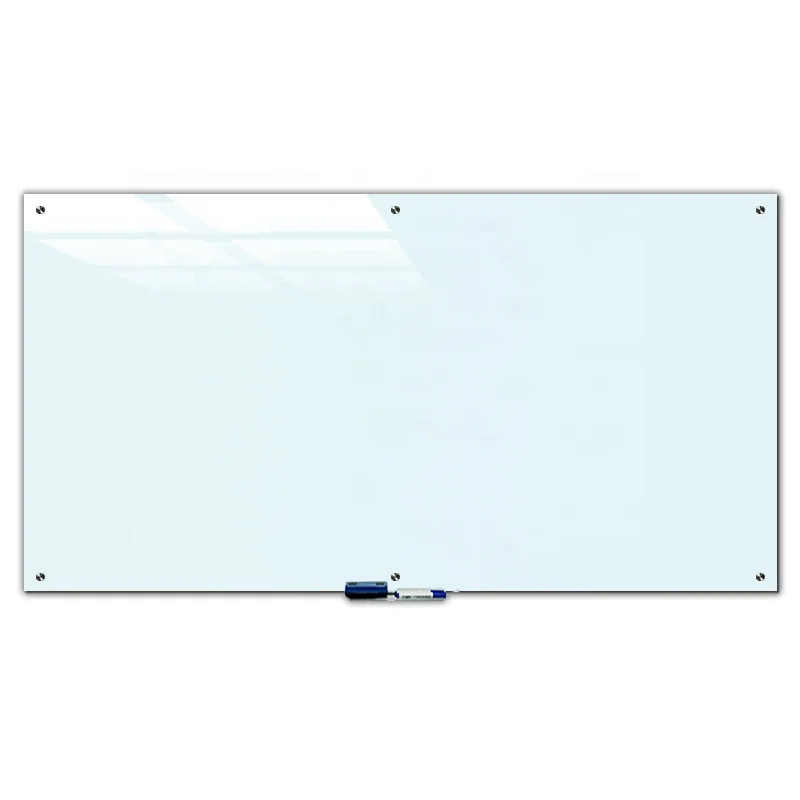
Modern workplaces constantly seek innovative solutions to enhance productivity and streamline collaboration. Among the various tools available, the glass whiteboard has emerged as a sophisticated alternative to traditional whiteboards, offering superior functionality and aesthetic appeal. This revolutionary writing surface combines the familiar utility of conventional whiteboards with enhanced durability, visual clarity, and professional appearance that transforms meeting environments.
Organizations worldwide are discovering that upgrading to a glass whiteboard significantly impacts meeting effectiveness, participant engagement, and overall collaborative outcomes. The smooth writing surface, superior erasability, and ghost-free performance address common frustrations experienced with traditional alternatives, creating an environment where ideas flow freely and discussions remain focused on content rather than equipment limitations.
Understanding Glass Whiteboard Technology
Material Composition and Manufacturing
A glass whiteboard is constructed from tempered glass that undergoes specialized treatment to create an optimal writing surface. The manufacturing process involves heating standard glass to extreme temperatures, then rapidly cooling it to increase strength and safety characteristics. This tempering process makes the glass whiteboard significantly more durable than conventional materials while maintaining crystal-clear transparency.
The surface treatment applied during manufacturing creates microscopic texturing that allows dry erase markers to adhere properly while ensuring complete removal without residue. Advanced coating technologies prevent staining and ghosting, common problems that plague traditional whiteboards after extended use. Quality manufacturers apply multiple layers of protective coatings to ensure longevity and consistent performance throughout the product's lifespan.
Design Variations and Installation Options
Contemporary glass whiteboard designs offer versatility in both appearance and functionality. Frameless models provide seamless integration with modern office aesthetics, while framed versions offer additional structural support for larger installations. Color options extend beyond traditional white to include various tints and custom colors that complement specific interior design schemes.
Installation flexibility represents another significant advantage, with mounting systems accommodating various wall types and configurations. Magnetic backing options enable the glass whiteboard to hold documents, notes, and visual aids directly on the surface, eliminating the need for separate bulletin boards or magnetic strips that can clutter meeting spaces.
Productivity Benefits in Meeting Environments
Enhanced Visual Clarity and Readability
The superior optical properties of a glass whiteboard dramatically improve visibility for all meeting participants. Unlike traditional surfaces that may appear yellowed or stained over time, glass maintains consistent clarity that ensures written content remains easily readable from various angles and distances. This enhanced visibility reduces eye strain and allows participants to focus on content rather than struggling to decipher unclear text.
Lighting reflection characteristics also contribute to improved readability. The glass whiteboard surface minimizes glare and hot spots that can occur with conventional materials, ensuring that content remains visible even in brightly lit conference rooms or spaces with multiple light sources. This optical advantage becomes particularly important during video conferences where remote participants need clear visibility of whiteboard content.
Improved Writing Experience and Marker Performance
The smooth, non-porous surface of a glass whiteboard provides an exceptional writing experience that encourages more detailed note-taking and illustration during meetings. Markers glide effortlessly across the surface, allowing for both fine detail work and bold strokes without the dragging or skipping common with traditional surfaces. This improved tactile experience often leads to more comprehensive visual documentation of meeting discussions.
Marker longevity also increases significantly when used on glass surfaces. The non-abrasive nature of the glass whiteboard prevents premature wear on marker tips, resulting in more consistent line quality and extended marker life. This practical benefit reduces supply costs while ensuring that writing tools perform optimally throughout extended brainstorming sessions or complex diagramming exercises.
Long-Term Performance and Maintenance Advantages
Durability and Resistance to Wear
The exceptional durability of a glass whiteboard significantly exceeds that of traditional alternatives, maintaining like-new appearance and functionality for years of regular use. Unlike painted or melamine surfaces that can chip, scratch, or degrade over time, tempered glass resists physical damage while providing consistent performance throughout its operational life. This durability translates directly to improved meeting productivity by eliminating disruptions caused by equipment replacement or repairs.
Resistance to staining and ghosting ensures that the glass whiteboard maintains professional appearance regardless of usage intensity. Heavy use scenarios, including multi-day workshops or frequent brainstorming sessions, do not compromise surface quality or writing performance. This reliability eliminates the productivity losses associated with cleaning stubborn stains or working around permanently marked areas that develop on conventional surfaces.
Simplified Cleaning and Maintenance
Maintenance requirements for a glass whiteboard are minimal compared to traditional alternatives, contributing to sustained productivity benefits. Standard glass cleaners effectively remove all residue, including permanent marker accidents that would permanently damage conventional surfaces. The non-porous nature of glass prevents absorption of cleaning chemicals or marker materials, ensuring that the surface can be restored to pristine condition with minimal effort.
Routine maintenance involves simple wiping with appropriate cleaning solutions, typically requiring less time and fewer specialized products than traditional whiteboard care. This simplified maintenance routine reduces downtime between meetings and eliminates the need for deep cleaning sessions that might otherwise interrupt meeting schedules or require room closures.
Psychological and Environmental Impact
Professional Aesthetics and Meeting Psychology
The sophisticated appearance of a glass whiteboard contributes to an elevated meeting environment that positively influences participant psychology and engagement levels. The modern, clean aesthetic signals professionalism and attention to detail, creating an atmosphere that encourages serious discussion and productive collaboration. Participants often report feeling more motivated to contribute meaningfully in environments that reflect quality and investment in meeting infrastructure.
Visual appeal also impacts client meetings and external presentations, where the glass whiteboard becomes part of the overall impression management strategy. The premium appearance suggests organizational commitment to quality tools and modern practices, potentially influencing business relationships and partnership opportunities in positive ways.
Sustainability and Environmental Considerations
Environmental benefits associated with glass whiteboard usage align with corporate sustainability goals while supporting long-term productivity objectives. The extended lifespan of glass surfaces reduces replacement frequency, minimizing waste generation and resource consumption associated with manufacturing and disposal of traditional whiteboards. This sustainability advantage appeals to environmentally conscious organizations and employees.
Reduced consumption of cleaning supplies and markers also contributes to environmental benefits while lowering operational costs. The glass whiteboard requires fewer harsh chemicals for maintenance and preserves marker life, reducing the environmental impact associated with frequent supply replacement and disposal of damaged writing implements.
Implementation Strategies for Maximum Benefits
Space Planning and Integration
Successful glass whiteboard implementation requires careful consideration of meeting space dynamics and usage patterns. Optimal placement ensures visibility from all seating positions while providing adequate writing space for various meeting types. Size selection should accommodate the largest typical group while avoiding overwhelming smaller meeting configurations that might make the space feel disproportionate.
Integration with existing technology systems, including video conferencing equipment and projection systems, maximizes the productivity benefits of the glass whiteboard installation. Proper planning ensures that the writing surface complements rather than conflicts with other meeting tools, creating a cohesive environment that supports various collaboration styles and preferences.
Training and Adoption Best Practices
Employee training on glass whiteboard features and optimal usage techniques accelerates adoption and maximizes productivity benefits. While the basic writing experience requires no special skills, understanding advanced features like magnetic capabilities and proper cleaning procedures ensures that teams fully utilize the investment. Training programs should address both technical aspects and creative applications that leverage the superior performance characteristics.
Change management strategies help overcome resistance to new tools while highlighting the practical advantages that improve daily work experiences. Demonstrating specific productivity improvements and gathering user feedback helps refine implementation approaches while building organizational support for the glass whiteboard investment.
Cost-Benefit Analysis and Return on Investment
Initial Investment Considerations
While the upfront cost of a glass whiteboard exceeds traditional alternatives, the total cost of ownership typically favors the glass option over time. Initial investment includes not only the writing surface itself but also professional installation and any necessary wall preparation. However, these one-time expenses should be evaluated against the extended lifespan and reduced maintenance costs that characterize glass installations.
Budget planning should account for the premium positioning of glass whiteboard products while considering the productivity improvements and reduced replacement frequency that justify the higher initial expenditure. Organizations often find that the enhanced meeting effectiveness and professional appearance provide returns that extend beyond simple cost calculations.
Productivity Return Calculations
Quantifying productivity improvements from glass whiteboard implementation involves measuring factors such as meeting efficiency, participant engagement, and reduced downtime for maintenance or replacement. Studies suggest that improved visual clarity and enhanced writing experience can reduce meeting duration by eliminating time spent on surface-related issues or poor visibility problems.
Long-term savings accumulate through reduced supply costs, elimination of replacement expenses, and decreased maintenance requirements. The glass whiteboard investment typically pays for itself within two to three years through these direct cost savings, while productivity improvements provide additional returns that may be more difficult to quantify but significantly impact organizational effectiveness.
FAQ
How durable is a glass whiteboard compared to traditional options
A glass whiteboard offers exceptional durability that far exceeds traditional melamine or painted surfaces. The tempered glass construction resists scratching, chipping, and staining while maintaining consistent performance for decades of regular use. Unlike conventional whiteboards that may require replacement every few years due to ghosting or surface damage, glass surfaces retain their original appearance and functionality throughout their operational life, making them a superior long-term investment for meeting environments.
Can glass whiteboards be customized for specific office designs
Modern glass whiteboard manufacturers offer extensive customization options to complement various office aesthetics and functional requirements. Custom sizing accommodates specific wall dimensions while color options extend beyond standard white to include tinted glass, frosted finishes, and even corporate colors. Magnetic backing, frameless designs, and specialized mounting systems provide additional customization possibilities that ensure the glass whiteboard integrates seamlessly with existing décor and meets specific operational needs.
What maintenance is required to keep a glass whiteboard performing optimally
Maintenance requirements for a glass whiteboard are minimal and straightforward compared to traditional alternatives. Regular cleaning involves wiping the surface with standard glass cleaner or specialized whiteboard cleaners to remove marker residue. The non-porous glass surface prevents staining and ghosting, eliminating the need for deep cleaning or restoration procedures. Even permanent marker accidents can be removed easily with appropriate solvents without damaging the surface, ensuring consistent performance with minimal maintenance effort.
Do glass whiteboards work well with all types of dry erase markers
Glass whiteboards are compatible with all standard dry erase markers while actually improving marker performance and longevity. The smooth, non-abrasive surface allows markers to glide effortlessly without premature tip wear, resulting in more consistent line quality and extended marker life. Both traditional and low-odor dry erase markers perform excellently on glass surfaces, while the superior erasability ensures complete removal without residue or ghosting that commonly occurs with conventional whiteboard materials.