EN
EN


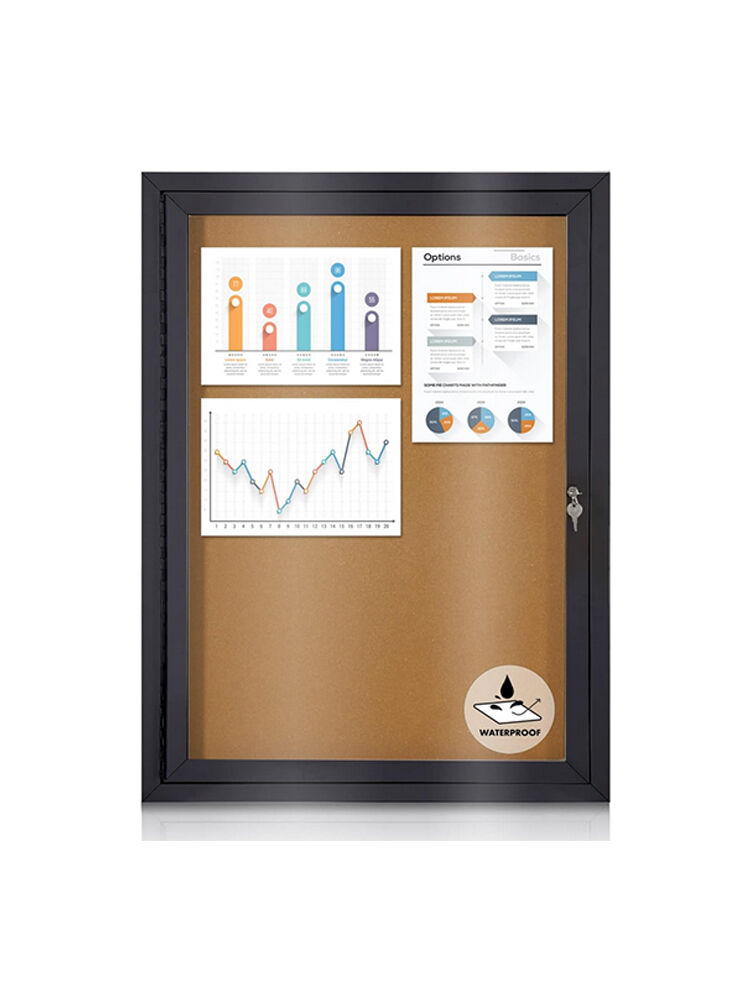
In today's fast-paced workplace environment, effective communication and collaboration remain fundamental pillars of organizational success. While digital solutions dominate modern offices, traditional communication tools like the bulletin board continue to play a vital role in fostering team connectivity and information sharing. These physical displays serve as centralized hubs where team members can access important updates, announcements, and collaborative content in real-time, creating a tangible focal point for workplace communication that digital alternatives sometimes struggle to replicate.
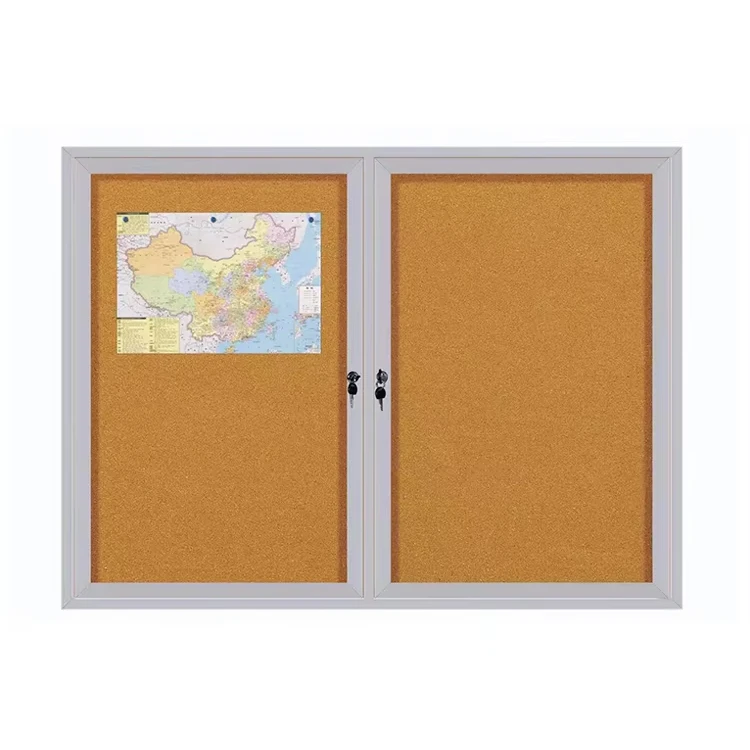
The strategic implementation of bulletin board systems within office environments has demonstrated measurable improvements in team awareness and engagement. Research indicates that visual communication tools enhance information retention rates by up to 65% compared to purely verbal or digital communications. Organizations that maintain well-organized bulletin board displays report higher levels of employee participation in company initiatives and improved awareness of procedural changes and policy updates.
Enhanced Visual Communication Through Strategic Display
Creating Impactful Visual Presentations
Visual communication through bulletin board displays transforms complex information into digestible, accessible formats that team members can quickly comprehend and act upon. The strategic use of color coding, graphics, and organized layouts helps prioritize information hierarchy, ensuring critical messages receive appropriate attention. Professional bulletin board management involves careful consideration of visual elements, including typography, spacing, and content organization, to maximize communication effectiveness and reader engagement.
Effective bulletin board design incorporates principles of visual hierarchy, utilizing contrasting colors and varied font sizes to guide reader attention toward priority content. This approach ensures that urgent announcements, safety information, and time-sensitive updates receive immediate visibility while supporting materials remain accessible without overwhelming the primary messages. The physical nature of bulletin board displays allows for tactile interaction, enabling team members to physically engage with posted materials through note-taking and direct reference during discussions.
Optimizing Content Organization and Layout
Strategic content organization on bulletin board surfaces requires systematic categorization of information types, creating dedicated zones for different communication purposes. Administrative updates, project timelines, recognition programs, and collaborative brainstorming materials each benefit from designated display areas that maintain visual clarity and functional accessibility. This organizational approach prevents information overload while ensuring all team members can efficiently locate relevant content during their daily workflows.
The implementation of standardized posting procedures and content rotation schedules maintains bulletin board relevance and prevents information stagnation. Regular content audits ensure outdated materials are promptly removed while new information receives appropriate placement and visibility. Team members benefit from consistent layout patterns that create predictable information landscapes, reducing the cognitive load required to process displayed content and improving overall communication efficiency.
Facilitating Real-Time Collaboration and Feedback
Interactive Communication Platforms
Modern bulletin board applications extend beyond static information display to create interactive communication platforms where team members actively participate in collaborative processes. Interactive elements such as feedback forms, suggestion boxes, and collaborative project tracking sheets transform traditional bulletin board displays into dynamic collaboration tools that encourage ongoing team engagement and contribution.
The tactile nature of bulletin board interactions facilitates spontaneous collaboration opportunities that digital platforms sometimes inhibit. Team members can physically annotate shared documents, add handwritten comments, and contribute to group brainstorming sessions through direct interaction with posted materials. This hands-on approach often generates more creative solutions and encourages participation from team members who may be less comfortable with digital collaboration tools or prefer kinesthetic learning approaches.
Building Community Through Shared Spaces
Bulletin board installations create physical gathering points that naturally encourage informal interactions and spontaneous discussions among team members. These spaces serve as neutral meeting grounds where hierarchical barriers diminish, allowing for more open communication between different organizational levels. The shared ownership of bulletin board content fosters a sense of collective responsibility and community investment in team communication processes.
Recognition programs displayed on bulletin board surfaces celebrate individual and team achievements, creating positive reinforcement cycles that boost morale and encourage continued collaboration. Employee spotlights, project success stories, and milestone celebrations become visible reminders of team accomplishments, inspiring ongoing engagement and performance excellence. This public acknowledgment system builds stronger interpersonal connections and reinforces collaborative behaviors throughout the organization.
Strategic Implementation for Maximum Impact
Location Selection and Accessibility Considerations
Optimal bulletin board placement requires careful analysis of traffic patterns, visibility angles, and accessibility requirements to ensure maximum exposure and utilization. High-traffic areas such as break rooms, main corridors, and team meeting spaces provide natural viewing opportunities that integrate bulletin board consultation into daily routines. Strategic positioning at eye level with adequate lighting ensures comfortable viewing conditions that encourage regular engagement with displayed content.
Accessibility considerations include ensuring bulletin board installations accommodate team members with varying physical abilities and visual requirements. Clear sightlines, appropriate mounting heights, and sufficient space for wheelchair accessibility create inclusive communication environments that serve all team members effectively. Multiple bulletin board locations may be necessary in larger facilities to ensure equitable access to important information across different work areas and departments.
Technology Integration and Hybrid Solutions
Contemporary bulletin board implementations often incorporate technology integration elements such as QR codes linking to digital resources, interactive displays, or mobile notification systems that bridge physical and digital communication channels. These hybrid approaches leverage the visual impact and accessibility of traditional bulletin board displays while connecting to expanded digital resources and real-time information updates.
Smart bulletin board systems may include features such as automatic content updates, digital scheduling integration, or remote content management capabilities that maintain information currency while preserving the visual accessibility advantages of physical displays. These technology-enhanced solutions provide flexibility for remote team members while maintaining the collaborative benefits of centralized physical communication hubs for on-site personnel.
Measuring Collaboration Improvement Outcomes
Establishing Performance Metrics
Quantifying the impact of bulletin board implementations on team collaboration requires establishing baseline metrics and tracking systems that measure both engagement levels and communication effectiveness. Key performance indicators may include information retention rates, policy compliance improvements, project timeline adherence, and voluntary participation in team initiatives promoted through bulletin board displays.
Regular surveys and feedback collection systems help organizations understand how bulletin board utilization affects team dynamics, information accessibility, and collaborative outcomes. These assessment tools provide valuable insights into content preferences, optimal posting frequencies, and design modifications that could enhance communication effectiveness and team engagement levels.
Long-term Organizational Benefits
Organizations that successfully implement comprehensive bulletin board communication systems often experience sustained improvements in overall communication culture, including increased transparency, reduced information silos, and enhanced cross-departmental collaboration. These long-term benefits compound over time as team members develop stronger communication habits and more effective information-sharing practices.
The investment in physical communication infrastructure demonstrates organizational commitment to inclusive communication practices and employee engagement, contributing to improved retention rates and workplace satisfaction. Teams that utilize bulletin board systems effectively often report stronger sense of community, better awareness of organizational goals, and increased participation in collaborative initiatives that drive business success.
FAQ
How often should bulletin board content be updated to maintain effectiveness
Optimal bulletin board content should be refreshed at least weekly, with critical information updated immediately as changes occur. Stale content reduces engagement and credibility, so establishing regular rotation schedules ensures information remains current and valuable. Time-sensitive materials should be prominently displayed and removed promptly after expiration to maintain board organization and relevance.
What size bulletin board works best for team collaboration in typical office environments
Standard bulletin board dimensions of 4x6 feet or 4x8 feet provide sufficient space for most team collaboration needs while remaining manageable for content organization and maintenance. Larger teams may benefit from multiple smaller boards strategically placed throughout work areas rather than single oversized installations that become difficult to navigate and maintain effectively.
Can bulletin boards effectively complement digital communication tools rather than replace them
Bulletin boards work most effectively as complementary communication tools that enhance rather than replace digital systems. They excel at providing persistent visual reminders, facilitating quick reference access, and creating collaborative focal points that digital tools cannot replicate. The combination of physical and digital communication channels addresses diverse learning styles and communication preferences within teams.
What security considerations apply to bulletin board content in professional environments
Professional bulletin board content should be carefully screened to ensure sensitive information remains protected while maintaining open communication benefits. Lockable bulletin board enclosures provide security for confidential materials while allowing controlled access to authorized personnel. Clear posting guidelines and approval processes help maintain professional standards and prevent inappropriate content display in workplace environments.
Table of Contents
- Enhanced Visual Communication Through Strategic Display
- Facilitating Real-Time Collaboration and Feedback
- Strategic Implementation for Maximum Impact
- Measuring Collaboration Improvement Outcomes
-
FAQ
- How often should bulletin board content be updated to maintain effectiveness
- What size bulletin board works best for team collaboration in typical office environments
- Can bulletin boards effectively complement digital communication tools rather than replace them
- What security considerations apply to bulletin board content in professional environments